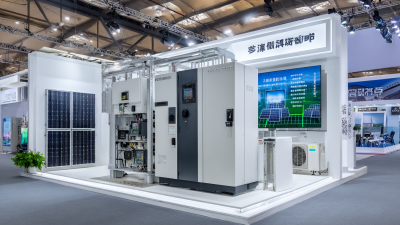
Understanding the Benefits of Grid Tie Inverters for Sustainable Energy Solutions
As the global shift towards sustainable energy solutions gains momentum, the role of
Grid Tie Inverters (GTIs) has become increasingly pivotal. According to a report by the
International Energy Agency, renewable energy sources contributed to nearly
30% of the global electricity generation in 2020, with this proportion expected to rise significantly in the coming years.
GTIs facilitate the seamless integration of renewable energy systems, such as solar photovoltaics, into existing electrical grids by allowing the excess energy generated to be fed back into the grid.
This not only enhances energy efficiency but also aids in stabilizing the grid, thereby promoting a more sustainable energy infrastructure. Industry experts note that the deployment of GTIs can help
reduce energy costs for consumers and decrease reliance on fossil fuels, further supporting global climate goals. As a critical component of modern energy systems,
understanding the benefits of Grid Tie Inverters is essential for individuals and businesses alike who aim to contribute to a greener future.
Types of Grid Tie Inverters: A Comprehensive Overview
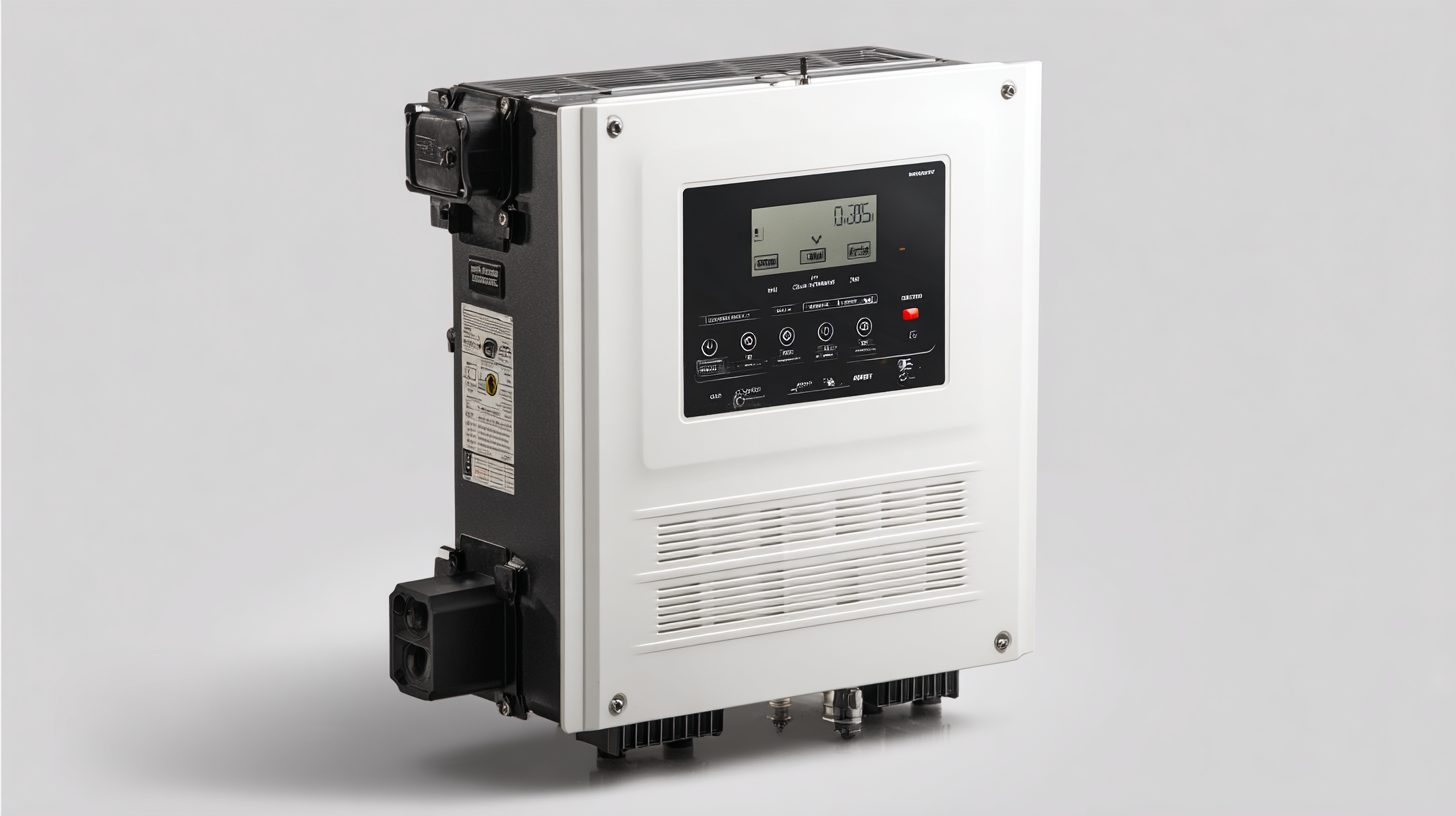
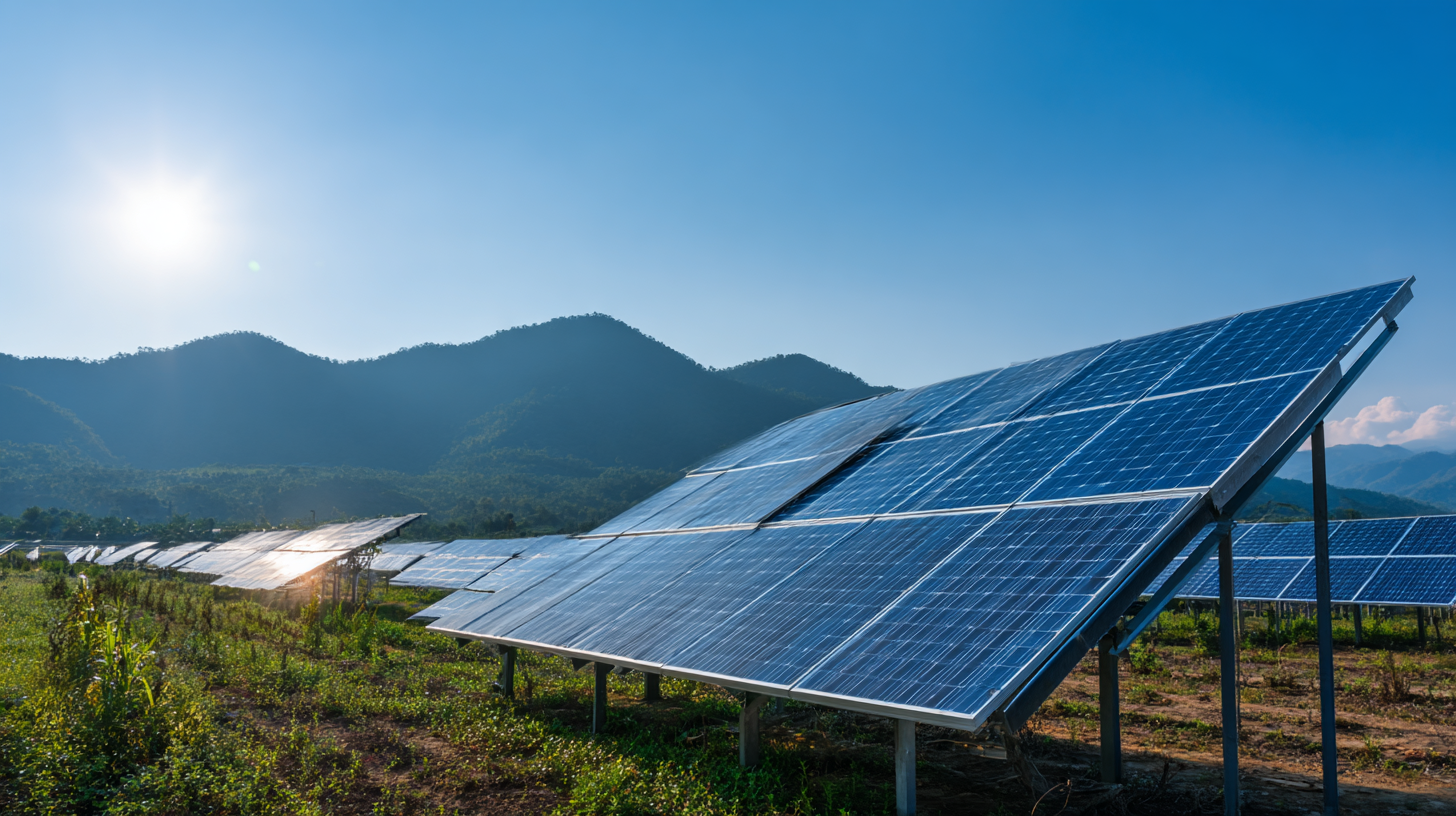
Grid tie inverters (GTIs) are essential components of renewable energy systems, particularly in solar power applications. They enable solar panels to convert direct current (DC) electricity into alternating current (AC), allowing the energy produced to be fed back into the electrical grid. There are several types of grid tie inverters, each with distinct features and benefits. The most common types include string inverters, microinverters, and power optimizers, each suited for different installation scenarios and energy demands.
String inverters are widely used in residential settings due to their cost-effectiveness and simplicity. According to the Solar Energy Industries Association (SEIA), approximately 70% of residential solar installations utilize string inverters. However, in situations where shading is an issue, microinverters may be more advantageous; they operate at the panel level, maximizing output even when some panels are obscured. Research indicates that systems using microinverters can yield approximately 10% more energy compared to those using string inverters. Power optimizers serve as a hybrid option, maximizing energy production while still operating under a string inverter system, making them a versatile choice for various installations, especially in larger commercial settings. Each type of grid tie inverter plays a pivotal role in optimizing renewable energy use and enhancing overall system efficiency.
Types of Grid Tie Inverters
This chart illustrates the efficiency and market share of different types of grid tie inverters: String Inverters, Microinverters, and Power Optimizers.
Key Features of Grid Tie Inverters for Efficient Energy Use
Grid tie inverters play a crucial role in enhancing the efficiency of renewable energy systems, particularly in solar photovoltaic (PV) installations. These inverters convert the direct current (DC) produced by solar panels into alternating current (AC), which can be used in homes and businesses or fed back into the grid. One of the key features of modern grid tie inverters is their ability to manage reactive power, which optimizes energy delivery and enhances grid stability. This capability is especially important as solar energy integration increases, helping to balance supply and demand in real-time.
Moreover, advanced grid tie inverters are equipped with smart technology that allows for monitoring and remote management of energy production. This feature not only provides users with insights into their energy consumption patterns but also supports predictive maintenance, reducing downtime and operational costs. As the global market for solar PV inverters is set to grow significantly, the adoption of these efficient energy solutions is expected to be a driving force in advancing sustainable energy use across various sectors. The integration of energy storage systems with grid tie inverters further enhances the reliability and resilience of the electricity supply, catering to the increasing demand for clean energy.
Advantages of Integrating Grid Tie Inverters in Sustainable Systems
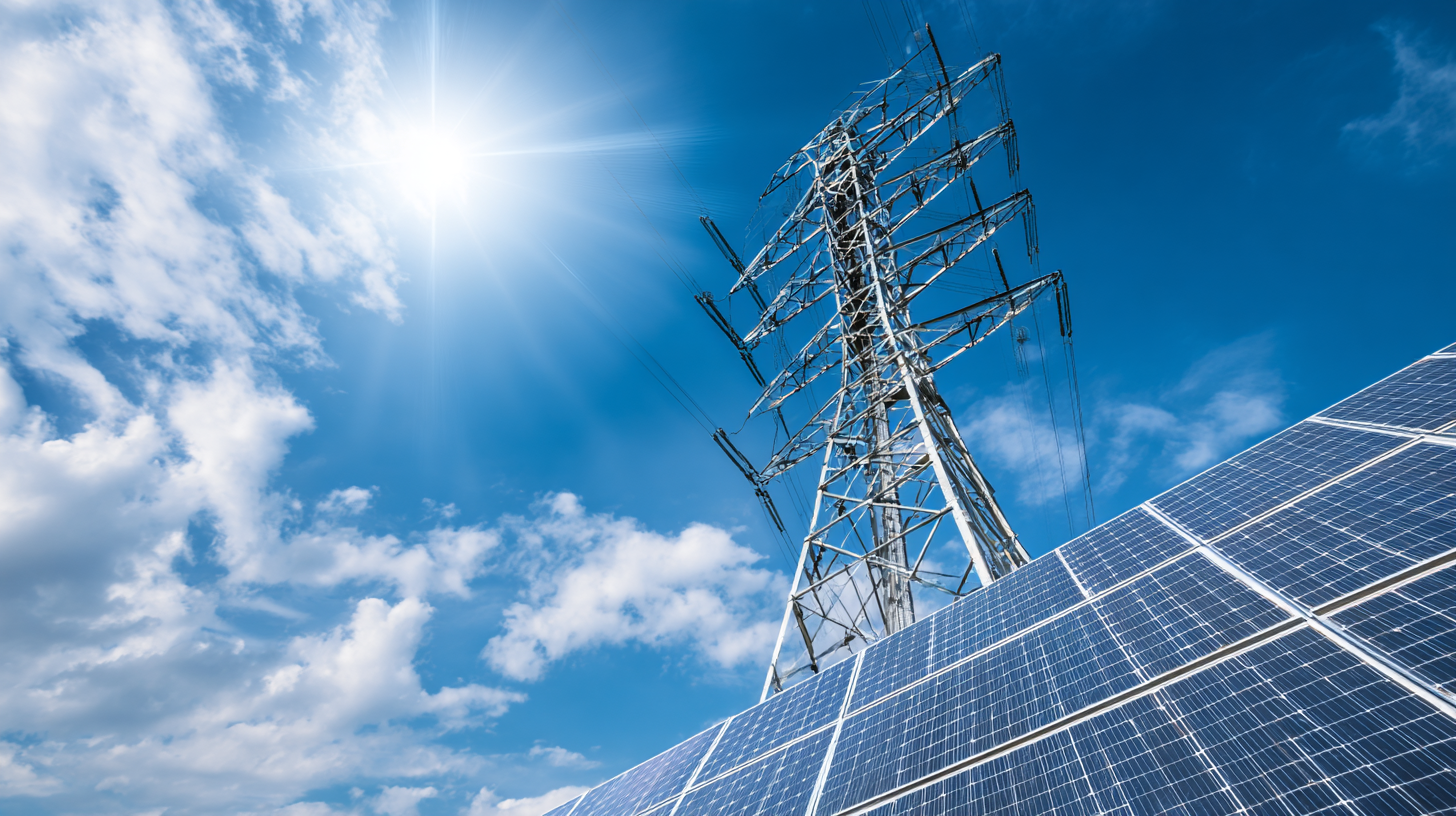
Grid tie inverters play a crucial role in modern sustainable energy systems by facilitating the effective integration of renewable energy sources, such as solar or wind power, into the existing electrical grid. One of the primary advantages of utilizing grid tie inverters is their ability to convert direct current (DC) generated by renewable resources into alternating current (AC), compatible with the electrical grid. This conversion not only allows for the efficient use of generated energy but also enhances grid stability by contributing to the overall energy supply.
Moreover, grid tie inverters enable users to engage in net metering, allowing them to receive credits for any surplus power they send back to the grid. This creates a financial incentive for homeowners and businesses to invest in solar or wind energy systems, fostering greater adoption of sustainable practices. The seamless integration of renewable energy also reduces reliance on fossil fuels, thus contributing to lower carbon emissions. By empowering users to harness and share renewable energy, grid tie inverters play a pivotal role in advancing sustainable energy solutions and creating a more resilient energy infrastructure.
Comparative Analysis of Grid Tie Inverters and Off-Grid Solutions
When comparing grid tie inverters and off-grid solutions, it's essential to recognize the fundamental differences in their operational frameworks and the benefits they provide. Grid tie inverters connect solar energy systems directly to the utility grid, allowing for the seamless export of excess electricity generated during peak sunlight hours. This not only helps homeowners offset their energy bills but also contributes to the stability of the grid. In areas where net metering is available, this system offers significant financial incentives, making it an attractive option for those looking to invest in renewable energy.
On the other hand, off-grid solutions provide greater energy independence, ideal for remote locations or for individuals preferring self-sustainability. These systems rely on battery storage to manage energy production and consumption, ensuring that power is available even when sunlight is limited. However, the initial setup costs can be higher, and ongoing maintenance of the batteries is necessary. While off-grid systems offer autonomy, the grid tie inverter system often proves more efficient economically due to lower upfront costs and the ability to utilize the existing power grid. Each option has distinct advantages, ultimately depending on the user's energy needs and long-term sustainability goals.
Future Trends in Grid Tie Inverter Technology and Applications
The advancement of grid tie inverter technology is poised to play a crucial role in optimizing sustainable energy solutions. As renewable energy sources like solar and wind continue to gain traction, the evolution of grid tie inverters is becoming increasingly significant. Future innovations may focus on enhancing efficiency, improving system integration, and enabling better performance in variable weather conditions. Technologies such as smart inverters with advanced communication capabilities are expected to become mainstream, allowing for real-time monitoring and management of energy production and consumption.
Moreover, as the energy market moves towards decentralization, grid tie inverters will play a pivotal role in facilitating energy trading among consumers and producers. The integration of artificial intelligence and machine learning will enhance the ability of these inverters to predict energy trends, optimize energy usage, and reduce operational costs. As regulatory frameworks evolve to support this shift, the potential for widespread adoption of smart grid technologies will increase, further promoting the use of grid tie inverters in diverse applications—from residential setups to large-scale commercial solar farms.