What is the Best Backup Inverter for Your Needs?
Choosing the right Backup Inverter can be a daunting task, especially with the market's many options. According to a recent industry report by Energy Solutions, over 60% of consumers are unaware of the critical features that impact performance. This lack of knowledge can lead to poor decisions that might not meet their energy backup needs. Expert Dr. Emily Carter, a renowned power systems engineer, stated, "Understanding your specific power requirements is essential for selecting an effective Backup Inverter."
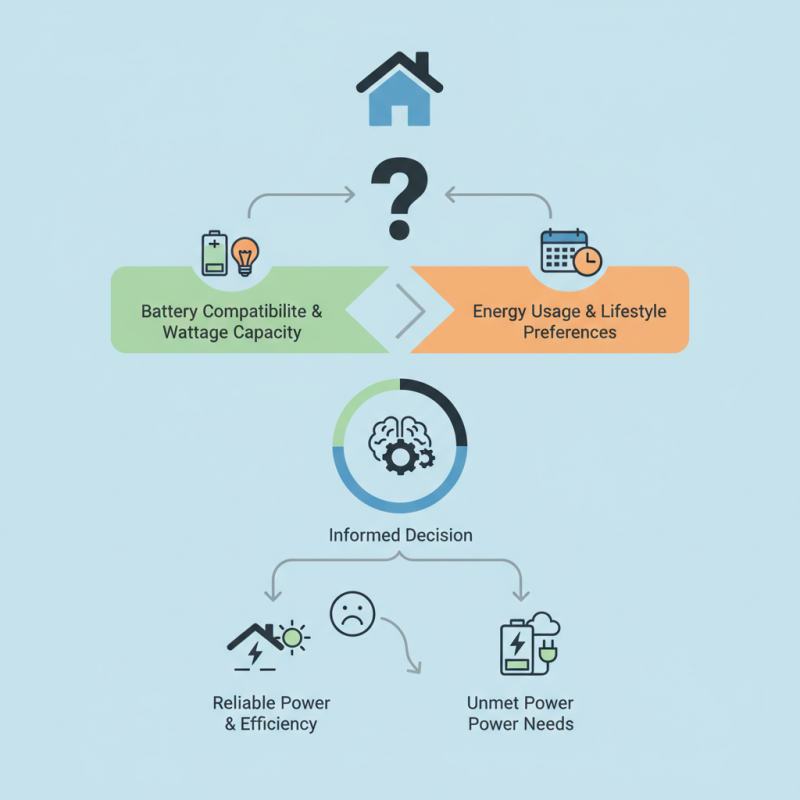
The importance of investing in a reliable Backup Inverter is evident. A quality inverter not only ensures uninterrupted power during outages but also enhances the efficiency of your energy consumption. In 2023, the global Backup Inverter market is expected to grow by 15%, highlighting a rising demand for quality solutions. However, many homeowners overlook the nuances, such as battery compatibility and wattage capacity, which can result in unmet power needs.
It’s crucial to reflect on what type of Backup Inverter aligns with your lifestyle. Evaluate your energy usage and preferences carefully. With various options available, getting informed can make a significant difference. Ignoring this step might lead to regret when the power goes out, and your chosen inverter can't deliver.
What is a Backup Inverter and How Does It Function?
A backup inverter is a crucial device for converting stored energy into usable power. It works by taking the direct current (DC) from batteries and converting it into alternating current (AC). This makes it possible to power your home or essential appliances during outages. According to industry reports, around 20% of households use backup power solutions, highlighting a growing necessity for reliable energy.
When selecting a backup inverter, consider the power output you need. Many models can handle anywhere from 1,000 to 5,000 watts. The right size should depend on your power requirements during an outage. It’s vital to calculate the wattage of the devices you want to keep running. You wouldn’t want to run critical appliances only to find your system barely coping.
Tips: Always check inverter efficiency ratings. Higher efficiency means less energy waste. You might also want to think about battery compatibility. Not all batteries work with every inverter model. This oversight could lead to frustrating performance issues. Remember, the installation process also matters. Improper setups can cause system failures. Pay attention to details in every step of the process.
Key Factors to Consider When Selecting a Backup Inverter
When selecting a backup inverter, several key factors should guide your decision.
First, consider the power capacity. This determines how many devices you can run simultaneously.
If you plan to power essential appliances, calculate the total wattage required.
A higher wattage inverter is advisable for more extensive setups.
Next, look at the inverter type.
Pure sine wave inverters provide clean energy, suitable for sensitive electronics.
If you only need to power basic appliances, modified sine wave models could suffice.
Additionally, the inverter’s battery compatibility matters.
Compatibility ensures efficient energy use and longevity of both the inverter and batteries.
Lastly, think about the inverter's efficiency rating. An inverter that converts DC to AC efficiently will save you from energy wastage.
Many models boast high ratings, but they may vary under different loads.
It’s essential to conduct real-world tests when possible.
A backup inverter is a significant investment, and every detail counts.
Comparative Analysis of Popular Backup Inverter Brands and Models
When selecting a backup inverter, understanding your specific needs is crucial. Different models cater to varying power capacities, efficiency ratings, and features. For instance, some inverters offer pure sine wave output, ideal for sensitive electronics. Others may fit a budget but lack advanced features. Research and comparison are key to finding the right match for your requirements.
Tips: Evaluate your energy consumption. Calculate the wattage of devices you intend to power. This will help in choosing the inverter with the right capacity. Additionally, consider the inverter's efficiency. Higher efficiency results in less energy loss during conversion.
When analyzing brands, pay attention to customer reviews for real-world performance insights. Some products may seem appealing on paper, but user feedback can provide a clearer picture of reliability. Look for warranties or guarantees that ensure product longevity. Such aspects indicate a manufacturer’s confidence in their product.
Ultimately, the goal is to secure a dependable power supply during outages. Take your time in comparing features and prices. Reflect on what you truly need versus what is merely a desire for extra features.
Industry Statistics on Backup Inverter Reliability and Efficiency
When considering backup inverters,
reliability and efficiency are crucial. According to a recent industry report,
over 80% of users prioritize inverter reliability, especially during outages.
Approximately 75% of failures occur due to overheating or poor design.
Efficient inverters can reduce energy losses by up to 15%, making them a worthwhile investment for long-term savings.
Tip: Always check the inverter's cooling system to ensure it meets your needs.
A good design can prevent overheating and prolong the unit's lifespan.
Efficiency ratings are essential.
The Department of Energy suggests that inverters should have a minimum efficiency rating of
90%. Inverters with higher ratings tend to perform better, even under load.
Many users overlook this aspect, potentially costing them more in electricity bills over time.
Tip: Compare the efficiency ratings of different models before purchasing.
A small difference can lead to significant savings. Keep in mind that
frequent power outages might mean you need a model with a higher surge capacity.
Cost-Benefit Analysis of Backup Inverters for Home and Business Use
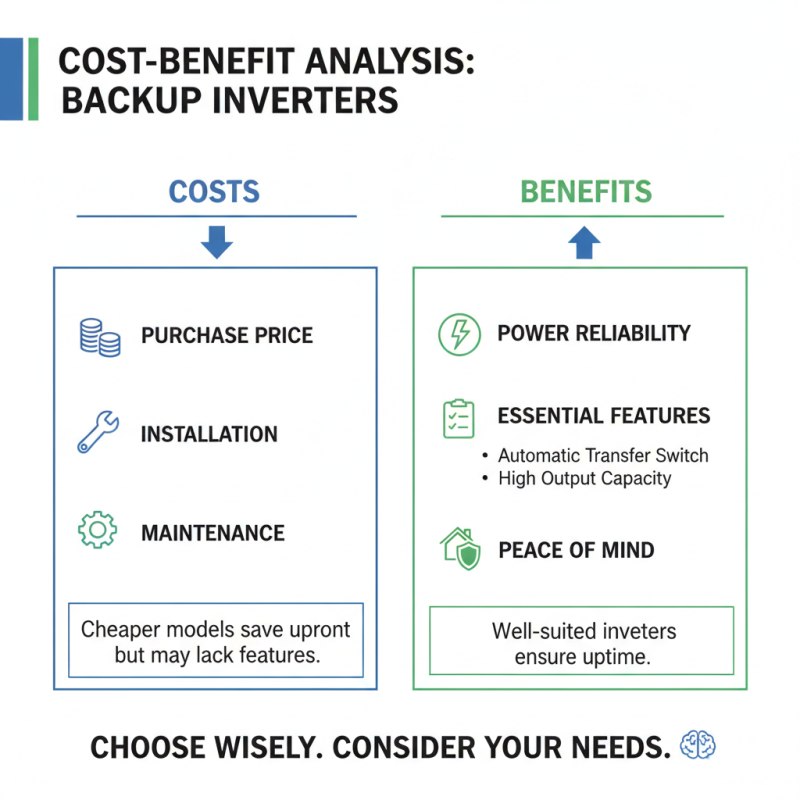
When choosing a backup inverter, it's vital to conduct a thorough cost-benefit analysis. These devices can vary significantly in price and functionality. A cheaper inverter might save money upfront. However, it may lack essential features like automatic transfer switches or high output capacity. Consider your electricity needs carefully. A well-suited inverter can ensure power reliability, especially during outages.
For businesses, the stakes are higher. A power outage can lead to lost revenue and productivity. Investing in a higher-end inverter may seem costly initially. Yet, the potential losses from downtime could surpass the initial investment. Additionally, energy savings from more efficient models can provide ongoing financial benefits. Examine factors like efficiency ratings and warranty options.
Homeowners should also reflect on their specific needs. A family may prioritize features like portability and quiet operation. Balancing these preferences with budget constraints is crucial. Reading user reviews can provide insights into performance and reliability. Ultimately, selecting the right backup inverter requires careful consideration of both immediate costs and long-term value.