Best Grid Tie Inverter Options for Global Buyers?
In the quest for renewable energy, choosing the right Grid Tie Inverter is crucial. This device connects solar panels to the grid, allowing energy storage and usage. With multiple options available, it can be overwhelming for global buyers to select the best fit.
An effective Grid Tie Inverter not only maximizes energy efficiency but also impacts overall system performance. It’s vital to consider brands with proven reliability and positive reviews. Some models may promise high efficiency but fall short in real-world applications. This inconsistency can lead to frustration and wasted resources.
Sustainability rests on making informed decisions. Thus, understanding inverter specifications and user experiences is essential. This approach helps identify not only effective solutions but potentially less rigorous options as well. Acquiring the best Grid Tie Inverter involves a balance—it’s an ongoing learning process.
Overview of Grid Tie Inverters and Their Functionality
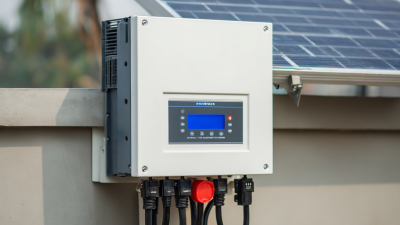
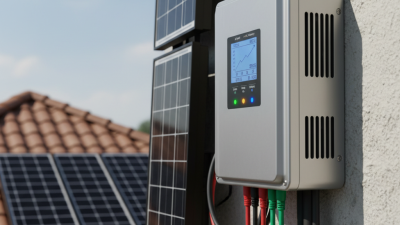
Grid tie inverters are crucial for solar energy systems. They convert direct current (DC) from solar panels into alternating current (AC) for use in homes or to send back to the grid. This functionality allows homeowners to generate their own power while reducing their reliance on traditional energy sources. By synchronizing the energy produced by solar panels with the grid, these inverters help maximize efficiency.
Understanding the operational aspects of grid tie inverters is key. They usually have advanced features such as maximum power point tracking (MPPT). This helps optimize energy capture throughout the day. However, issues can arise. For instance, inverters may underperform in shaded conditions or extreme temperatures. Monitoring systems can assist in identifying such problems early. Without proper insights, users might miss vital issues affecting energy production.
Choosing the right grid tie inverter requires careful consideration. Buyers should look into efficiency ratings and compatibility with their solar systems. Installation complexity can vary between models. Some might require professional setup, while others allow for DIY installation. Assessing these factors ensures that users find a solution that fits their needs and skill levels. In a rapidly evolving market, continuous learning and adaptation are essential for informed decision-making.
Best Grid Tie Inverter Options for Global Buyers
Key Features to Look for in Grid Tie Inverters
When selecting a grid tie inverter, certain key features can greatly influence performance and efficiency. One major aspect is the inverter's conversion efficiency. A high-quality inverter should have a conversion efficiency above 95%. This ensures that most of the solar energy generated is utilized. According to recent industry reports, inverters with efficiencies around 98% are becoming increasingly available, but they often come at a higher cost.
Another important feature is monitoring capabilities. Real-time monitoring allows users to track energy production and system performance. Many modern inverters offer mobile app integration, enhancing user experience. However, not all brands provide reliable data tracking. Research from energy analysts shows that users prefer inverters with easy-to-use monitoring solutions. This feedback emphasizes the need for intuitive interfaces and clear data presentation.
Durability and warranty are also critical. It's advisable to look for inverters that come with at least a five-year warranty. This can indicate the manufacturer’s confidence in their product. Some inverters claim to operate efficiently in extreme weather conditions. Yet, not all can withstand harsh climates. An inverter should be tested for resilience, especially if it will be installed in challenging environments.
Top Brands and Models of Grid Tie Inverters for Global Buyers
The global market for grid tie inverters is rapidly evolving. In 2022, the global inverter market was valued at approximately $10 billion and is projected to grow at a CAGR of 12% from 2023 to 2030. This growth signals an increasing interest in renewable energy solutions among global buyers.
Prominent features to look for in grid tie inverters include efficiency ratings, power output, and the ability to integrate with smart home technologies. Efficiency ratings above 95% are preferable for optimal performance. Buyers should pay attention to models that provide real-time monitoring. This feature helps in maintaining optimal energy production.
Tips: When selecting an inverter, consider its warranty and service support. A reliable warranty can save buyers long-term costs. It's essential to compare customer reviews and feedback on performance under various conditions. Some users report challenges with certain models at low temperatures, which warrants further investigation. Always stay informed on the latest industry trends to make well-rounded purchasing decisions.
Cost Comparison and Budget Considerations for Inverter Selection
When selecting a grid tie inverter, cost is a key consideration for global buyers. The price range can vary significantly based on features and technology. Basic models typically start at a reasonable price, while advanced options can be quite costly. These costs can rise based on efficiency ratings and compatibility with solar panels. Some might prioritize price, only to find themselves dealing with higher maintenance costs later.
Budget constraints often lead buyers to make compromises. A lower-priced inverter may not deliver the same performance or longevity as a mid-range unit. It's crucial to assess the trade-offs. Buyers should also factor in installation fees and potential upgrades. These additional costs can escalate the total investment. Many buyers overlook these hidden expenses in their initial calculations.
Ultimately, balancing initial costs with long-term performance is essential. Each buyer's situation varies. What works for one person might not suit another's needs. Careful research and precise budget planning are required to avoid regrets. Understanding total ownership costs can help in making a wiser, informed decision.
Best Grid Tie Inverter Options for Global Buyers
| Inverter Type |
Power Rating (kW) |
Efficiency (%) |
Price Range (USD) |
Warranty (Years) |
| String Inverter |
5 |
97.5 |
800 - 1200 |
5 |
| Micro Inverter |
0.3 |
95.0 |
150 - 300 |
20 |
| Hybrid Inverter |
3 |
98.0 |
1400 - 1800 |
10 |
| Central Inverter |
100 |
99.0 |
50000 - 70000 |
5 |
| Power Optimizer |
2 |
96.5 |
300 - 500 |
20 |
Installation and Maintenance Tips for Optimal Performance
When it comes to grid tie inverters, installation and maintenance play vital roles in their performance. Studies indicate that improper installation can reduce efficiency by up to 30%. A well-planned installation should consider factors like shading and orientation. For optimal energy conversion, ensure your inverter faces true south in the Northern Hemisphere.
Regular maintenance is essential for longevity. Dust accumulation can hinder performance. Checking connections and keeping components clean can help. As per industry reports, a clean inverter can enhance performance up to 10%. During inspections, look for signs of wear or rust. Addressing these issues early can prevent costly repairs later.
Here are some quick tips:
- Ensure adequate ventilation around the inverter. This helps maintain an optimal temperature.
- Schedule annual maintenance checks to stay ahead of potential problems.
- Lastly, familiarize yourself with monitoring systems. Data analytics can reveal performance trends and alert you to issues before they escalate.