What is a Breaker Switch and How Does it Work?
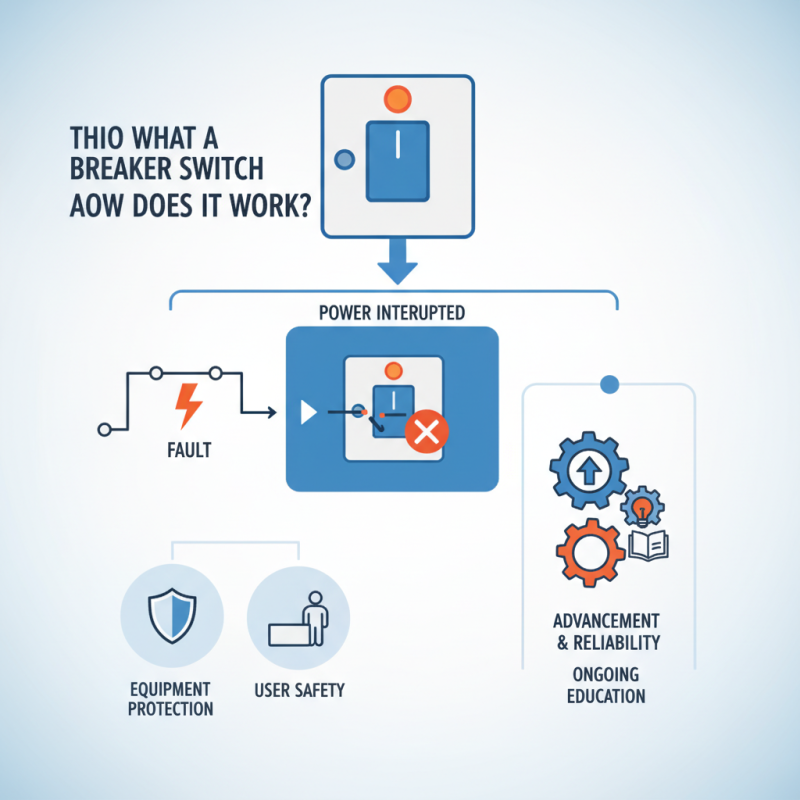
A Breaker Switch plays a vital role in electrical systems. It protects circuits by interrupting power when faults arise. Jesse McCall, an industry expert, emphasizes this tool's importance by stating, "A Breaker Switch is the first line of defense against electrical hazards."
Understanding how a Breaker Switch works helps users appreciate its significance. When a fault occurs, the switch quickly cuts off the electrical flow. This action prevents potential damage to equipment and reduces risk for users. However, not all installations are perfect. Faulty or outdated Breaker Switches may fail in emergencies.
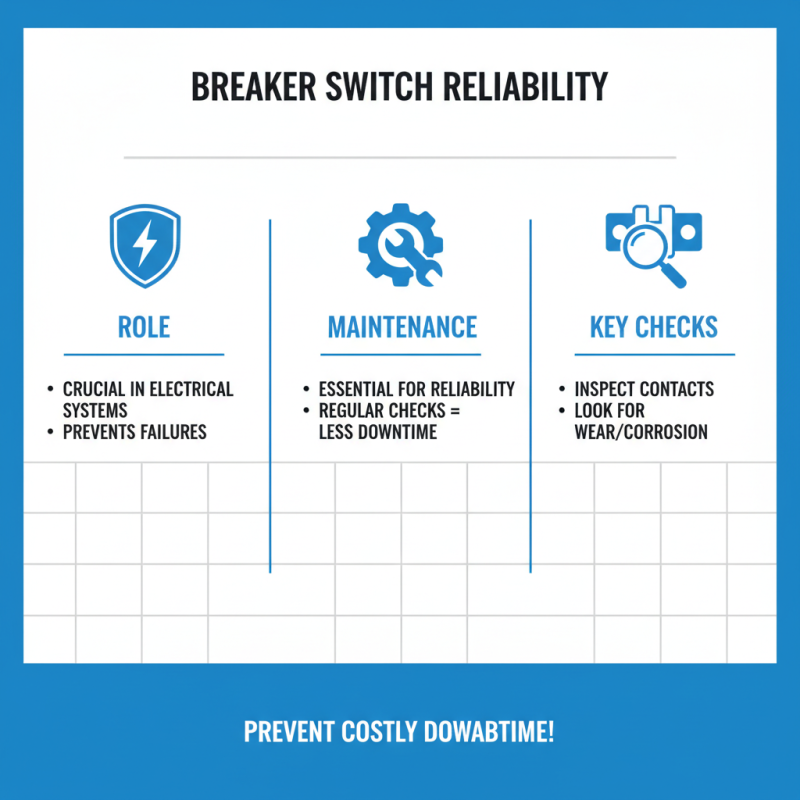
Awareness of the Breaker Switch’s capabilities fosters safer environments. Regular maintenance is essential. Systems that rely on outdated technology are more vulnerable. While advancements have improved reliability, choosing the right breaker for specific needs can still be challenging. Users must engage in ongoing education to stay informed about these safety devices.
What Is a Breaker Switch: Definition and Purpose Explained
A breaker switch, commonly found in electrical systems, serves a crucial safety role. It is designed to interrupt the electrical circuit when it detects fault conditions. This automatic shutdown helps prevent electrical fires and damage to equipment. According to the National Fire Protection Association, electrical faults are responsible for approximately 51,000 home fires each year. This statistic underscores the importance of reliable breaker switches in residential and commercial properties.
The primary function of a breaker switch is to protect electrical circuits. They can be reset after tripping, unlike fuses which need replacement. This characteristic enhances convenience for users. In recent years, reported incidents show that more than 30% of electrical failures come from outdated or improperly maintained systems. Regular inspections and updates to breaker switches could significantly reduce this risk. However, many still neglect this aspect. It's a missed opportunity to improve home safety and energy efficiency.
While breaker switches are essential, their effectiveness can diminish over time. Wear and tear may lead to malfunctions. In fact, the Electrical Safety Foundation International indicates that regular maintenance can increase performance and lifespan by up to 30%. Often, individuals overlook these maintenance needs until a failure occurs. Awareness of the importance of working breaker switches is crucial. Proactive management might prevent tragedies and ensure a safe electrical environment for everyone.
Breaker Switch Usage Statistics
This chart illustrates the number of breaker switches used across different categories such as residential, commercial, industrial, and utility. The data indicates varying levels of usage, reflecting the essential role of breaker switches in electrical systems.
The Mechanism of a Breaker Switch: How It Operates in Electrical Circuits
A breaker switch is essential in electrical circuits. It protects systems from overloads and faults. Understanding its mechanism helps users ensure safety and efficiency. When the load exceeds a preset limit, the breaker activates, interrupting the current flow. This action prevents damage to electrical appliances. The International Electrotechnical Commission states that properly functioning breaker switches can reduce electrical risks by up to 70%.
Inside a breaker, there are mechanical components that respond to current changes. These parts can be thermal or magnetic. For example, thermal breakers rely on heat to break the circuit. Magnetic breakers, however, react quickly to sudden surges. According to a report by the National Fire Protection Association, faulty breakers contributed to 20% of residential electrical fires. Regular testing can identify any issues early on.
While modern breaker switches are reliable, they are not foolproof. Aging components can lead to failures. Users often neglect regular maintenance, assuming everything works fine. This complacency can create hazards. For optimal performance, it's crucial to inspect and test breakers regularly. Many experts recommend annual reviews to avoid potential electrical disasters. Recognizing these nuances can significantly enhance safety in any electrical setup.
Types of Breaker Switches: A Comprehensive Overview of Industry Standards
Breaker switches are essential components in electrical systems. They come in various types, each designed to meet specific industry standards. Understanding these types can help ensure safety and efficiency in electrical installations. Common types include miniature circuit breakers (MCBs), molded case circuit breakers (MCCBs), and residual current devices (RCDs). Each type protects against different faults, thus minimizing risks.
MCBs are simple and reliable. They trip during overloads and short circuits. Their compact design makes them suitable for residential applications. MCCBs, on the other hand, handle larger currents. They are adjustable and can be reset manually. RCDs offer protection against earth faults, preventing electric shocks. Their operation is crucial in wet areas.
Selecting the right breaker switch is vital. Some may favor MCBs for their ease of use. Others might consider MCCBs for their robustness. It's important to reflect on specific needs. This choice impacts safety and functionality. Consideration of the installation environment is significant. Each type serves a unique function. Knowing the differences can prevent potential hazards.
Safety Features of Breaker Switches: Protecting Electrical Systems Efficiently
Breaker switches play a crucial role in protecting electrical systems. They detect overloads and short circuits. When a problem occurs, these switches cut off the power supply. This action prevents potential electrical fires or equipment damage. According to a report from the Electrical Safety Foundation International, over 51,000 home fires are caused by electrical failures each year. Breaker switches help mitigate these risks effectively.
Safety features are built into these switches. Many are designed to trip within milliseconds of detecting an issue. This rapid response is essential. In 2020, the National Fire Protection Association highlighted that circuit breakers significantly lowered the risk of fire in homes. However, not all systems are updated. Some older homes may still use outdated fuses, which lack the same level of protection. This can create vulnerabilities that need addressing.
Regular maintenance is important for effectiveness. Users often underestimate the significance of checking breaker switches. Visual inspections or professional assessments can help identify issues. Neglecting this aspect can lead to serious consequences. Data suggests that 25% of electrical-related injuries are due to faulty systems. Ensuring that breaker switches function properly can save lives and property. Understanding these features is key for safety.
What is a Breaker Switch and How Does it Work? - Safety Features of Breaker Switches: Protecting Electrical Systems Efficiently
| Feature |
Description |
Function |
Benefits |
| Overcurrent Protection |
Cuts off the electrical flow when the current exceeds a predetermined level. |
Prevents overheating and potential fires. |
Increased safety for electrical installations. |
| Ground Fault Protection |
Detects ground faults where electricity escapes the intended circuit. |
Disconnects power to prevent electric shock. |
Enhanced protection for users in wet or damp conditions. |
| Arc Fault Protection |
Identifies dangerous arcing conditions that may cause fires. |
Interrupts power to avoid potential fire hazards. |
Improved safety in residential and commercial settings. |
| Manual Reset |
Requires a physical action to restore the circuit after a trip. |
Ensures that users are aware of circuit issues before restoring power. |
Prevents unintentional reconnection during hazardous conditions. |
| Compact Design |
Small size allows for easy integration into electrical panels. |
Saves space and enhances overall layout of electrical systems. |
Flexibility in design and installation options. |