How to Choose the Best Grid Tie Inverter for Your Solar System?
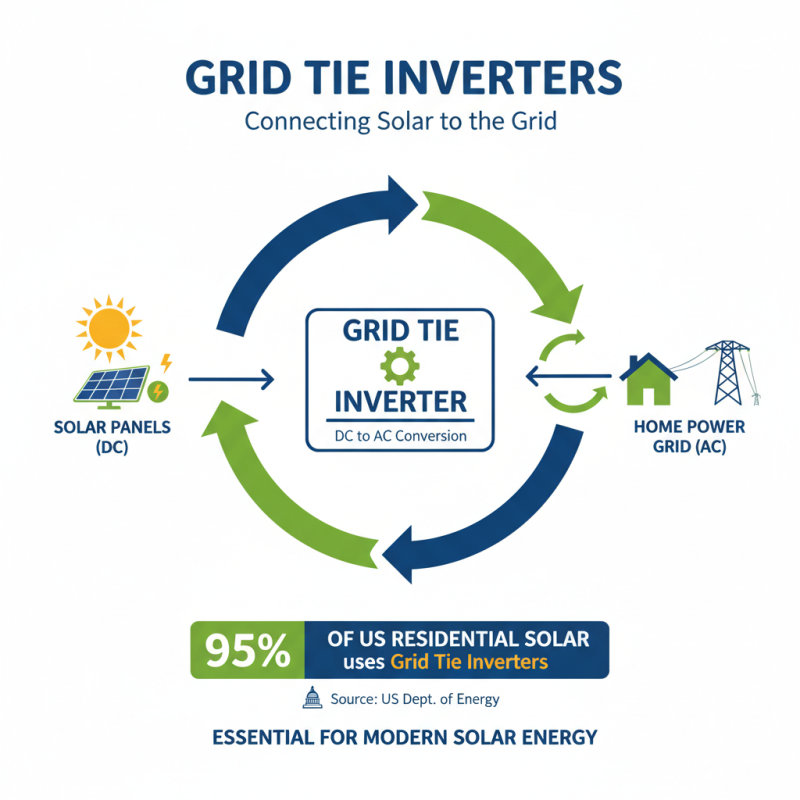
Choosing the right Grid Tie Inverter is crucial for optimizing your solar system's efficiency. Expert engineer John Smith emphasizes, "The inverter is the heart of any solar installation." A reliable grid tie inverter helps convert the direct current (DC) from solar panels into usable alternating current (AC). This process enables your home to use solar energy effectively.
The range of grid tie inverters available today can be overwhelming. Factors such as power rating, efficiency, and warranty determine what suits your needs best. It’s not just about picking the first option. Mistakes in selection can lead to poor performance and wasted money. A well-chosen inverter can mean the difference between a thriving solar system and frustrating inefficiencies.
Many buyers overlook detailed specifications and customer reviews. Each installation site poses unique challenges, and an ill-suited inverter may falter. Important aspects like grid compatibility and monitoring options should not be neglected. It’s wise to reflect on the long-term implications of your choice. Investing time now can save effort and expense down the road.
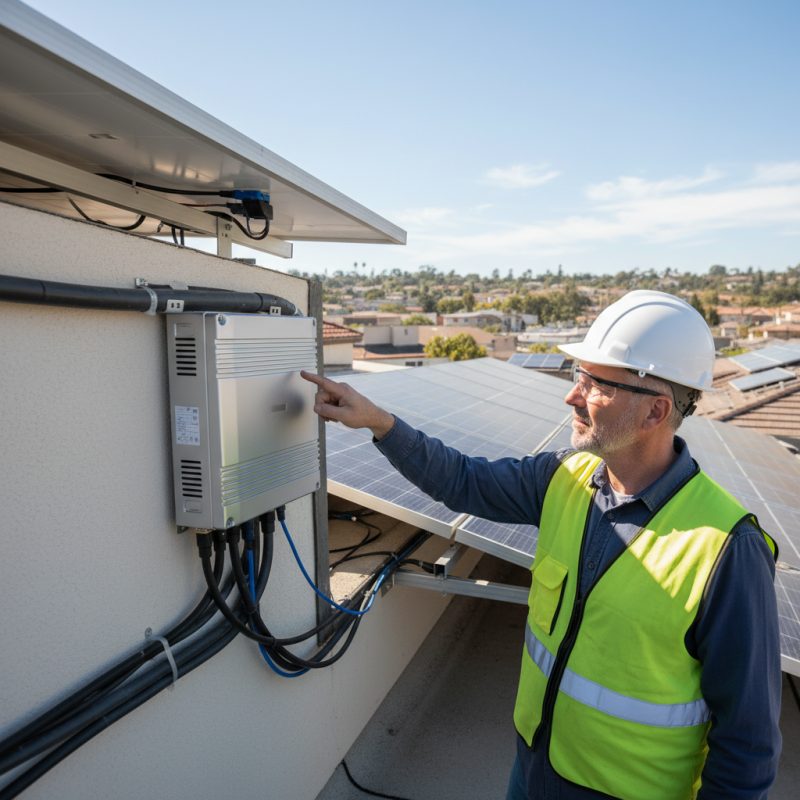
Understanding the Basics of Grid Tie Inverters for Solar Systems
Grid tie inverters are essential for connecting solar systems to the utility grid. They convert direct current (DC) from solar panels to alternating current (AC) for household use. According to the U.S. Department of Energy, about 95% of residential solar installations use grid tie inverters. This shows their critical role in modern solar energy systems.
When selecting a grid tie inverter, consider its efficiency ratings. A study by NREL indicates that inverters with over 95% efficiency yield better energy production. Look for options that handle varying input voltages well. Some inverters struggle with fluctuating sunlight. This can lead to lower output on cloudy days.
Also, pay attention to safety features. Inverters should include built-in anti-islanding protection. This prevents power from feeding back into the grid during outages. Not all models offer this feature, so careful research is needed. Test results from various labs show inconsistencies in performance and reliability. Some units fail to meet performance standards over time. Make sure you read third-party reviews and real-world experiences before purchasing.
Key Factors to Consider When Choosing a Grid Tie Inverter
Choosing the right grid tie inverter is crucial for your solar system. Start by considering the inverter's efficiency. This metric shows how much solar power it can convert to usable energy. Higher efficiency means more power for your home. Aim for inverters with at least 95% efficiency. This can make a noticeable difference in energy production.
Next, think about the inverter’s capacity. Match it to your solar panel output. An under-sized inverter won’t utilize all the energy produced. Over-sizing can lead to wasted investment. Check your average energy needs. Then, identify how much solar power you'll generate.
Don’t overlook the features. Some inverters offer monitoring options that keep track of energy production. This can help identify problems early. Other inverters may offer more robust safety features. Think about your local regulations, too. Compliance can be complex and might require adjustments. Balancing all these factors can be challenging. Don’t rush this decision; it’s important to get it right.
Evaluating Efficiency and Performance Ratings of Inverters
When evaluating grid tie inverters for solar systems, efficiency is a key metric. The efficiency rating indicates how well an inverter converts sunlight into usable energy. Reports show that high-performing inverters can achieve efficiencies up to 98%. However, some models fail to reach 90% efficiency under real-world conditions. This means product selection is crucial.
Performance ratings also play an important role. They encompass factors like temperature resilience and load management. A notable statistic reveals that inverters with a high temperature coefficient can experience up to a 10% decrease in output as temperatures rise above 25°C. Homeowners should consider the average temperature of their location. Not all inverters handle heat equally well, and poor choices can lead to significant energy losses.
Reliability is another aspect to examine. While most inverters come with warranties ranging from 5 to 25 years, some may not perform as promised. Regular maintenance and monitoring are necessary for long-term efficiency. Owners often overlook these aspects, leading to potential underperformance. Remember, the best inverter is one that not only meets high efficiency ratings but also suits specific solar installation needs.
Assessing Compatibility with Your Solar Panels and Battery Storage
When choosing a grid tie inverter, compatibility with solar panels and battery storage is crucial. Ensure the inverter’s voltage matches your solar panel setup. Mismatched voltages can lead to inefficiency. Check the inverter’s power rating too. It should support the total output of your solar panels. If the inverter is underpowered, it may not handle peak production.
Consider the energy storage system as well. If you plan to include battery storage, the inverter needs to support this feature. Some inverters have built-in functionality for batteries. Others require additional components. It is important to weigh these options. They can add complexity to your system.
Finally, evaluate the communication capabilities. Monitoring energy production and consumption affects performance. Poor communication may lead to unoptimized energy use. This aspect is often overlooked but essential. A system that doesn’t communicate well can leave you guessing about energy efficiency. Make sure to research thoroughly and choose wisely.
Reviewing Warranty and Support Options for Your Inverter Choice
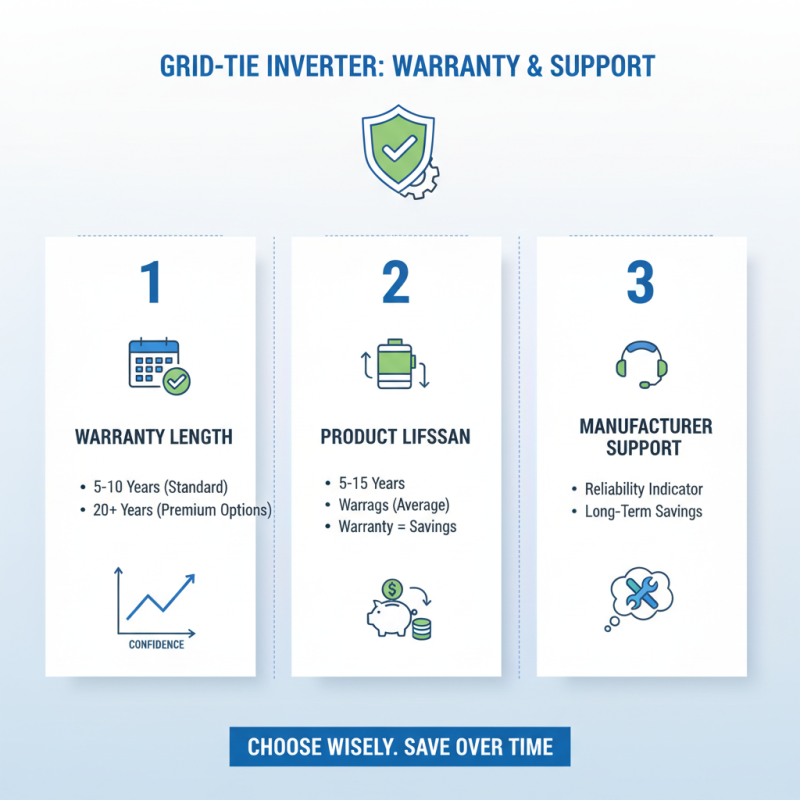
When selecting a grid tie inverter, warranty and support options can significantly impact your decision. A robust warranty often indicates the manufacturer's confidence in their product. Most inverters offer warranties between 5 to 10 years. Some high-quality options even provide 20-year warranties. The average lifespan of an inverter ranges from 5 to 15 years. Therefore, an extensive warranty can yield considerable savings over time.
Support options are equally important. Check if the manufacturer provides technical assistance. A recent survey shows that 45% of users faced installation issues. Responsive customer service can ease these challenges. Online resources, like tutorials and FAQs, can also be beneficial. However, not all manufacturers provide comprehensive documentation. A lack of support may leave users feeling frustrated and stuck. Choose wisely to ensure a smooth solar experience.