2025 How to Choose the Best Single Socket Switch for Your Home
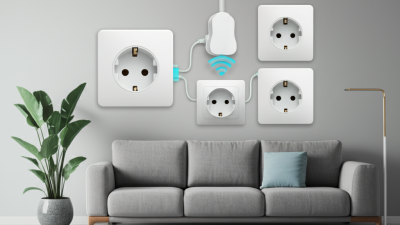
In the modern home, the choice of electrical fixtures plays a crucial role not just in aesthetics but also in functionality and safety. Among the various components that contribute to a home's electrical system, the Single Socket Switch stands out as an essential element for managing power distribution effectively. As households evolve and demands on electrical systems increase, selecting the right single socket switch becomes a vital task for homeowners seeking convenience, energy efficiency, and safety.
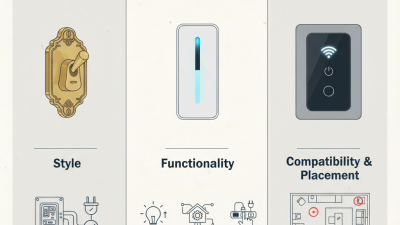
When considering a Single Socket Switch, several factors must be taken into account, including design, compatibility with existing wiring, and the level of safety features it offers. With the vast array of options available in the market, understanding these factors can help homeowners make informed decisions. This guide aims to simplify the process of choosing the best Single Socket Switch for your home, highlighting key considerations that ensure you pick the most suitable option to meet your needs. Whether you are renovating or simply upgrading your electrical fixtures, making the right choice can significantly enhance your living space's practicality and safety.

Understanding Single Socket Switches and Their Functions
Single socket switches are essential components of electrical wiring, allowing users to control the power supply to an individual appliance. Understanding these switches involves recognizing their basic functions, which include turning the electricity on and off to devices, ensuring safety, and providing convenience in daily usage. They come in various designs, including toggle switches and rocker switches, each offering unique operational experiences. The choice of a switch can affect not only the aesthetics of your home but also energy efficiency and compatibility with multiple devices.
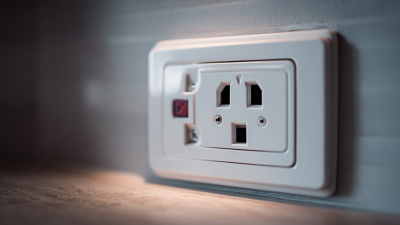
When selecting a single socket switch, it’s vital to consider factors such as the voltage and amperage ratings, ensuring they meet the requirements of the devices you plan to use. Another key aspect is the installation process, which can vary depending on the type and design of the switch. A well-chosen switch will not only enhance the functionality of your home but also contribute to overall safety by using quality materials and adhering to safety standards. Additionally, features such as child safety shutters or weatherproof designs can be advantageous, especially in homes with children or in outdoor settings.
Identifying Your Home's Electrical Needs and Layout
When selecting the best single socket switch for your home, the first step is to assess your electrical needs and layout. A report from the National Electrical Contractors Association indicates that households typically use an average of 15 to 20 electrical outlets per room. Depending on the size and function of your space, you might require additional switches to accommodate appliances, devices, and ambient lighting. Understanding your specific needs is key to ensuring safety and functionality.
One important consideration is the placement of the switches. According to the Electrical Safety Foundation International, improper switch placement can lead to accidents or create inconvenience. For instance, switches should be accessible and placed near entry points to rooms or spaces where light is needed most. Additionally, assessing the layout of your electrical wiring will help you determine whether you need a simple single-pole switch or a more complex solution such as a three-way switch.
Tips: Try conducting a thorough audit of all devices in your home that will require power. Mark where you would ideally like switches located during routine activities—this will help visualize your layout better. Furthermore, ensure that any switch you choose meets the appropriate electrical codes and standards, as this will significantly enhance the safety and reliability of the installation.
2025 How to Choose the Best Single Socket Switch for Your Home
| Feature |
Description |
Importance |
| Material |
Choose durable materials like polycarbonate or metal for longevity. |
High |
| Amp Rating |
Consider the amp rating to match your home appliances. |
Critical |
| Design |
Select a design that complements your home decor. |
Moderate |
| Safety Features |
Look for features like overload protection and child safety locks. |
High |
| Compatibility |
Ensure the switch is compatible with your existing wiring. |
Essential |
| Price Range |
Consider your budget while ensuring quality. |
Moderate |
Evaluating Safety Features for Single Socket Switches
When selecting a single socket switch for your home, prioritizing safety features is paramount. A well-designed switch should have mechanisms to prevent electrical hazards such as short circuits and overloads. Look for switches that come equipped with built-in circuit breakers, which can automatically disconnect the power in the event of an overload, thereby protecting both the appliance and the user. Moreover, opt for switches with heat-resistant casings to ensure they can withstand high temperatures without deforming or posing fire risks.
Another critical safety feature to consider is the presence of child-proof mechanisms. If you have young children at home, selecting switches that are equipped with shutters can significantly reduce the risk of accidental electric shocks. These shutters only open when a plug is inserted into the socket, providing an additional layer of protection. It's also wise to choose switches that meet international safety standards, indicated by certification marks, as this ensures they have undergone stringent testing for quality and safety. By focusing on these essential safety features, you can make a more informed choice for your home's electrical needs.
Comparing Material and Design Options for Durability
When selecting a single socket switch for your home, the choice of materials and design plays a critical role in ensuring durability and functionality. Common materials for switches include plastic, metal, and composite substances. Each material offers unique advantages: plastic is lightweight and resistant to corrosion, while metal provides a robust structure that can withstand more wear and tear, making it suitable for high-traffic areas. Additionally, composite materials combine the benefits of both, offering a modern aesthetic while maintaining strength.
Design also significantly impacts the switch's longevity. A well-designed switch not only accommodates user convenience but also minimizes the risk of malfunction. Look for designs that include weatherproof features for outdoor settings or those with dust and moisture resistance for kitchen and bathroom applications. Ergonomically designed switches enhance usability and can prevent accidental damage due to frequent use. Selecting a switch that balances both material sturdiness and thoughtful design can vastly improve both its performance and lifespan in your home.
Tips for Installation and Maintenance of Single Socket Switches
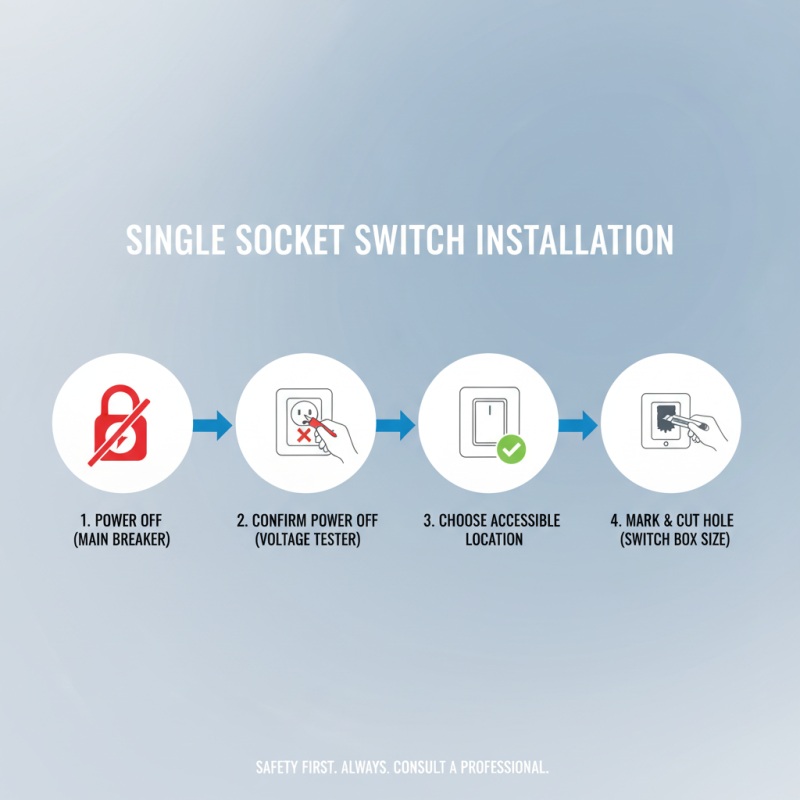
When installing a single socket switch, ensuring safety and functionality is paramount. Start by ensuring that the power supply is turned off at the main circuit breaker to prevent any electrical accidents. Use a voltage tester to confirm that the power is indeed off before beginning the installation process. Choose a suitable location for the switch, ideally where it is easily accessible. Mark the position on the wall where the switch will be installed and cut a hole large enough for the switch box to fit securely.
During the installation, connect the wires carefully according to the manufacturer's instructions, typically involving a live wire, a neutral wire, and an earth wire. Ensure all connections are tight and secure to prevent loose connections that could lead to arcing or short circuits. After the switch is installed, it is vital to test it before closing up the wall. Once installed, regular maintenance is essential. Periodically check for any signs of wear or damage, such as discoloration or cracking of the switch cover. Clean the switch gently with a dry cloth to maintain its appearance and functionality, and always consult a qualified electrician if you experience any issues with the switch performance.