How to Choose the Best Wifi Smart Switch at Canton Fair 2026?
At the 2026 Canton Fair, choosing the best Wifi Smart Switch is crucial. Each year, the fair draws professionals eager to explore innovative technologies. This event provides an excellent platform for industry experts to showcase their products. “Selecting the right smart switch can transform any space,” says John Smith, a renowned expert in smart home technology.
The fair spans different sectors in April and May. With advanced manufacturing and electronics highlighted, buyers will find an array of Wifi Smart Switch options. AI-driven features will help streamline the selection process. Shoppers can filter suppliers with relevant certifications, such as ISO and CE, enhancing their purchasing confidence.
However, navigating this vast space can be daunting. Despite technological advancements, the sheer volume of choices can overwhelm even experienced buyers. Finding the perfect Wifi Smart Switch shouldn't be rushed. Each decision must be well-considered, reflecting quality and compatibility with existing systems. Engaging with knowledgeable vendors can aid in making informed choices.

Understanding Wifi Smart Switch Types Available at Canton Fair 2026
When exploring the Wifi smart switch options at Canton Fair 2026, it's crucial to understand the various types available. The market has seen significant growth. According to a recent industry report, the global smart switch market is expected to reach $2.1 billion by 2025, driven by increased smart home adoption. Your choice will ultimately depend on functionality and compatibility.
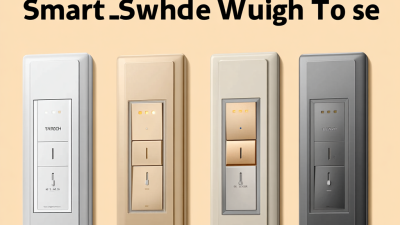
Different types of Wifi smart switches include single-pole, three-way, and dimmer switches. Single-pole switches control one light fixture. Three-way switches allow control from multiple locations. Dimmer switches offer adjustable lighting levels for ambiance and energy saving. It’s important to visualize how each type fits your home.
Tips: Consider your home's wiring before making a selection. Compatibility with existing systems is vital. Some switches may require a neutral wire, which could limit choices. Be prepared to encounter options that lack this feature. Testing features in a real-life scenario is wise—some may not perform as expected in your setting. Keep an eye on customer reviews, as feedback can reveal potential drawbacks.
Wifi Smart Switch Types Available at Canton Fair 2026
Evaluating Features and Specifications of Wifi Smart Switches
When attending the Canton Fair 2026, evaluating the features and specifications of WiFi smart switches is paramount. Recent industry reports indicate that the global smart switch market is expected to reach $10 billion by 2027, driven by consumer demand for energy efficiency and remote accessibility. Features like energy monitoring can help users track power consumption in real-time, assisting in reducing unnecessary waste.
Consider connectivity options. Many models support both WiFi and Zigbee, allowing versatility in smart home integration. It's confusing when products market themselves with vague compatibility claims. Always verify the specifications. A report from a trusted market analysis firm suggests that 30% of consumers face issues with connectivity, often due to improper device pairing or weak signals.
User interfaces also deserve scrutiny. Some smart switches come with overly complicated apps, leading to frustrating experiences. Reading user reviews reveals that a straightforward setup process is critical. With more than 40% of users abandoning smart devices due to app difficulty, robust yet intuitive design should be a priority. Features like voice control can add convenience but aren't always seamless. Evaluating these aspects carefully can make a significant difference in your smart home experience.
Assessing Compatibility with Smart Home Ecosystems
When assessing compatibility with smart home ecosystems, it is crucial to understand the standards governing these devices. Research indicates that nearly 70% of consumers prefer devices that integrate seamlessly with their existing smart home setups. This preference arises from the desire for convenience and ease of use. One study found that up to 50% of users reported frustration with products that failed to work well together. Therefore, careful consideration is necessary when selecting a Wi-Fi smart switch.
Compatibility factors include protocols like Zigbee, Z-Wave, and Wi-Fi. These protocols determine how well devices communicate. A report by Statista highlights that 31% of smart home users have multiple platforms in their homes. This fragmentation can lead to interoperability issues. Users might invest in a switch that does not connect with their preferred hub. This is a common pitfall.
Additionally, when examining user reviews, many mention limited compatibility as a primary drawback. In some cases, a product marketed as "smart" lacks integration features. Such oversights can hinder user experience. It’s essential to look for devices that boast broad compatibility claims. Focus on options that provide integration with various ecosystems. This approach minimizes potential frustrations in the long run.
Making Informed Purchase Decisions at Canton Fair 2026
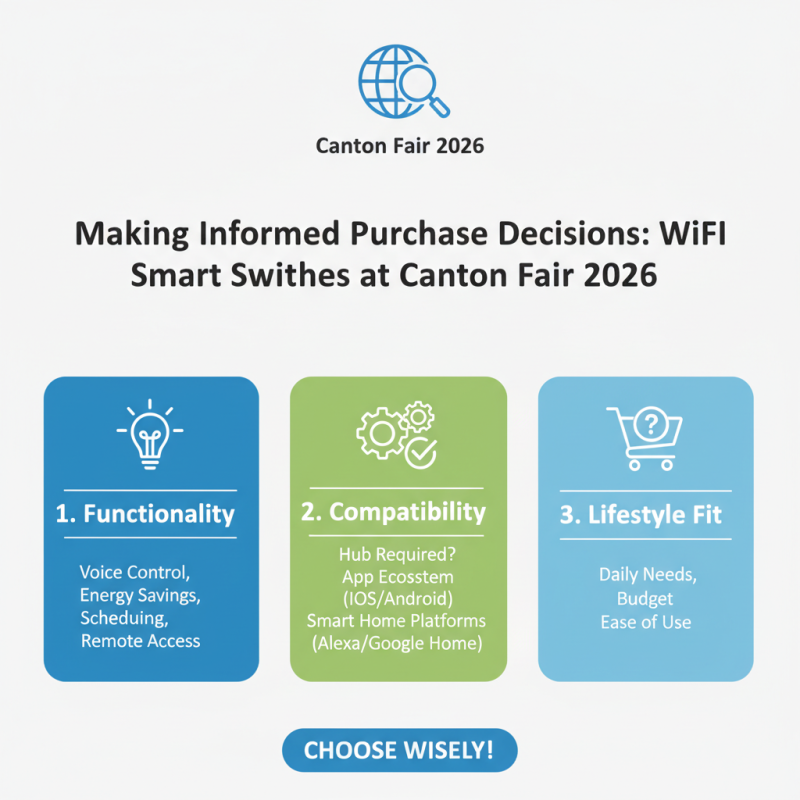
Choosing the right WiFi smart switch at Canton Fair 2026 can be daunting. With so many options available, making informed decisions is crucial. You need to consider functionality and compatibility. Each switch can have different features. Some may offer voice control, while others may focus on energy savings. Understand what fits your lifestyle best.
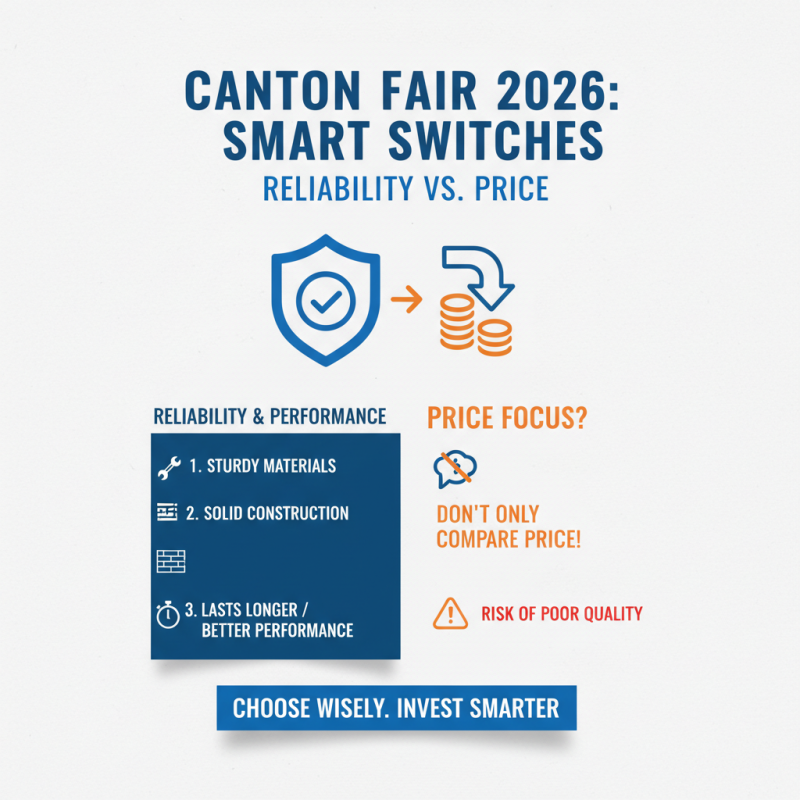
Tips: Before you buy, test the product. If possible, ask for a demo at the booth. This can reveal how user-friendly the device is. Evaluate the build quality closely. A sturdy design often indicates better longevity. Don't rush your decision; it's essential to take your time.
Consider your home's current setup. Check your WiFi strength in areas where you plan to use the switch. If your connection is weak, the device may not work effectively. Be conscious of whether the switch integrates well with other smart devices in your home. Mismatched systems can waste your time and money. Reflect on past purchases that didn't meet your expectations. Learn from those experiences to make better choices this year.