Why Choose an Mppt Inverter for Your Solar Energy Needs?
In recent years, the demand for renewable energy solutions has surged. Solar energy, in particular, has become a leading choice for homeowners and businesses. The efficiency of solar energy systems largely depends on the inverter used. Among various options, the MPPT inverter stands out as the top choice for optimizing energy output.
According to a report by the International Renewable Energy Agency (IRENA), MPPT inverters can increase a solar system's efficiency by up to 30%. This substantial gain highlights their importance in maximizing energy harvest. Renowned expert Dr. Emily Chen, a specialist in solar technology, notes, "MPPT inverters adapt to changing conditions, ensuring peak performance." This adaptability makes them essential for anyone relying on solar power.
While many consumers embrace MPPT technology, some misconceptions persist. Many believe that higher costs mean better efficiency, but not all expensive inverters are MPPT. It's crucial to conduct thorough research. Understanding the advantages of MPPT inverters can lead to significant savings. Choosing the right inverter can profoundly impact overall energy generation and efficiency, fueling growth in the solar energy market.

Understanding MPPT Inverters and Their Functionality
Understanding MPPT inverters is crucial for optimizing solar energy systems. MPPT stands for Maximum Power Point Tracking. This technology allows inverters to adjust their operations to extract the maximum power output from solar panels. By closely monitoring changes in sunlight conditions, MPPT inverters ensure that the system operates at peak efficiency.
Tips: Regularly check your system’s performance. Ensure that the inverter is functioning as intended. If you notice inconsistencies, it may be time to consult a professional.
MPPT inverters use algorithms to optimize power extraction. They analyze real-time voltage and current data to find the perfect point for maximum energy production. This feature is more effective than standard inverters, especially in variable weather conditions. Additionally, many modern MPPT inverters feature advanced connectivity options to monitor energy production remotely.
Tips: Consider installing monitoring software. This can provide insights into energy generation and help in troubleshooting issues early. Regular maintenance can also enhance inverter longevity and performance.
Key Advantages of Using MPPT Inverters for Solar Systems
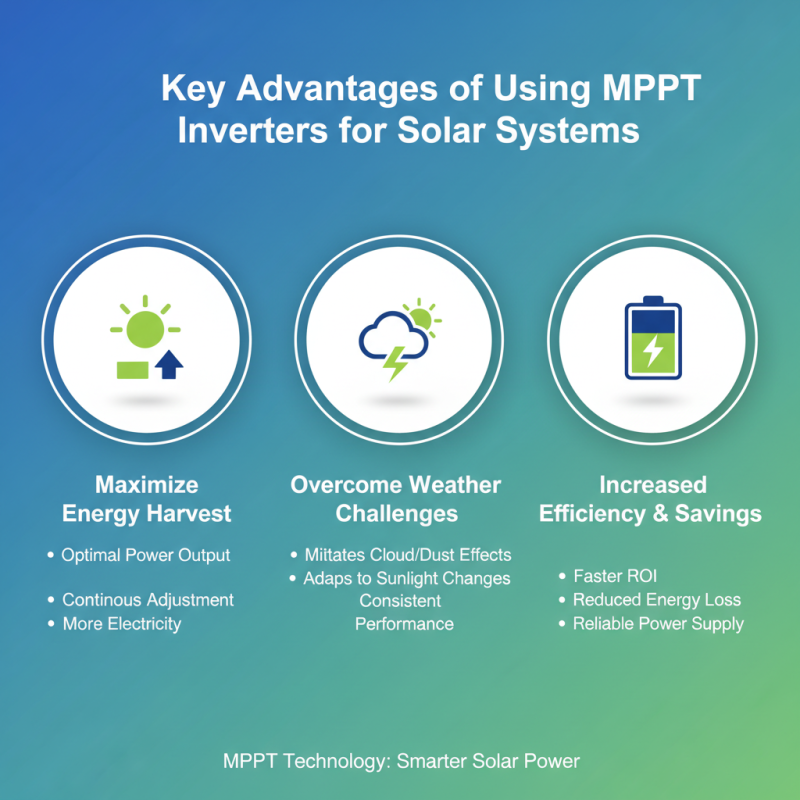
When considering solar energy systems, MPPT inverters stand out for several key advantages. These inverters maximize energy harvest from solar panels. By continuously adjusting the electrical operating point, they ensure optimal power output. This is crucial in varying weather conditions. Clouds, dust, and changes in sunlight can decrease efficiency, yet MPPT technology mitigates these issues.
Another advantage is improved energy efficiency. MPPT inverters can increase energy capture by up to 30% compared to traditional inverters. They track the maximum power point, adjusting in real-time as conditions change. This adaptability leads to more consistent energy production. In addition, they allow for greater system versatility, accommodating different panel configurations. This flexibility can be beneficial during system upgrades or expansions.
Maintenance is also a consideration. While MPPT inverters generally require minimal upkeep, performance can decline over time. Regular checks are necessary to ensure they function properly. Users should be aware of potential errors and learn how to troubleshoot them. Understanding the technology can lead to better long-term performance and satisfaction. Investing time in learning about MPPT inverters pays off in efficiency and reliability.
Efficiency Comparisons: MPPT Inverters vs. Traditional Inverters
When evaluating solar inverters, MPPT (Maximum Power Point Tracking) inverters stand out due to their efficiency. Traditional inverters often operate at a fixed voltage, resulting in energy losses during peak sunlight hours. MPPT inverters, conversely, adjust their input to harness maximum solar output. This feature translates to a significant boost in energy harvest, especially as environmental conditions change.
Consider a scenario in which solar panels are slightly shaded or experience temperature fluctuations. Traditional inverters might falter; their energy output could drop dramatically. However, MPPT inverters can optimize energy capture continually. They adapt in real-time, tracking the ideal power point. In many cases, this translates to a 20-30% improvement in energy efficiency.
Despite their advantages, MPPT inverters are more complex and can be costlier. This complexity sometimes leads to challenges in installation and maintenance. While they yield better performance, the initial investment and potential for technical issues require careful thought. Ultimately, the choice between inverter types hinges on specific solar energy needs and goals. Balancing efficiency with cost considerations is vital.
Selecting the Right MPPT Inverter for Your Energy Requirements
When selecting an MPPT inverter, understanding your energy requirements is crucial. MPPT stands for Maximum Power Point Tracking. This technology optimizes the energy output from solar panels by adjusting the electrical operating point. Reportedly, systems utilizing MPPT can increase energy harvest by up to 30% compared to traditional inverters. With the right inverter, the improvement in efficiency can significantly reduce energy costs over time.
Choosing the right MPPT inverter involves considering your photovoltaic setup and energy consumption patterns. A study from the National Renewable Energy Laboratory highlights that mismatching inverter capacity with solar panel output can lead to losses, sometimes up to 15%. You should assess the size of your solar array and your anticipated energy use. A system that does not align can result in inefficient performance.
Additionally, evaluating features such as voltage range and load compatibility is essential. Many inverters may not support all solar panel configurations. An inverter with a narrow voltage range cannot adapt to varying sunlight conditions. Recognizing these factors early could prevent costly mistakes. It's critical to consult with professionals in the field, leveraging their insights to make an informed choice tailored to your specific needs.
MPPT Inverter Efficiency Comparison
This chart illustrates the efficiency of various MPPT inverters in different conditions. The data represents the efficiency percentages measured under optimal sunlight and varying temperature conditions. Higher efficiency means better usage of solar energy.
Common Misconceptions About MPPT Inverters in Solar Applications
Many people believe that MPPT inverters are too complex for basic solar setups. This misconception often leads potential users to overlook their benefits. MPPT, or Maximum Power Point Tracking, optimizes energy production. It adjusts to varying sunlight conditions, ensuring you get the most out of your solar panels.
Another common myth is that MPPT inverters are only for larger systems. This is simply not true. Even small installations can benefit significantly. Users often see higher efficiency rates, leading to better energy output. Many hesitate due to perceived costs. However, the increased energy capture can offset initial expenses over time.
Some might argue that simpler inverters are sufficient. While this can be true in ideal conditions, real-world scenarios often vary. Shadows, dirt, and temperature changes affect solar performance. An MPPT inverter adapts continuously, providing more reliable energy production. Understanding these factors is crucial for making informed decisions.
Why Choose an Mppt Inverter for Your Solar Energy Needs? - Common Misconceptions About MPPT Inverters in Solar Applications
| Dimension |
Value |
| Max Input Voltage |
150 V |
| Max Output Power |
5000 W |
| Efficiency Rate |
97% |
| MPPT Range |
100 V - 400 V |
| Typical Dimensions |
600 x 350 x 150 mm |
| Cooling Method |
Active Cooling |
| Weight |
20 kg |
| Warranty Period |
5 Years |