How to Choose the Right Photovoltaic Inverter for Your Solar System?
Choosing the right photovoltaic inverter is crucial for the efficiency of your solar system. According to Dr. Emily Carter, a leading expert in renewable energy, “The inverter is the heart of a solar system.” This highlights the importance of selecting the right technology. A suitable photovoltaic inverter ensures optimum performance and longevity of your solar setup.
When selecting a photovoltaic inverter, consider several factors. First, analyze the capacity of your solar panels. The inverter must match or exceed this capacity to function effectively. Additionally, evaluate features like efficiency ratings and warranty options. These details can greatly impact your overall investment in solar energy.
Remember, not all inverters are created equal. Some may lack critical features or durability. This could lead to costly upgrades later. Take the time to research and consult professionals, ensuring your choice aligns with your energy needs and expectations. Your solar investment deserves careful attention.
Understanding the Role of Photovoltaic Inverters in Solar Systems
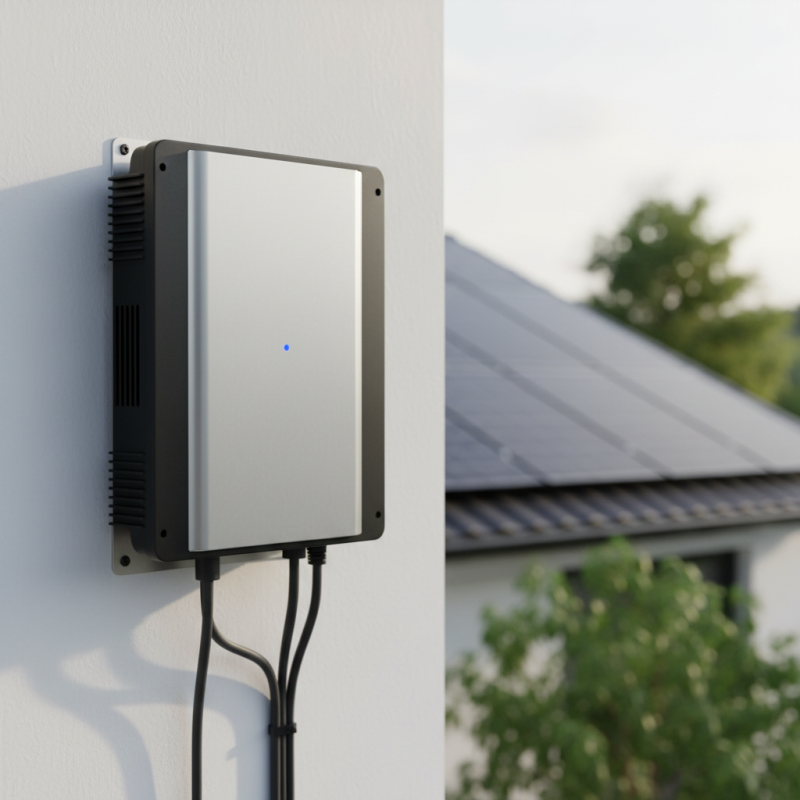
Photovoltaic inverters play a crucial role in solar power systems. They convert direct current (DC) from solar panels into alternating current (AC), which is used in homes and businesses. This conversion is essential, as most appliances require AC to operate. A well-chosen inverter ensures that solar energy is used efficiently, increasing overall system performance.
When selecting a photovoltaic inverter, consider its efficiency rating. An inverter with a higher efficiency rating reduces energy losses during conversion. Look for features like maximum power point tracking (MPPT). This technology optimizes energy harvest from solar panels, especially during cloudy days or when panels are partially shaded.
Installation requirements matter too. Some inverters need more extensive configurations than others. This can affect installation costs and time. Understand the warranty and support offered by manufacturers. Not all inverters come with the same level of reliability. Researching and comparing options ensures that you choose an inverter that meets your specific needs. Investing time in this research can yield better long-term benefits for your solar system.
Types of Photovoltaic Inverters: A Comprehensive Overview
When selecting a photovoltaic inverter for your solar system, understanding the types available is crucial. There are three main categories: string inverters, microinverters, and power optimizers. Each has unique benefits and drawbacks, making them suitable for different setups. String inverters are commonly used in residential systems. They are cost-effective and easy to install. However, they can be less efficient if shading occurs on any panel in the string.
Microinverters, on the other hand, operate individually for each solar panel. This feature enhances efficiency, especially in shaded areas. They tend to be pricier but can offer better energy production. Power optimizers combine some benefits of both systems. They improve performance from each panel, while still connecting to a string inverter. Yet, this setup may lead to higher initial costs, which requires careful consideration.
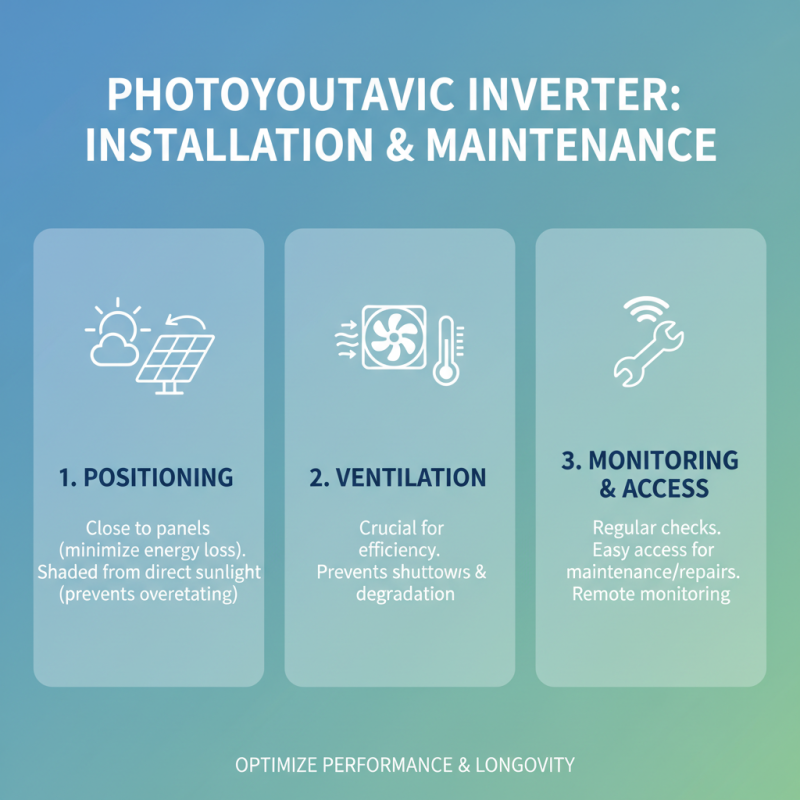
Installation and maintenance play significant roles too. Inverters may require replacement every 5 to 10 years. Ensure you factor in these long-term costs. Researching reliable brands and reading reviews can help. It’s essential to choose an inverter that fits your specific needs and budget. Many find they need to reevaluate their choices after installation. Reflecting on the efficiency and performance ensures you are making the most of your solar investment.
How to Choose the Right Photovoltaic Inverter for Your Solar System?
| Inverter Type |
Efficiency (%) |
Cost ($) |
Best Use Case |
Warranty Period (years) |
| String Inverter |
95-98 |
1,000 - 2,000 |
Residential systems |
5-10 |
| Microinverter |
95-97 |
150 - 300 per unit |
Shaded areas, complex rooftops |
10-25 |
| Power Optimizer |
95-98 |
100 - 200 per unit |
Mix of microinverters and string inverter benefits |
5-25 |
| Central Inverter |
97-99 |
10,000 - 50,000 |
Large commercial systems |
5-15 |
| Hybrid Inverter |
95-98 |
1,500 - 3,500 |
Grid-tied with battery integration |
5-10 |
Key Factors to Consider When Selecting a Photovoltaic Inverter
Selecting the right photovoltaic inverter is crucial for optimizing your solar system. One key factor is the inverter type. There are string inverters, microinverters, and power optimizers. Each type has advantages and drawbacks. For instance, microinverters are efficient in shaded conditions but can be more expensive. Understanding your system’s layout will influence this choice.
Another important aspect is the inverter's efficiency rating. A higher efficiency means more energy conversion from sunlight. Look for inverters with at least 95% efficiency. It's essential to consider how the inverter handles temperature variations. Inverters perform differently in extreme heat or cold, which can affect long-term performance.
Lastly, think about the warranty and support. A longer warranty indicates a manufacturer’s confidence in their product. Often, inverters fail or underperform after a few years. Assessing customer service reviews can help gauge reliability. Choosing the wrong inverter may lead to frequent replacements. It’s essential to research and consider all these factors carefully.
Photovoltaic Inverter Efficiency Comparison
Evaluating Efficiency and Performance Ratings of Inverters
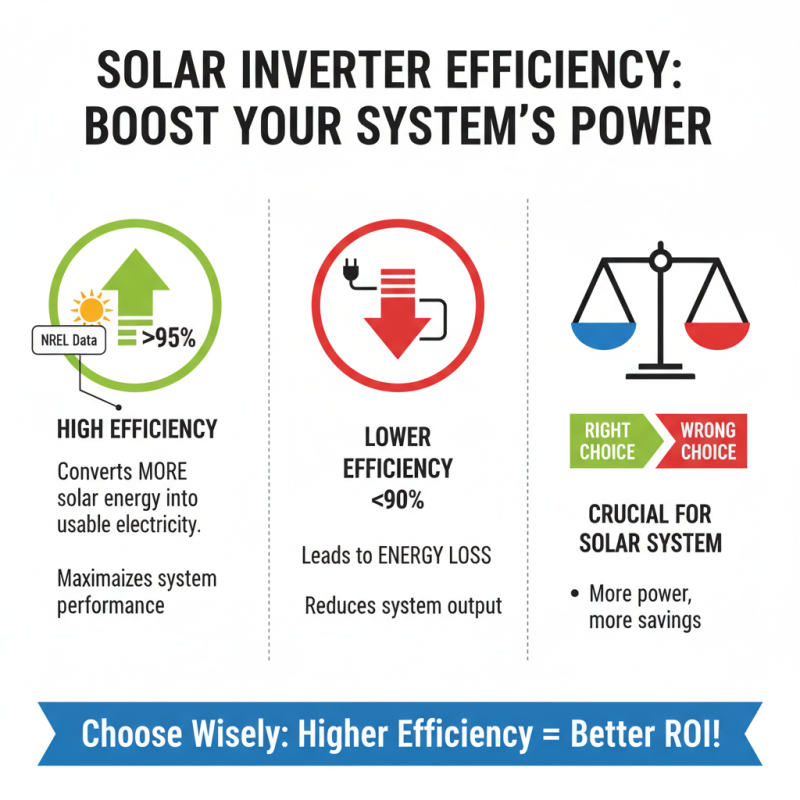
Choosing the right photovoltaic inverter for your solar system is crucial. One key factor to consider is the efficiency rating. According to the National Renewable Energy Laboratory, modern inverters can achieve efficiencies above 95%. This means they convert a larger portion of solar energy into usable electricity. Lower efficiency inverters may lead to energy loss, impacting your overall system performance.
Performance ratings also play a significant role. Look for inverters with good performance under varying conditions. The California Energy Commission provides insight into how inverters fare in real-world scenarios. They highlight the importance of temperature coefficients, noting that some inverters may lose more efficiency in high temperatures. This fluctuation can be critical if you live in warmer climates.
Tips: Check inverter warranties, as a longer warranty often indicates higher quality. Testimonies from industry professionals can validate your choices. Ultimately, understanding the nuances of efficiency and performance ratings can lead to a better decision. A well-chosen inverter not only maximizes energy output but also enhances your investment in solar energy. Reflect on your needs and location before making a choice.