How to Choose the Right Solar Inverter for Your Home?
When it comes to choosing the right solar inverter for your home, the stakes are high. Choosing poorly can lead to inefficiency and higher energy costs. According to solar industry expert Dr. Alice Green, "The right solar inverter can optimize your energy production and save you money." Understanding your options is crucial.
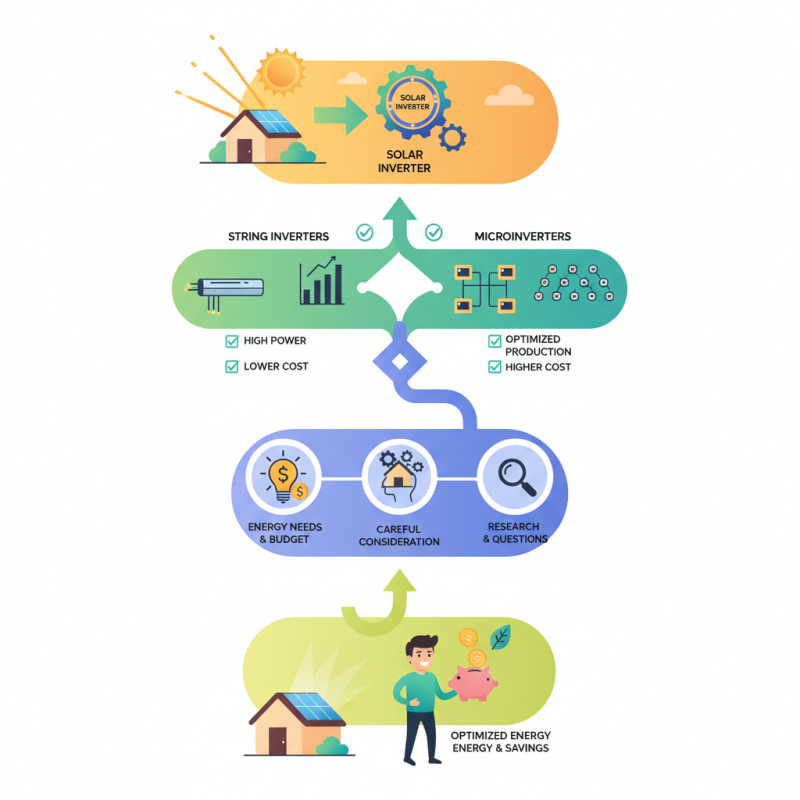
Solar inverters play a vital role in converting sunlight into usable energy. They ensure that your solar energy system operates efficiently. With various types available, like string inverters and microinverters, the choice can be overwhelming. Each has its pros and cons, which should not be taken lightly.
Consider factors like your household’s energy needs, budget, and future plans. A mismatch could lead to performance issues. Investing time in understanding solar inverters will benefit you in the long run. Be prepared to ask questions and seek advice. This journey can be complex, requiring reflection and careful consideration.
Understanding the Basics of Solar Inverters and Their Functionality
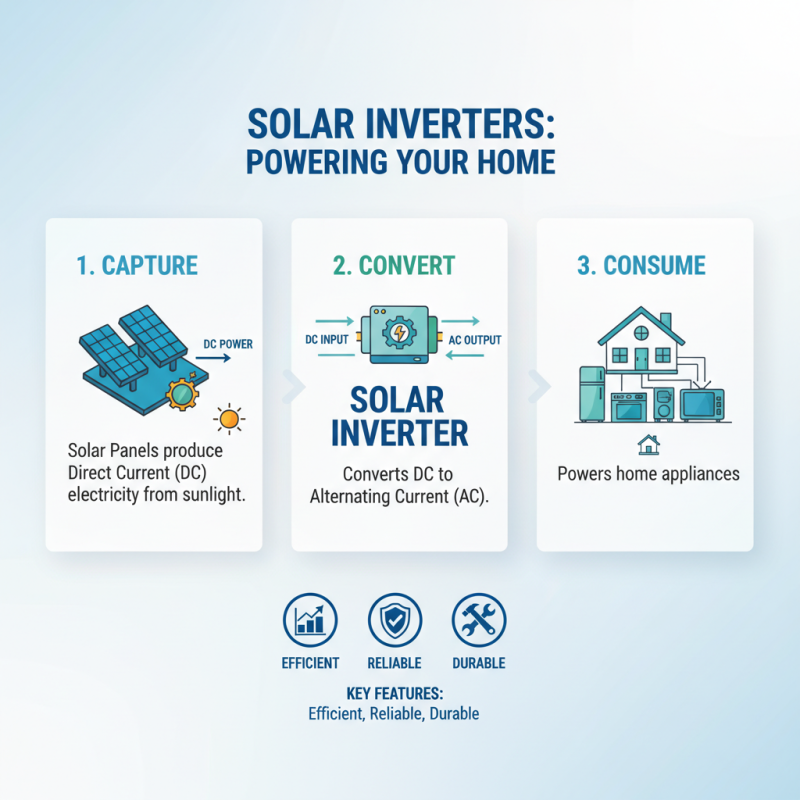
Understanding solar inverters is crucial for homeowners considering solar energy. A solar inverter converts direct current (DC) from solar panels to alternating current (AC) for home use. This functionality ensures that the energy produced can power household appliances effectively. An effective inverter should be efficient, reliable, and durable.
When choosing a solar inverter, efficiency matters. According to industry reports, high-quality inverters can achieve efficiencies above 95%. This efficiency can lead to increased energy savings. Homeowners should also consider the inverter's capacity. It must match the size of the solar system. An inverter that is too small may not handle the energy production, leading to losses.
**Tip:** Look for inverters with a higher warranty period. This often indicates a manufacturer’s confidence in their product. Additionally, consider whether a string inverter or a micro-inverter fits your needs better. Each has its advantages and drawbacks.
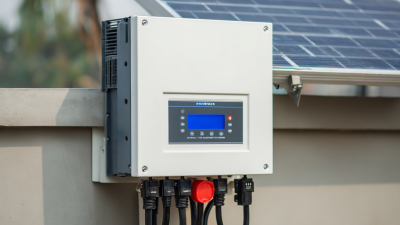
Remember, installation plays a vital role in inverter performance. A poorly installed inverter can lead to issues like overheating or system failures. Make sure to evaluate installation options thoroughly. Some homeowners regret cutting corners on this step. Research and plan carefully to avoid costly mistakes down the line.
Types of Solar Inverters: Choosing Between String, Micro, and Power Optimizers
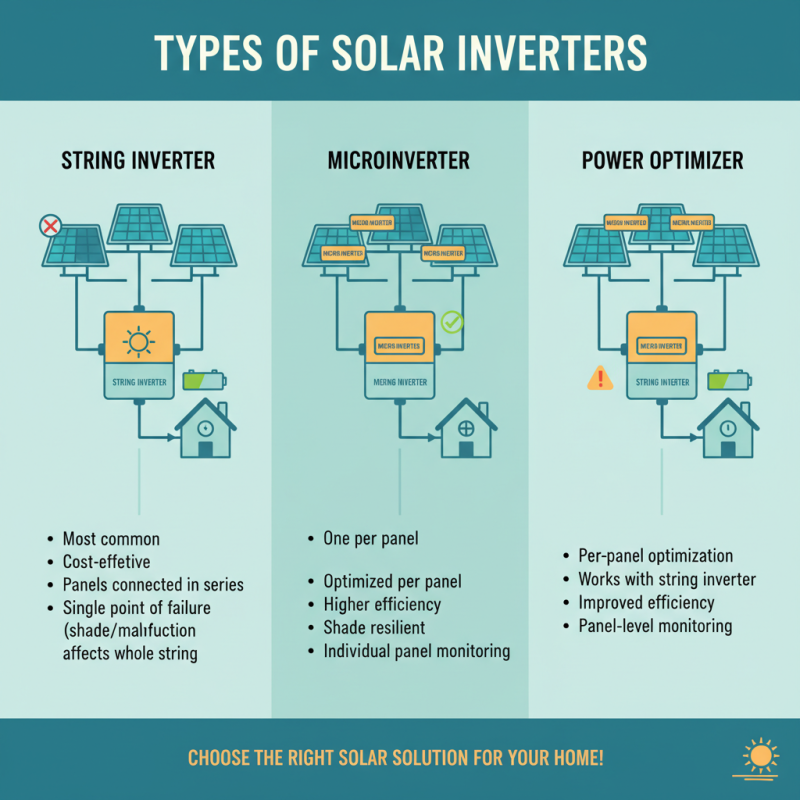
When choosing a solar inverter, understanding the types available is crucial. Solar inverters mainly come in three types: string inverters, microinverters, and power optimizers. Each serves a different purpose and has unique advantages. String inverters are the most common. They connect multiple panels in series. This type can be cost-effective but may underperform if one panel is shaded or malfunctioning.
Microinverters are installed on individual panels. They optimize energy production per panel, which can increase overall efficiency, especially in shaded conditions. According to a report by the National Renewable Energy Laboratory, microinverters can boost energy harvest by up to 20% in certain scenarios. However, they tend to have a higher upfront cost. Power optimizers provide a middle ground. They work with string inverters but can maximize the performance of each panel, offering more flexibility without breaking the bank.
It's also vital to consider the system's installation environment. For example, areas with frequent shading may benefit more from microinverters or optimizers. However, if the layout of your roof is simple with consistent sunlight, string inverters could be sufficient. The choice you make will significantly affect your energy efficiency and payback period. Balancing cost with performance is key to achieving long-term satisfaction.
Key Factors to Consider When Selecting a Solar Inverter for Your Home
When selecting a solar inverter for your home, there are key factors to consider. Start with the inverter type. You can choose between string inverters, microinverters, and power optimizers. Each type has its strengths and weaknesses. For example, microinverters tend to perform well in shaded areas but can be more expensive upfront.
Efficiency is another crucial aspect. The inverter’s efficiency rating determines how much energy is converted from solar power to usable electricity. Generally, look for inverters with over 95% efficiency. Remember, higher efficiency means better performance, especially during low sunlight conditions.
Tips for selection: Consider the size of your solar system. Match the inverter's capacity to your solar panel output. A mismatched inverter can lead to wasted energy. Think about monitoring features as well. Some inverters offer real-time monitoring, allowing you to track performance easily. Lastly, factor in warranties and service options. A solid warranty can save you money and stress down the line. Choosing the right inverter makes a difference in your energy savings and performance.
Comparison of Solar Inverter Efficiency Ratings
Evaluating the Efficiency and Performance Ratings of Solar Inverters
When selecting a solar inverter, its efficiency and performance ratings are crucial. Efficiency generally indicates how much of the solar energy is converted into usable electricity. Look for inverters with higher efficiency ratings, ideally above 95%. However, perfect efficiency is a lofty goal. Real-world conditions can impact performance, including temperature and shading. Sometimes, an inverter may not perform as well as advertised.
Performance ratings provide insight into an inverter's reliability. There are various metrics to consider, like the “CEC efficiency” and “European efficiency.” These ratings reflect the inverter's effectiveness under specific conditions. Beware of relying solely on manufacturer claims. The inverter's build quality and durability can affect its long-term performance. Sometimes, lower-rated inverters outperform higher-rated models over time.
Consider installation quality as well. A well-placed inverter may yield better results than a theoretically superior one that is poorly positioned. After installation, monitor the inverter’s output. Data logs can reveal inconsistencies that may need addressing. While performance ratings are helpful, they cannot guarantee optimal performance in every scenario. Flexibility is key when evaluating your choices.
Assessing Costs, Warranties, and Additional Features in Solar Inverters
When choosing a solar inverter, costs are a crucial factor. A quality solar inverter can range from $1,000 to $3,000. Installation costs can add another $1,000. An industry report from Solar Energy Industry Association (SEIA) states that inverter costs accounted for about 11% of total solar system costs in the U.S. Therefore, evaluating your budget is key.
Warranties also play an essential role. Most inverters come with a warranty ranging from 5 to 12 years. Some premium models offer up to 25 years of coverage. A longer warranty often indicates higher reliability and better performance over time. Look for inverters backed by reputable manufacturers with strong customer support.
Tip: Always compare warranties before deciding. It can save you money in the long run.
Additional features like monitoring systems can enhance your investment. These systems allow you to track energy production. They also help in diagnosing issues quickly. A report by the National Renewable Energy Laboratory emphasizes that real-time data optimizes energy output.
Tip: Ensure your inverter includes monitoring capabilities. This feature can help identify problems early.
In the end, every detail matters. Assess costs, warranties, and features carefully. They all influence your solar experience greatly.