How to Choose the Best Backup Power Inverter for Your Needs?
Choosing the right Backup Power Inverter for your needs can be daunting. Mark Robinson, a leading expert in the field, emphasizes, "Selecting the right inverter means understanding your power requirements." This insight highlights the importance of knowing how much energy you need.
Backup Power Inverters serve as a crucial solution during outages. They convert DC power into AC power for your devices. It’s vital to assess the wattage needed for your essential appliances. Many overlook this aspect. A small inverter may not support all your equipment.
Often, users find themselves frustrated after making a hasty decision. They discover their Backup Power Inverter can’t handle the load. This oversight can lead to significant issues. Consider your usage carefully. Remember, informed choices lead to lasting solutions.
Understanding Backup Power Inverters: A Comprehensive Overview
When considering backup power inverters, it's crucial to grasp their functionality. Backup power inverters convert DC power to AC power. They play a vital role during outages. According to industry data, over 60 million power outages occur annually in the U.S. This indicates a growing need for reliable backup solutions.
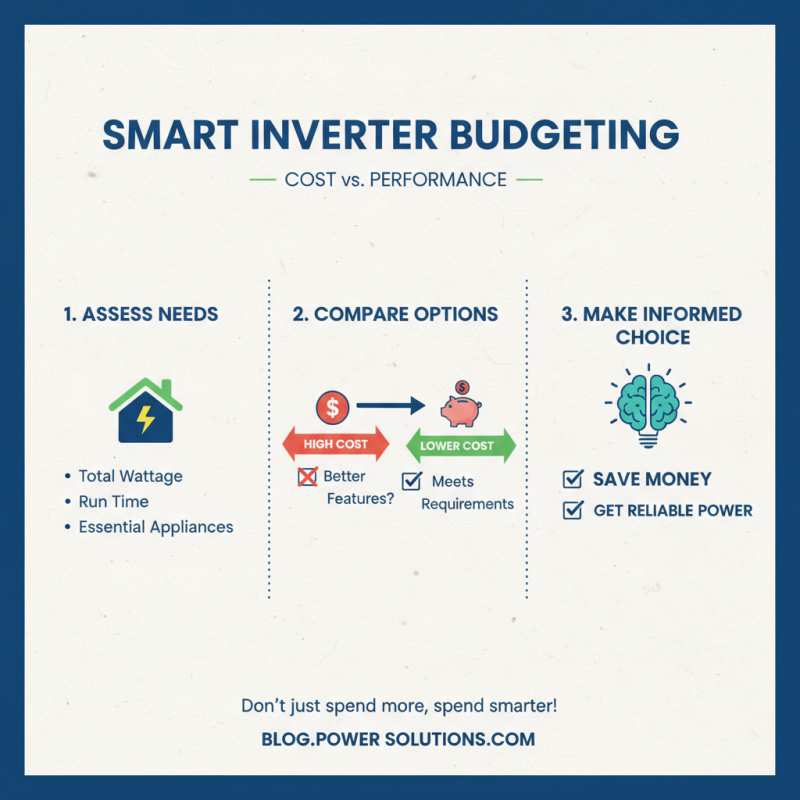
Understanding your specific power needs is essential. Assess the wattage requirements of your devices. Smaller inverters may suffice for lights and small appliances. Larger units cater to refrigerators and air conditioning units. Survey reports reveal that around 25% of households underestimate their power requirements. This can lead to inadequate systems.
Consider the type of inverter that suits your situation. Modified sine wave inverters are more affordable. However, they may not be ideal for sensitive electronics. Pure sine wave inverters, while pricier, deliver cleaner power. A recent study emphasizes that approximately 70% of users opt for the cheaper option, then experience issues with compatibility. Recognizing these dynamics can help you make a more informed decision.
Determining Your Power Needs: Calculating Wattage Requirements
When determining your power needs, understanding wattage requirements is crucial. Start by listing all the devices you want to power. This list may include lights, appliances, and electronics. Identify the wattage of each device. Some items may require more power at startup, like refrigerators or air conditioners.
Once you have the wattage figures, add them up. This total will give you your continuous wattage needs. Don’t forget to consider surge wattage, which is higher for a brief moment. It’s easy to overlook this part, yet it’s vital for efficient performance.
Evaluate your daily usage patterns. You may not need every device running at once. Think about priorities: what you need during an outage. This insight can help you choose an inverter with the right capacity. It's a process of reflection and adjustment, even if it feels overwhelming.
Power Needs Comparison for Backup Inverters
Types of Backup Power Inverters: Features and Benefits Explained
When considering backup power inverters, it’s essential to understand the types available. Pure sine wave inverters provide clean energy similar to grid power. They ensure compatibility with sensitive electronics. However, they can be more expensive. Modified sine wave inverters are more affordable but may cause issues with some devices. You might experience flickering lights or noise from appliances.
Another critical feature is the inverter's power rating. The average home requires at least 1500 watts. A report by the North American Electric Reliability Corporation indicates that having adequate power is vital during outages. A unit with too low a capacity can lead to frustrating failures during critical times. Look for inverters that match your peak load requirements.
Portability is another factor. Some users need inverters for camping, while others require stationary models for home use. Portable options are lightweight and easy to transport. Stationary inverters tend to be more powerful but occupy more space. Think about your lifestyle and how the inverter fits into it. Balancing features, benefits, and your specific needs is crucial in making the right choice.
Key Factors to Consider When Selecting an Inverter for Your Home
When selecting a backup power inverter for your home, consider the wattage you require. Calculate the total wattage of appliances you want to power. This will help you determine the inverter size. Remember to factor in the starting wattage for devices like refrigerators and air conditioners. A mismatch might lead to power loss during crucial moments.
Another important factor is the inverter type. Sine wave inverters provide clean power for sensitive electronics. Modified sine wave inverters are cheaper, but they may cause irregularities in some devices. Assessing your electronics' sensitivity is vital. Choosing the right type can preserve the lifespan of your equipment.
Installation and safety features should also be on your checklist. Some inverters are easier to install than others. Look for user-friendly options if you plan to set it up yourself. Built-in safety features can prevent risks during power surges. Don’t overlook these; they can save you from potential hazards. Reflect on these aspects before making a decision.