How to Choose the Best Pure Sine Wave Inverter for Your Needs
Choosing the right inverter for your power needs can be a daunting task, especially when navigating the various options available on the market. Among these, the "Inverter Pure Sinus" stands out for its ability to produce clean and efficient power, making it ideal for sensitive electronics and appliances. As more people rely on renewable energy sources and portable power solutions, understanding the benefits of a pure sine wave inverter becomes increasingly important.
In this guide, we will explore the critical factors to consider when selecting the best inverter pure sinus for your specific needs, from capacity and efficiency to features and price. Whether you're looking to power essential home devices during an outage, support your RV adventures, or operate tools at a job site, knowing how to choose the right inverter will ensure that you maximize your investment and get reliable performance. Join us as we dive into the essential criteria that will help you make an informed decision and optimize your energy usage.
Understanding Pure Sine Wave Inverters: Definition and Benefits
Pure sine wave inverters are vital devices that convert DC (direct current) electricity into AC (alternating current) electricity, replicating the form of power supplied by utility companies. They produce a smooth, wave-like form of current that is crucial for running sensitive electronics and appliances. Unlike modified sine wave inverters, which generate a somewhat choppy waveform, pure sine wave inverters provide a cleaner output that minimizes electrical noise and energy wastage. This is particularly important for devices that require a stable power supply, such as medical equipment, computers, and high-end audio systems.
The benefits of using pure sine wave inverters extend beyond just compatibility with sensitive devices. They offer efficiency in energy consumption, reduce the risk of overheating, and lower the potential for equipment damage. Additionally, when connected to battery banks, they ensure longer battery life and better performance. Choosing the right pure sine wave inverter can significantly enhance the reliability and longevity of various electrical devices, making it an essential consideration for anyone looking to invest in alternative energy solutions or mobile power applications.
How to Choose the Best Pure Sine Wave Inverter for Your Needs
| Feature |
Description |
Benefits |
| Output Waveform |
Produces a pure sine wave output. |
Compatible with sensitive electronics. |
| Efficiency |
Higher efficiency rates compared to modified sine wave inverters. |
More power available for devices; less wasted energy. |
| Load Capacity |
Variety of load capacities available (e.g., 1000W, 2000W, etc.). |
Choose based on power demands of devices. |
| Safety Features |
Includes protections against overload, short circuit, and overheating. |
Enhances safety for users and devices. |
| Portability |
Lightweight and compact designs available. |
Easy to transport for outdoor use. |
| Cooling Mechanism |
Includes fan cooling or passive cooling systems. |
Prevents overheating and ensures long usage. |
Key Factors to Consider When Choosing a Pure Sine Wave Inverter
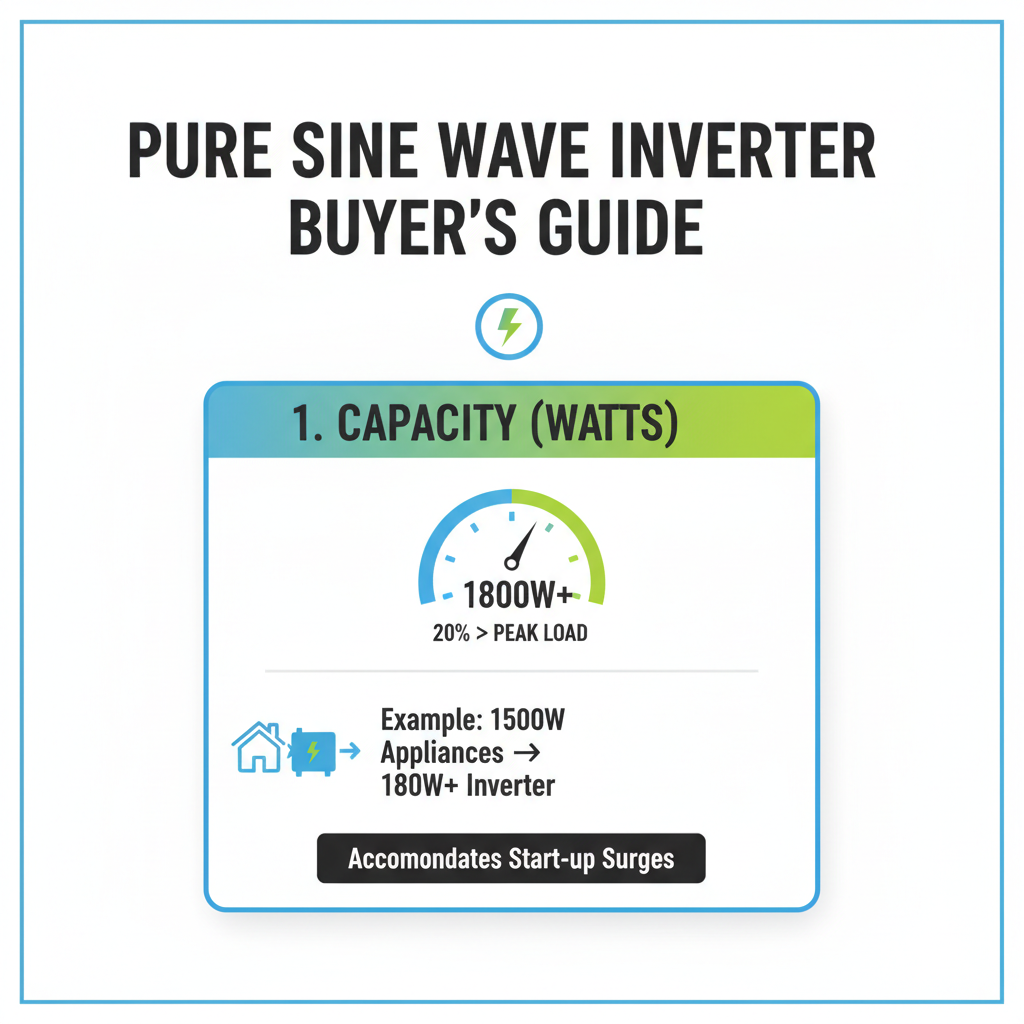
When choosing the best pure sine wave inverter for your needs, there are several key factors to consider. The first is the inverter’s capacity, measured in watts. According to the National Renewable Energy Laboratory, selecting an inverter with at least 20% more capacity than your peak load ensures reliable performance. For example, if your appliances demand 1500 watts, aim for an inverter rated at 1800 watts or higher. This additional capacity accommodates surges that often occur when starting motor-driven devices.
Another essential factor is the inverter's efficiency, which directly affects your energy consumption. A study by the U.S. Department of Energy indicates that inverters typically operate at 85-95% efficiency. Therefore, you should look for models that offer high efficiency to minimize energy loss. This is particularly important for long-term use, as the energy savings can offset the initial investment over time.
**Tips:** Always check for built-in safety features. Models equipped with overload protection, short circuit protection, and thermal management systems are preferable, as they enhance safety and longevity. Additionally, consider the inverter's noise level; quieter models can significantly improve the experience, especially in residential settings.
Sizing Your Pure Sine Wave Inverter for Optimal Performance
When selecting a pure sine wave inverter, one of the most critical factors to consider is
sizing. Proper sizing ensures that the inverter can handle the power demands of your devices while operating efficiently.
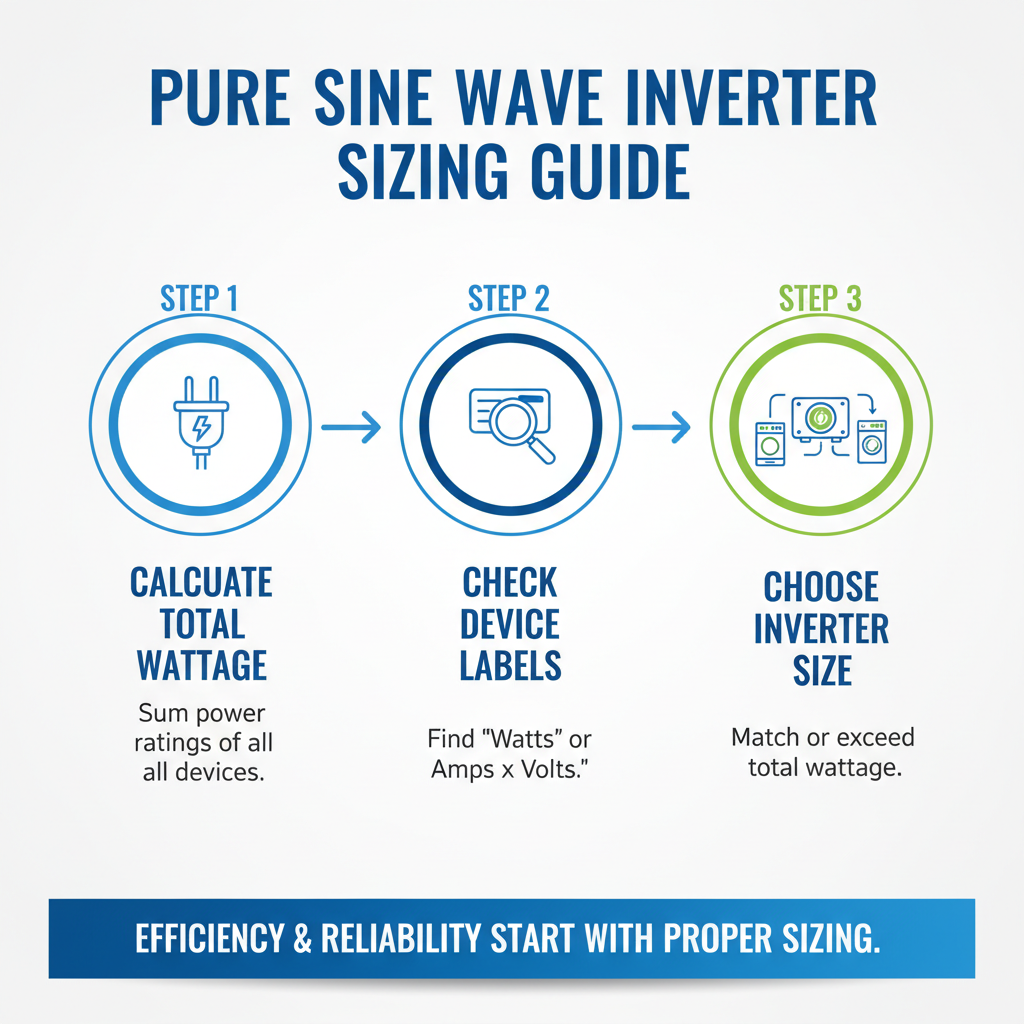
To determine the correct size, start by calculating the total wattage of all the appliances you plan to run simultaneously. This can be done by
checking the labels on each device for their power ratings.
After identifying the total wattage, it’s essential to factor in additional capacity for startup surges, especially for devices with motors or
compressors. These appliances often require more power than their running wattage indicates. A good rule of thumb is to add
20-30% more capacity to accommodate these peak demands. Once you have a clear understanding of both the running
and surge wattage, you'll be better equipped to select a pure sine wave inverter that not only meets your
current needs but also allows for future expansion if you decide to add more devices.
Comparing Brands and Models: What to Look For
When choosing a pure sine wave inverter, understanding the differences among brands and models is crucial. First, consider the inverter's output capacity, measured in watts. It's essential to select a model that can handle the total wattage of the devices you plan to run. Brands like Renogy and Victron Energy offer a range of capacities, catering to both small appliances and larger setups. Additionally, pay attention to the inverter's peak power rating, which indicates how much power it can supply during momentary surges, such as when starting up motors.
Another vital aspect to compare is the inverter's efficiency and waveform quality. Higher efficiency means less energy loss during conversion, which is especially important if you're using solar power. Look for models that consistently produce a clean sine wave, as this is crucial for sensitive electronics. Brands like Samlex and AIMS are known for their reliable waveforms. Finally, consider additional features such as built-in protection against overloads and short circuits, as well as form factor—whether you prefer a compact design or one that offers easy installation options. By evaluating these factors, you can make a more informed decision that suits your specific needs.
Installation and Usage Tips for Your Pure Sine Wave Inverter
When it comes to installing a pure sine wave inverter, proper attention to detail is essential to ensure optimal performance. First, consider the location of installation; it should be placed in a well-ventilated area to prevent overheating. According to a report by the National Renewable Energy Laboratory, maintaining a temperature below 85°F (29°C) can significantly enhance the lifespan and efficiency of the inverter. Moreover, make sure to use appropriately sized cables to minimize voltage drop and improve energy efficiency—cable sizes should match the current ratings to avoid overheating and potential fire hazards.
During usage, it’s crucial to monitor the load on the inverter to avoid overloading. A study by the Institute of Electrical and Electronics Engineers (IEEE) indicates that exceeding the inverter's rated capacity can lead to failures or damage the inverter. As a best practice, keep the total load under 80% of the inverter’s capacity, which not only prolongs the lifespan of the inverter but also enhances its reliability. Regular maintenance checks, including cleaning connections and ensuring firmware is updated, are also vital for maintaining efficiency and performance throughout the lifetime of your pure sine wave inverter.