How to Choose the Right Home Sockets for Your Electrical Needs?
Choosing the right home sockets can significantly impact daily life. According to John Smith, an expert in electrical installations, “The right choice can prevent serious issues.” Home sockets are essential for powering our devices. However, many people overlook their importance in safety and functionality.
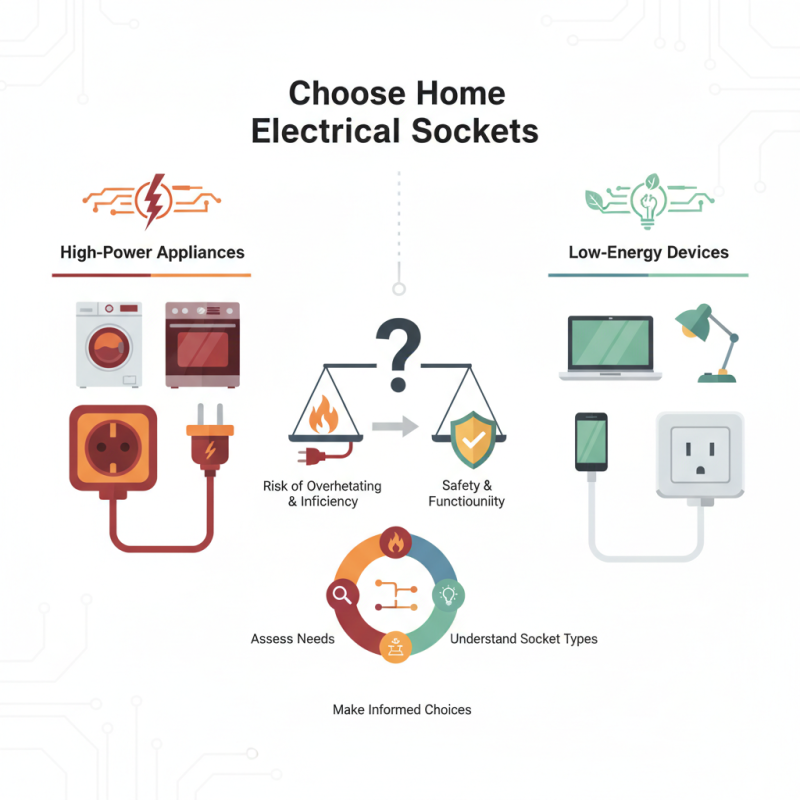
Different types of home sockets serve various purposes. Some sockets are designed for high-power appliances, while others are better for low-energy devices. This diversity can be confusing. Many homeowners do not consider the specifications when selecting sockets. It often leads to frustration and inefficiency.
For example, using a basic socket for a heavy appliance can result in overheating. This situation highlights the need for careful selection. A socket that seems perfect may not be so under specific circumstances. It’s crucial to assess your electrical needs fully. Understanding the available options will help you make informed choices about home sockets.
Understanding Different Types of Home Sockets and Their Applications
When setting up your home, choosing the right sockets is crucial. Different types of sockets serve various purposes. For example, standard sockets are common for everyday devices like lamps and chargers. They are versatile, but may not handle heavy appliances.
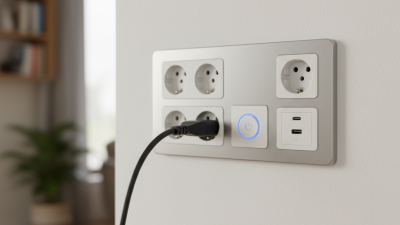
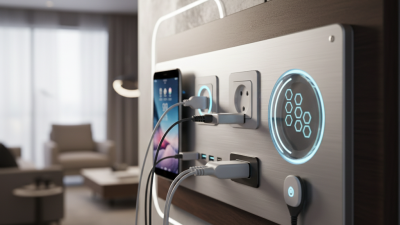
In contrast, specialized sockets cater to specific needs. GFCI outlets are essential in wet areas like kitchens and bathrooms. They reduce the risk of shock. Meanwhile, USB sockets provide convenience. They allow direct charging of devices without requiring adapters. These can simplify your daily routines.
Here are some tips to consider. Assess the power requirements of your devices. An overloaded socket can pose hazards. Always factor in your future needs. Investing in higher-rated sockets might prevent issues later. If you frequently use multiple devices, a multi-socket solution could be ideal. Remember to evaluate the aesthetic of your home as well. Functionality and design should coexist.
How to Choose the Right Home Sockets for Your Electrical Needs? - Understanding Different Types of Home Sockets and Their Applications
| Type of Socket |
Description |
Applications |
Safety Features |
| Type A |
Two flat parallel pins |
Common in North America for small appliances |
Grounding options available |
| Type B |
Two flat parallel pins with a round grounding pin |
Used for larger appliances needing grounding |
Grounding pin prevents accidental shock |
| Type C |
Two round pins |
Common in Europe for small appliances |
Lacks grounding, but widely used |
| Type D |
Three round pins in a triangular pattern |
Primarily used in India and some African countries |
Robust grounding system |
| Type G |
Three rectangular prongs |
Used in the UK, Malaysia, and Singapore |
Fused for additional safety |
| Type I |
Two flat pins in a V-shape with a grounding pin |
Common in Australia and New Zealand |
Safety shutters to prevent contact |
Assessing Your Electrical Requirements and Usage Patterns
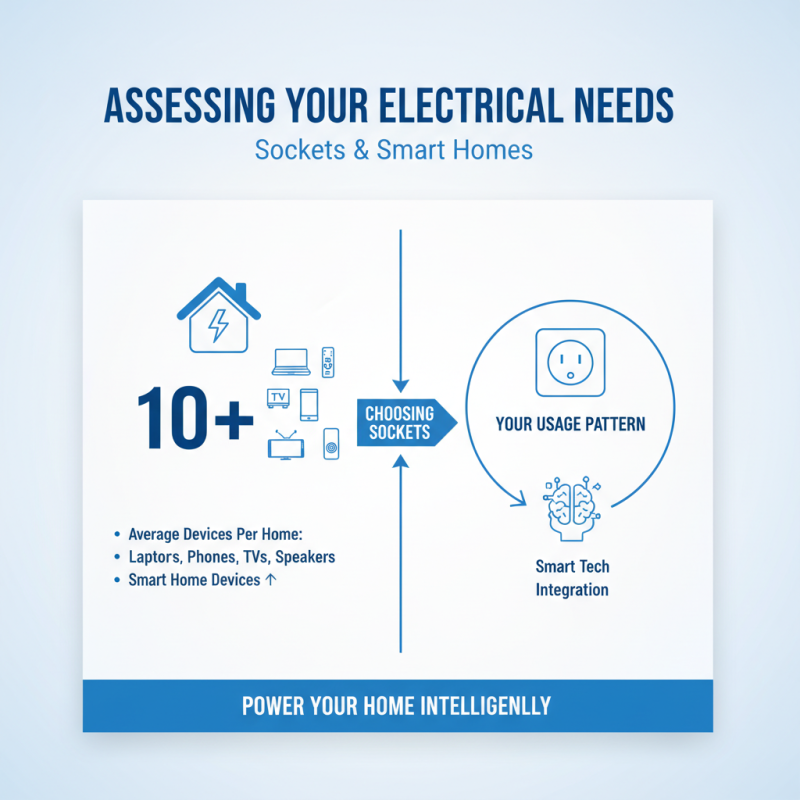
Choosing the right home sockets requires careful assessment of your electrical needs. Start by evaluating the number of devices you typically use. A recent survey showed that households often have an average of 10 electronic devices. This number can increase with smart home technology.
Next, consider the power consumption of your devices. High-power appliances, like refrigerators and microwaves, need dedicated circuits. It’s essential to match the socket wattage with these demands. Some homes still use standard outlets for high-consumption devices. This can lead to serious safety risks and unexpected outages.
Observe your usage patterns. Many families underestimate their daily power draw. Not knowing your peak demand can lead to inadequate socket installations. For instance, if multiple devices run simultaneously, you may need higher Amperage sockets. Reflecting on these factors will lead to a better-informed choice.
Evaluating Safety Standards and Regulations for Home Sockets
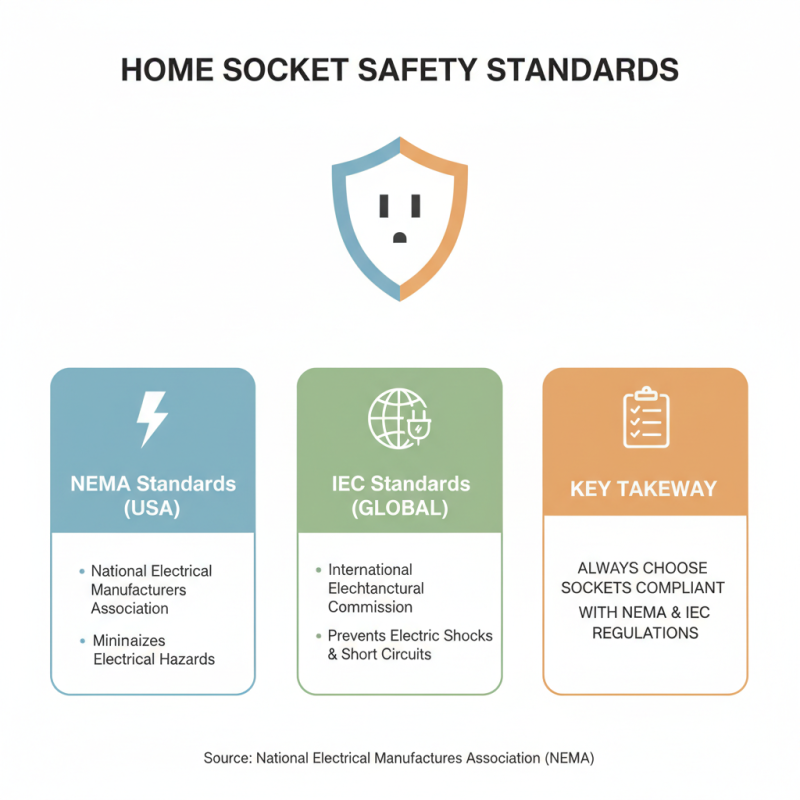
When selecting home sockets, safety standards and regulations play a crucial role. According to the National Electrical Manufacturers Association (NEMA), home socket outlets must comply with specific safety standards to minimize electrical hazards. It's vital to opt for sockets that meet the International Electrotechnical Commission (IEC) standards, which focus on preventing electric shocks and short circuits.
The latest report from the Consumer Product Safety Commission (CPSC) indicates that electrical accidents result in over 400 deaths annually in the U.S. alone. Choosing the right sockets can significantly mitigate these risks. For instance, ground-fault circuit interrupters (GFCIs) are highly recommended for wet areas. They can cut off power within milliseconds if they detect faults. However, many homeowners overlook these critical safety features.
Another area for reflection is the installation process. Improper installation can lead to serious issues. According to a study published by the Electrical Safety Foundation International (ESFI), around 30% of electrical fires occur due to faulty installation of outlets. Ensuring that your sockets are installed by a certified electrician can address this concern. Nevertheless, many DIY enthusiasts still choose to install sockets themselves, which increases the risk of accidents.
Comparing Features of Smart Sockets vs. Traditional Sockets
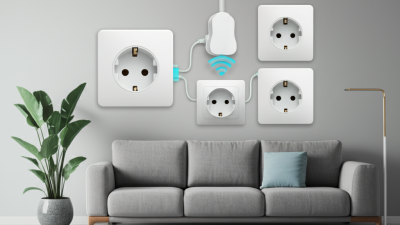
When choosing between smart sockets and traditional sockets, it’s important to consider their features. Smart sockets connect to your Wi-Fi network. They allow remote control via smartphone apps. You can schedule appliances or monitor energy usage. Imagine turning off the coffee maker while you're still in bed. That’s convenience.
On the other hand, traditional sockets are straightforward. They don’t require apps or an internet connection. However, they lack the intelligence and monitoring capabilities of smart options. If you forget to unplug a device, it remains powered, wasting energy. This can be a simple oversight but might lead to higher electricity bills over time.
The choice may depend on your lifestyle. If you're tech-savvy, smart sockets offer flexibility. But they might be challenging for those not familiar with new technology. Both types have their deficiencies. Smart sockets require setup and maintenance, while traditional ones don’t provide energy insights. Think about your needs, and weigh the pros and cons carefully.
Tips for Installation and Maintenance of Home Electrical Sockets
When installing home electrical sockets, safety and efficiency are paramount. According to the National Electrical Manufacturers Association, around 30% of home electrical fires are linked to faulty outlets. Therefore, choosing high-quality sockets is crucial. Look for those that meet or exceed industry standards. This ensures safety and longevity.
Routine maintenance is equally important. Inspect sockets for signs of wear, such as discoloration or looseness. Regularly check for overheating, which could indicate an electrical fault. The U.S. Fire Administration reports that overheating can cause fires in 25% of electrical hazards. Keeping sockets clean and free of dust contributes to their lifespan.
Don't overlook the significance of proper installation. Ensure sockets are securely mounted. Incorrect installation can lead to a host of issues, including electrical shock. Many homeowners underestimate the importance of hiring a qualified electrician. Faulty DIY installations are a common cause of problems. Always take time to evaluate your electrical needs before making any changes.