How to Choose the Right Dimmer Switch for Your Home?
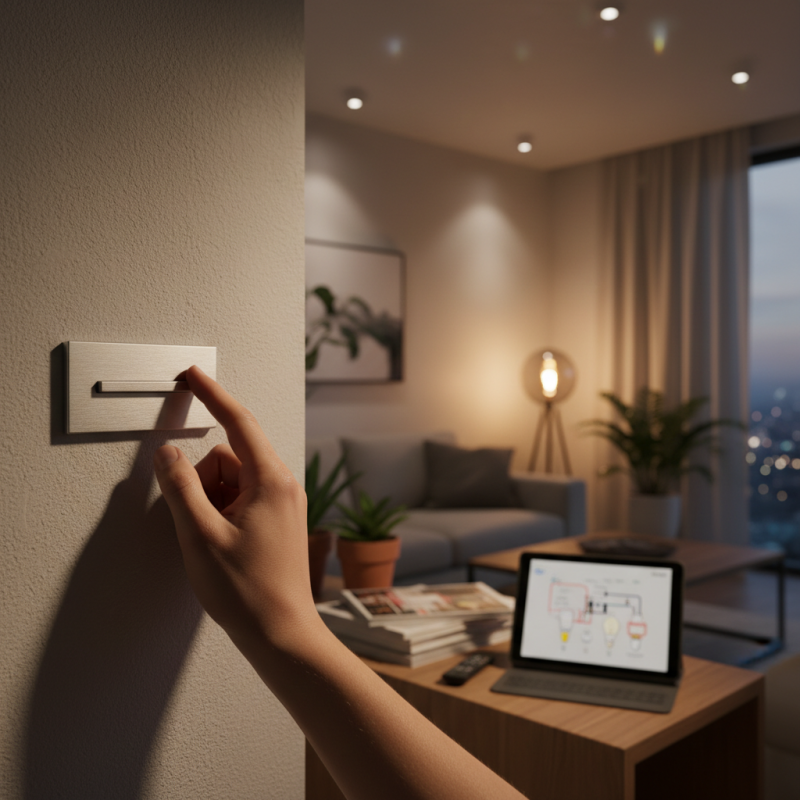
Choosing the right dimmer switch is essential for any home. It can enhance your space and create the right mood. A dimmer switch allows you to adjust brightness, providing flexibility in lighting.
When selecting a dimmer switch, consider the type of lighting in your home. Different bulbs require different dimmers. For example, LED bulbs often need specific dimmers to function properly. You might find this confusing, yet understanding your needs is key.
Also, think about style. Dimmer switches come in various designs and colors. They should match your decor and personal taste. Mistakes may happen, like choosing a switch that looks great but doesn’t fit your needs. Reflect on your choices for a better lighting experience.
Factors to Consider When Choosing a Dimmer Switch for Your Home
Choosing the right dimmer switch involves several important factors. First, consider the type of bulbs you're using. LED bulbs require compatible dimmers to function correctly. The American Lighting Association reports that improper pairing can lead to flickering or buzzing noises. This means you must check if the dimmer supports the bulb type to ensure smooth operation.
Next, think about wattage. Most dimmer switches have a maximum wattage rating. Exceeding this limit can cause overheating and damage. A study by the National Electrical Contractors Association found that home fires often stem from overloads caused by incompatible dimmers. Measure the total wattage of your lights and choose a dimmer that can handle it.
Lastly, consider the style and features. Dimmers come in various designs, some with additional features like remote controls or preset lighting levels. While advanced options may seem appealing, they might be unnecessary for your needs. Sometimes, a simple slider switch works just fine. Reflecting on your preferences and the actual usage can save you from making a choice that doesn’t fit your lifestyle.
Understanding Different Types of Dimmer Switches: A Comprehensive Overview
Dimmer switches are essential for creating the right ambiance in your home. They allow you to control lighting levels easily. There are various types of dimmers, including standard, smart, and multi-location dimmers. Each type serves different needs.
Standard dimmers adjust brightness through a rotary knob or slider. They are simple and cost-effective. Smart dimmers offer advanced features, allowing remote control through apps. A report from the Lighting Research Center states that smart dimmers can save up to 20% on energy costs. Multi-location dimmers enable control from several locations, enhancing convenience in larger spaces.
**Tip:** When choosing, consider the bulb type. Some bulbs work better with specific dimming technologies. For example, LED bulbs may require compatible dimmers to avoid flickering.
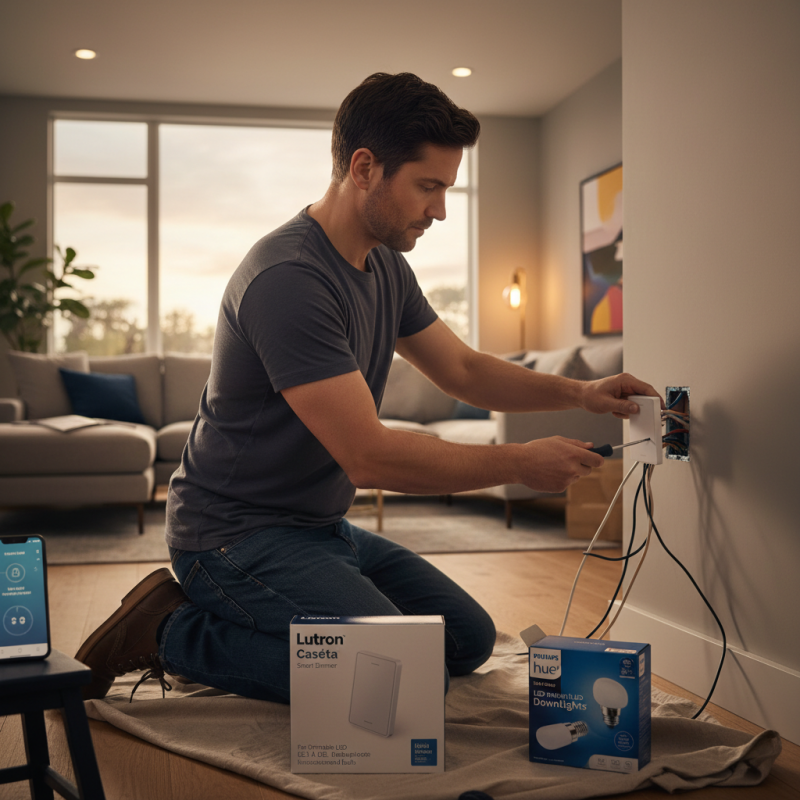
Another aspect to think about is installation. While many dimmers are easy to install, some may require professional help. According to Home Improvement Magazine, improper installation can lead to electrical issues. Always check compatibility with your existing fixtures.
**Tip:** Test the dimmer before finalizing your choice. Sometimes, the feel of the switch matters more than its functionality. Don’t overlook the importance of aesthetics as well.
How to Choose the Right Dimmer Switch for Your Home? - Understanding Different Types of Dimmer Switches
| Type of Dimmer Switch |
Features |
Best For |
Price Range |
| Single Pole Dimmer |
Controls light from one location |
Rooms with one entrance |
$10 - $50 |
| Three-Way Dimmer |
Controls light from two locations |
Hallways or large rooms |
$15 - $60 |
| Smart Dimmer |
Wi-Fi or Bluetooth enabled, app control |
Tech-savvy homes |
$25 - $100 |
| Lutron Dimmer |
High compatibility with various bulbs |
Energy-efficient homes |
$20 - $80 |
| Multi-location Dimmer |
Can control from multiple locations |
Large open spaces |
$30 - $120 |
Electrical Compatibility: Ensuring the Right Voltage and Wattage Ratings
When selecting a dimmer switch for your home, electrical compatibility is crucial. Understanding voltage and wattage ratings can prevent potential hazards. According to the National Electrical Code, most residential systems operate on 120 volts. Make sure any dimmer switch matches this voltage. An incompatible switch can lead to overheating or damage.
Wattage is also a key factor. Many dimmer switches support a maximum load between 600 to 1,000 watts. If your lighting fixtures exceed this, you risk circuit failure. For instance, an incandescent bulb draws more wattage than an LED bulb. An LED dimmer might be necessary for LED setups, which often use 10-20% of the wattage of traditional bulbs.
In a 2021 industry report, 30% of homeowners reported issues related to dimmer switches. Many faced problems due to improper wattage ratings. It's essential to check your lighting system and choose the appropriate switch. Ignoring these details can lead to operational failures that are costly and inconvenient.
Voltage and Wattage Ratings of Common Dimmer Switches
The Importance of Load Types: LED, CFL, and Incandescent Compatibility
Choosing the right dimmer switch can be tricky. It’s essential to consider load types.
LED, CFL, and incandescent bulbs all behave differently.
Each requires specific dimmers for optimal performance.
Mixing types might lead to flickering or buzzing.
LED and CFL bulbs are energy-efficient. They can save you money on electricity bills.
However, not all dimmer switches are compatible with them. You might find that a standard dimmer designed for incandescent bulbs doesn’t work well.
It’s frustrating to purchase a dimmer only to discover it doesn’t function as expected.
Incandescent bulbs dim smoothly and easily. They work with a wide range of dimmers.
However, they consume more energy. This can impact your electricity costs over time.
Assessing your home’s lighting needs is vital. Take time to research and read specifications.
Compatibility is key.
Test your selected dimmer before making final decisions.
Installation Requirements and Safety Standards for Dimmer Switches
When selecting a dimmer switch, installation requirements and safety standards are crucial considerations. According to the National Electrical Code (NEC), appropriate wiring is essential. Standard wiring for residential lighting should support the load of your dimmer switch, typically 15 or 20 amps. Many homes fall short here, using outdated wiring that may not meet current safety guidelines. This can lead to overheating or tripped breakers, creating potential hazards.
Further, the dimmer’s compatibility with your light fixtures is vital. Not all dimmers work well with LED lights, which are becoming increasingly popular. A study by the Department of Energy found that about 50% of homes now use LED bulbs. Incorrectly paired dimmers can cause flickering or reduced bulb lifespan. Some dimmers do not support multiple types of fixtures, posing a challenge for homeowners wishing to upgrade.
Safety standards also emphasize the importance of proper installation techniques. Improper installation can lead to electrical fires or personal injury. The Consumer Product Safety Commission reported over 1,000 electrical fires annually related to faulty installations. These numbers suggest a pressing need for homeowners to ensure their dimmer switches meet safety codes and are installed by qualified professionals. Ignoring these aspects can turn an attractive lighting upgrade into a serious safety issue.