How to Choose the Right Home Sockets for Your Electrical Needs?
When selecting the right home sockets, many factors come into play. Renowned electrical expert John Smith advises, “Choosing the right home sockets can enhance both safety and efficiency.” Understanding the specific needs of your household is vital.
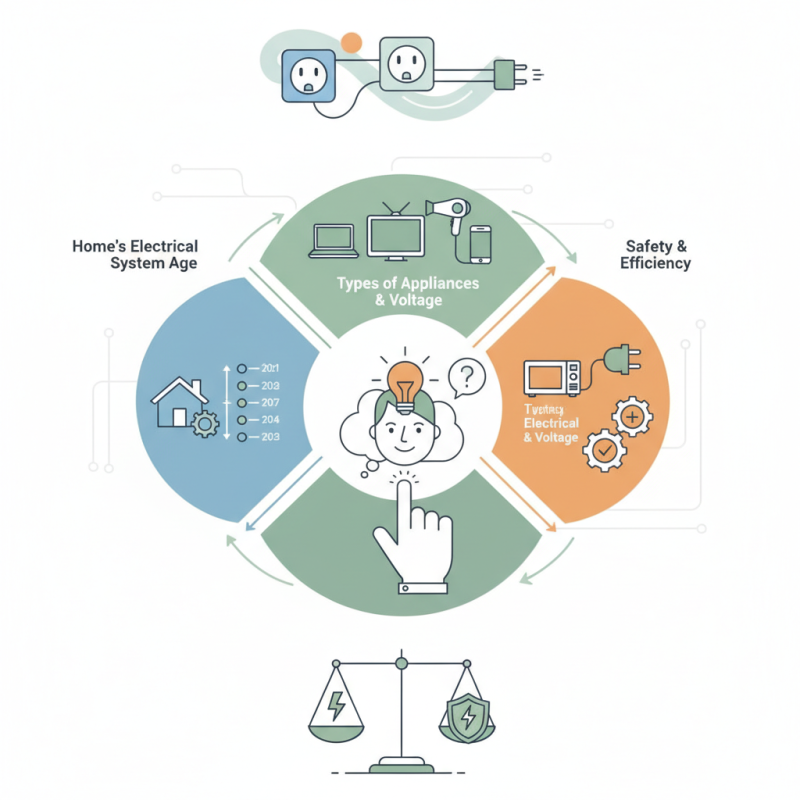
Home sockets are often overlooked. However, they play a crucial role in our daily lives. Many people use multiple devices but don’t consider the potential risks of using outdated or incompatible sockets. The age of your home’s electrical system matters greatly and should be evaluated carefully.
Take note of the types of appliances you frequently use. Certain devices require higher voltage than standard sockets can provide. It’s an area where mistakes can lead to frustration or worse, damage. Balancing functionality with safety is central to making a smart choice with your home sockets.
Understanding Different Types of Home Sockets for Various Appliances
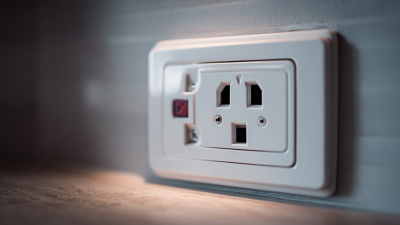
When selecting home sockets, understanding their types is crucial for efficient appliance usage. Generally, sockets fall into categories based on voltage and application. For instance, standard outlets commonly support devices at 120V, suitable for many household machines. In contrast, high-power sockets cater to tools and appliances that require 240V, such as electric ovens and dryers. A report from the Electrical Safety Foundation notes that improper socket use can lead to electrical hazards, stressing the need for awareness.
Tips: Always check the voltage requirements of your appliances. It’s essential to match them with the right socket. Overloading can lead to serious issues like short circuits.
The installation location matters as well. Sockets in kitchens should offer waterproof options to prevent shock. Meanwhile, living areas can utilize standard outlets for convenience. There’s a growing trend for USB integrated sockets, allowing direct phone charging. This saves space and energy. Still, many forget to account for future needs. Planning for expansion can save headaches later. Investing in modular sockets may be beneficial, offering flexibility for upcoming appliances.
Assessing Power Ratings: Choosing Sockets Based on Wattage Requirements
When choosing the right home sockets, assessing power ratings is crucial. Each electrical device has a specific wattage requirement. According to the National Electrical Manufacturers Association, over 60% of home fires arise from faulty wiring or improper connections. Understanding wattage helps prevent these risks.
For example, a standard light bulb can range from 10 to 100 watts. However, some appliances, like microwaves or air conditioners, may require 1,200 watts or more. Installing the wrong socket can lead to overheating or short circuits. Many homeowners fail to check the wattage before installation. This oversight can result in costly repairs and safety hazards.
Choosing sockets based on wattage requirements is not only smart but necessary. The International Electrotechnical Commission suggests that underestimating wattage can create a fire hazard. It’s essential to consider the maximum load each socket can handle. Installing higher-rated sockets might be tempting, but it’s not always the right choice. Overrated sockets could mislead users, encouraging them to connect appliances that exceed safe limits.
Evaluating Safety Features: Surge Protection and Grounding Options
When choosing home sockets, safety is paramount. Surge protection helps prevent damage to your devices. According to industry reports, electrical surges can significantly shorten the lifespan of electronic gadgets. A surge protector can effectively combat this risk.
Grounding is another crucial feature. Proper grounding ensures that excess electricity is directed safely away. This helps mitigate the risk of electric shock. Faulty grounding can lead to serious hazards. Inadequate grounding has been implicated in numerous electrical-related fires.
Tip: Always look for sockets with built-in surge protection. Ensure they comply with local electrical standards. This simple step can save you money in repairs and replacements.
Also, check the grounding configuration of your current sockets. Many older homes lack proper grounding. This oversight can lead to safety issues. Consider upgrading to meet modern safety codes.
Home Socket Safety Features Evaluation
This bar chart illustrates the evaluation of various safety features in home sockets, focusing on surge protection and grounding options. The data reflects the percentage of sockets that include these features, helping consumers make informed choices based on safety standards.
Compatibility with Smart Home Devices: Ensuring Seamless Integration
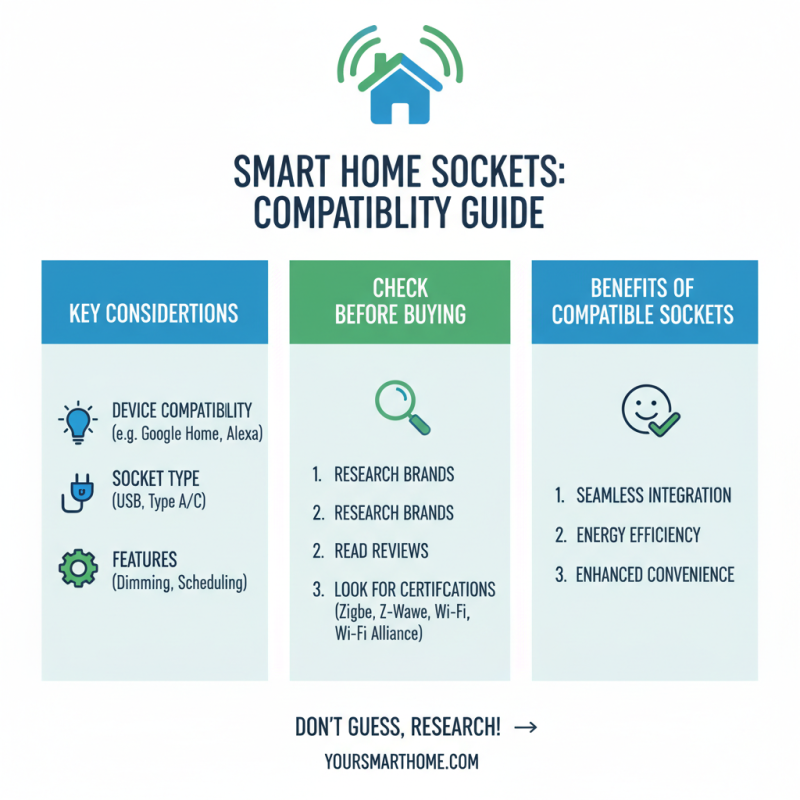
When choosing home sockets, compatibility with smart home devices is crucial. Many modern homes integrate technology for convenience and efficiency. Yet, selecting the right sockets can be challenging. Not all sockets support smart features universally. Some may lack proper compatibility with specific devices. Research is essential to avoid frustration.
Smart sockets often provide advanced features. They can control lighting, appliances, and even the thermostat. However, if the sockets do not integrate well with your existing devices, they become less useful. Check the specifications carefully. Look for terms like “Wi-Fi enabled” or “app-compatible.” Neglecting these details can lead to disappointment.
Installation can also present challenges. If you are not comfortable with DIY projects, consider hiring a professional. Miswired sockets can create hazards. Ensure your electrical system is capable of handling smart technology. Reviewing your current setup is advisable. Assessing your needs before purchasing can save time and money in the long run.
Installation Considerations: DIY vs. Professional Services and Regulations
When considering installation, two main options often arise:
DIY or
professional help.
DIY projects can be tempting. They promise cost savings and pride in doing it yourself.
However, this approach comes with risks. A small mistake can lead to dangerous electrical issues.
For those without experience, it can become overwhelming quickly.
Hiring professionals can be more reassuring.
They possess the right tools and expertise. They understand local regulations and codes, ensuring safety.
However, it's essential to choose qualified electricians.
Not all services offer the same level of skill. Take time to check their credentials.
The right choice can save time and prevent future headaches.
It's important to weigh your options carefully.
While DIY may save money, professional services can provide peace of mind.
A well-done installation ensures reliability and safety in the long run.
Always consider safety as the top priority when dealing with electricity.
Making a hasty decision could lead to costly repairs down the line.
Reflect on your comfort level with electrical tasks before proceeding.