How to Choose the Right Home Sockets for Your Needs?
Choosing the right home sockets can greatly impact your daily life. Home sockets are essential for powering your devices. However, not all sockets are created equal. Knowing your specific needs can help you make a better choice.
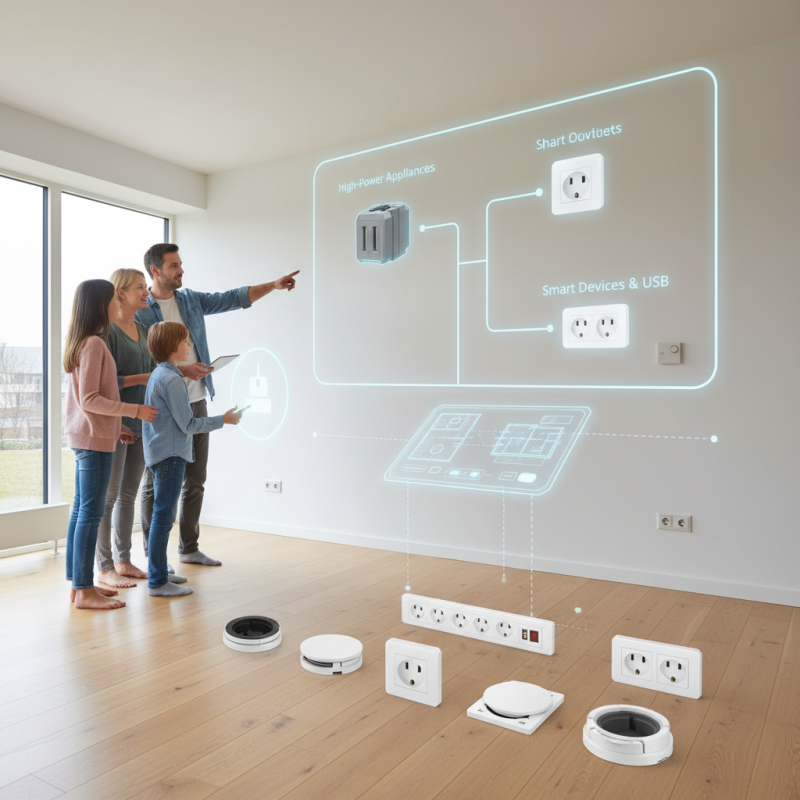
When selecting home sockets, consider the power requirements of your appliances. Some devices may need special sockets for safety purposes. Visualize your home layout and where each socket will be most useful. This can sometimes be an overlooked aspect.
Think about future needs too. Technology is always evolving. The socket you choose today might not suit your needs tomorrow. Reflection on your long-term plans is crucial. Sometimes, it’s easy to overlook these details in the excitement of home improvement.
Understanding Different Types of Home Sockets Available on the Market
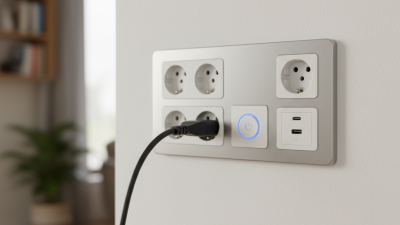
When choosing home sockets, it's essential to understand the various types available to meet your specific needs. Standard wall sockets are the most common. They have two or three holes for plugs. These are suitable for everyday appliances like lamps and chargers. However, not all sockets are created equal. Some may not accommodate larger plugs. This can be frustrating when you’re in a hurry.
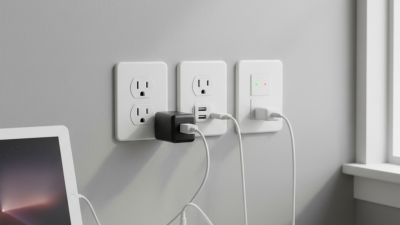
Another option is USB sockets. These allow for direct charging of devices without the need for an adapter. They’re perfect for smartphones and tablets. However, many people overlook their wattage capacity. Overloading can lead to safety concerns. It’s wise to check how much power you’ll need for your devices.
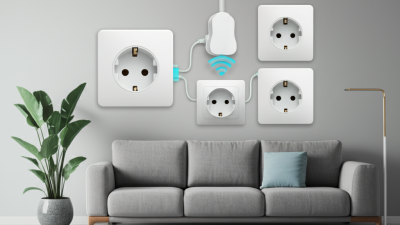
Some homeowners might prefer smart sockets. These can be controlled remotely through a smartphone. But setting them up can be complicated. Not everyone finds tech easy to navigate. Also, consider the design. A poorly chosen socket may clash with your home’s style. It's important to balance function and aesthetics.
Types of Home Sockets and Their Usage
Evaluating Socket Features: Voltage, Amperage, and Design Considerations
When choosing home sockets, voltage and amperage are key factors. Many sockets support standard voltages like 110V or 220V. However, confirm your home’s electrical supply before selection. Mismatched voltage can create dangerous situations or damage your devices. Look closely at the specifications.
Amperage is equally important. Common household sockets handle 10 to 15 amps. If you plan to power heavy-duty appliances, you might need higher amperage sockets. Think about your usage. Regularly overloading sockets can lead to electrical issues. Inspect the design too; the layout and size impact installation ease and usability. Some designs accommodate multiple devices, while others focus on space-saving features.
Consider future needs as well. Outlets with USB ports are becoming popular. Are you ready for advancements? Don’t overlook safety features. Built-in surge protection or child safety covers are valuable. Personal experiences can guide choices. Perhaps you’ve faced issues with older sockets. Reflect on what worked and what didn’t. Your choice of sockets can significantly impact safety and functionality in your home.
Assessing Your Appliance Needs: Matching Sockets to Device Requirements
When choosing home sockets, it’s crucial to consider the needs of your appliances. Different devices require varying levels of power. For instance, a toaster needs a standard socket, while a washing machine may require a higher amperage. Failing to match these needs can lead to frustration. You might find your devices not working optimally.
Take time to assess which appliances you frequently use. If you have heavy-duty tools, look for sockets that can handle their load. Sometimes, you might overlook smaller devices, like phone chargers. These also have specific requirements. Using the wrong socket can weaken your device over time, leading to potential damage.
Make sure to check the voltage ratings too. Compatibility is essential for safety. It’s easy to assume that all sockets serve the same purpose. However, your needs may differ. Installing incorrect sockets could lead to short circuits or worse. Measure your requirements carefully, and make the right choice. It’s an essential step that will pay off in the long run.
Safety Standards and Regulations for Home Electrical Sockets
When choosing home electrical sockets, safety standards are paramount. Many regions have specific regulations guiding the construction and installation of these devices. Compliance ensures that sockets can handle the load and prevent hazards such as overheating or electrical fires. It's essential to check certifications on electrical sockets. Look for marks that indicate safety compliance. This verification can be your first line of defense.
Additionally, consider the materials used in manufacturing. Certain plastics can withstand heat better than others. Cheap materials may crack under pressure. Faulty or poorly constructed sockets can lead to severe accidents. Inspect the design; a well-designed socket with proper grounding is safer. A socket should allow easy plug insertion but not feel loose.
Altering existing installations can be tempting, but it's often risky. DIY electrical work might lead to safety violations. Seek professional advice or hire a qualified electrician. A knowledgeable expert can help navigate local codes and ensure everything is up to standard. Remember, the right choices in home safety can prevent costly and dangerous mistakes.
Tips for Installation and Maintenance of Home Socket Systems
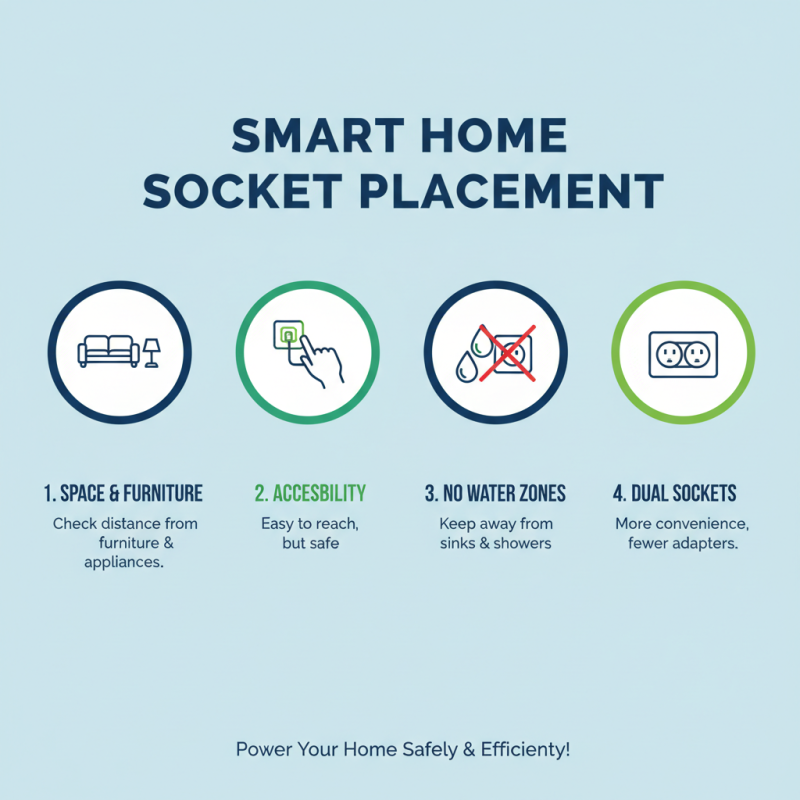
When installing home sockets, consider your space and needs. Check the distance from furniture and appliances. Make sure the sockets are accessible but not too close to water sources. Use appropriate socket placements for convenience. Dual sockets are often better than single ones.
Maintenance is crucial for a safe environment. Inspect the sockets regularly for any wear and tear. Dust can accumulate and affect functionality. If you notice loose connections, it’s time to intervene. Sometimes, a simple wipe can make a difference. However, don’t hesitate to call a professional if problems persist.
Keep in mind the importance of overload protection. High usage can lead to overheating. Using extension cords might be tempting, but it brings risk. Evaluate your energy needs and adjust accordingly. Always prioritize safety over convenience. Reflect on your current setup—does it truly meet your needs?