How to Choose the Right Wall Sockets for Your Home?
Choosing the right wall sockets for your home is essential for safety and efficiency. According to recent industry reports, improper socket selection can lead to electrical hazards. For instance, about 30% of electrical fires are linked to inadequate or faulty installations. This statistic highlights the importance of making informed decisions.
When selecting wall sockets, consider your device needs and household layout. Standard sockets may not support all gadgets you own. Many households now possess several electronics, which demand specific outlet types. These modern devices often require USB ports or surge protection. Failing to accommodate these needs can create significant inconvenience.
Quality matters too. Not all wall sockets are created equal. Reports suggest that low-quality sockets have a higher risk of overheating and malfunctioning. It's challenging to see these dangers until they cause damage. Investing in reliable sockets not only increases safety but also enhances usability in your daily life. Reflect on your current setup and rethink your choices.
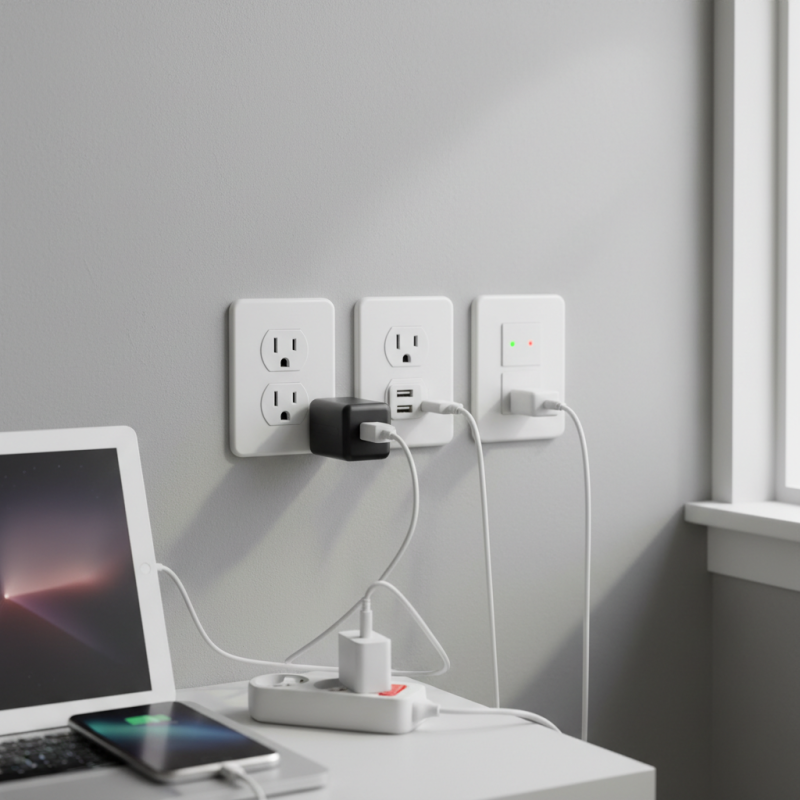
Types of Wall Sockets: Understanding Different Variants for Home Use
Choosing the right wall sockets is crucial for safety and efficiency. There are several types available, each with unique features. Understanding the variants can help you make an informed decision.
Standard wall sockets are common in most homes. They typically support two or three prongs, accommodating various devices. According to industry reports, around 70% of households use this type as it fits most appliances.
For high-demand devices, consider installing dedicated circuits. These sockets handle greater loads, reducing the risk of overheating. However, they require installation by a qualified professional. Regular check-ups can prevent potential hazards, ensuring your home remains safe.
**Tip:** Always choose sockets with built-in safety features. Surge protection sockets can shield devices from power spikes and prolong their lifespan.
USB wall sockets are becoming popular as well. They allow direct charging of devices, convenient for modern lifestyles. Reports indicate that nearly 50% of consumers prefer these for their practicality.
**Tip:** Assess your charging needs before installation. Adding too many sockets in one area may lead to clutter and confusion.
Types of Wall Sockets: Understanding Different Variants for Home Use
Key Considerations for Choosing Wall Sockets: Safety and Compliance
When choosing wall sockets, safety should be your top priority. Check for compliance with local electrical standards. This ensures that the sockets can handle the voltage you’ll use. Poorly designed sockets can lead to short circuits or fires. Look for options with safety shutters. These protect small children from electrical shock.
Consider the materials used in the sockets. High-quality plastic and metal reduce the risk of overheating. Ensure the sockets are rated for the appropriate current. Opting for lower-rated sockets may save money but could be dangerous.
Also, think about the installation. Improper installation can compromise safety. If you're not confident, hiring a professional is wise.
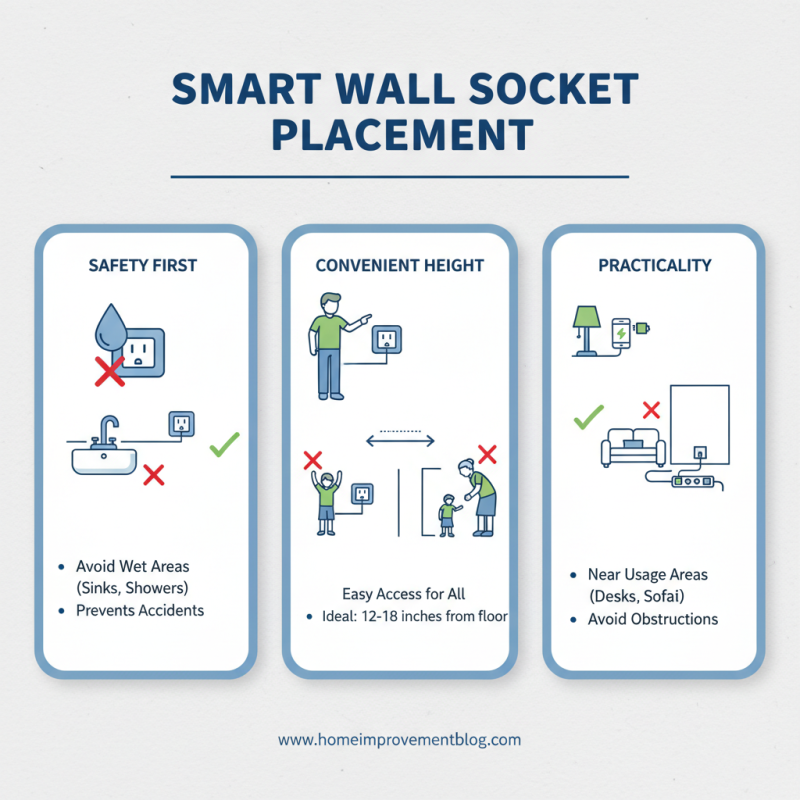
Lastly, don't overlook the importance of location. Sockets should be conveniently placed for daily use. However, avoid overcrowding in one area. Too many devices connected can lead to overload. Reflect on your power needs and plan accordingly to prevent future issues.
Choosing the Right Amperage: How to Match Sockets to Your Appliances
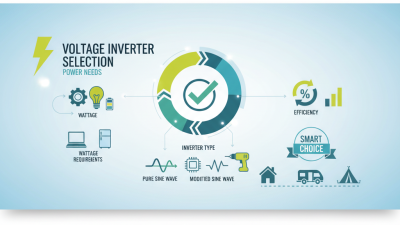
When selecting wall sockets, understanding amperage is crucial. Appliances draw different levels of current. For example, standard home devices typically require 10 or 15 amps. If you choose the wrong amperage, it can lead to inefficient operation or even damage. High-powered devices like air conditioners may need 20 amps. This mismatch could cause overheating or tripped breakers.
Tip: Always check the appliance's rating before purchasing sockets. Most devices will have their amperage labeled, helping you make informed choices.
Moreover, consider your home's electrical system. Older homes may not accommodate high-amperage sockets. This disparity can lead to potential electrical hazards. According to the National Electric Code, installations should match existing wiring capabilities. Many homeowners overlook this aspect, leading to safety risks.
Tip: Consult a professional electrician for an assessment. It ensures compatibility and safety.
While it might seem easier to install standard 15-amp sockets everywhere, it’s crucial to tailor your choices. Poor choices can result in emergency situations. A socket that cannot handle the load may fail unpredictably. Awareness and proper selection are key to a safe and efficient home. Keep your system’s limitations in mind.
Aesthetic Factors: Selecting Wall Sockets that Complement Your Interior
When selecting wall sockets, aesthetics play a crucial role in enhancing your home’s interior. The design of electrical outlets can either blend seamlessly with your decor or stand out in an unsightly manner. Research shows that consumers are increasingly prioritizing aesthetics, with over 75% expressing a preference for decorative outlets. Choosing the right socket styles can elevate your living space's overall look.
Consider color and material when selecting wall sockets. Neutral colors like white or beige may suit minimalist designs. However, more vibrant shades can add personality. A recent survey indicated that 54% of homeowners choose colors that match their wall paint. The material is another noteworthy aspect. Metal or textured finishes can add a modern touch, while classic ceramics can evoke a vintage vibe. Reflect on your existing decor before making a decision.
Not every wall socket is flawless. Some designs may clash with specific styles, diminishing a room’s aesthetic appeal. Additionally, overemphasizing functionality can compromise visual charm. Many overlook the geometry of outlets, which can disrupt a harmonious visual flow. Exploring unconventional shapes might yield more satisfying results. The right choice requires careful contemplation, balancing both function and style.
How to Choose the Right Wall Sockets for Your Home? - Aesthetic Factors: Selecting Wall Sockets that Complement Your Interior
| Socket Type |
Color Options |
Material |
Aesthetic Fit |
Price Range |
| Standard Socket |
White, Black, Beige |
Plastic |
Modern, Minimalist |
$5 - $15 |
| Decorative Socket |
Brass, Silver, Gold |
Metal |
Vintage, Luxurious |
$20 - $50 |
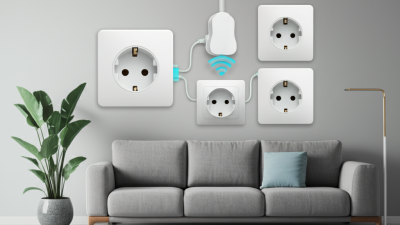
| Smart Socket |
White, Charcoal |
Plastic, Metal |
Futuristic, Tech-Savvy |
$25 - $75 |
| Outdoor Socket |
Green, Gray |
Weatherproof Plastic |
Robust, Practical |
$15 - $40 |
Installation Tips: Ensuring Proper Setup for Optimal Functionality
When installing wall sockets, attention to detail is crucial. Make sure the location is practical. Avoid placing them too close to sinks or wet areas. This can prevent accidents. Consider the height as well. Ideally, sockets should be installed at a convenient level for easy access. Too high or too low can make them hard to reach, especially for children or older adults.
Check the wiring before installation. It needs to be correct and secure. Loose connections can lead to short circuits. If you notice frayed wires, replace them. Covering sockets is also important. Childproof covers can protect younger ones from shocks. Additionally, ensure that the sockets are grounded properly. This step is often overlooked, but it can make a real difference in safety.
Finally, don't rush the process. You might think you can install everything in a day. However, taking your time can help avoid future issues. Mistakes can happen when you hurry. Double-check every connection. Remember, an improperly installed socket can lead to significant problems down the road. This is a task worth doing right.