Essential Tips for Choosing the Right Wall Switches for Your Home
When it comes to designing and enhancing the functionality of your home, the choice of wall switches plays a crucial role that is often overlooked. Wall switches are not merely utilitarian devices; they can influence the overall aesthetic of a room, ensuring that your living space reflects your personal style while providing convenience and efficiency. With a myriad of options available in the market, selecting the right wall switches can be daunting.
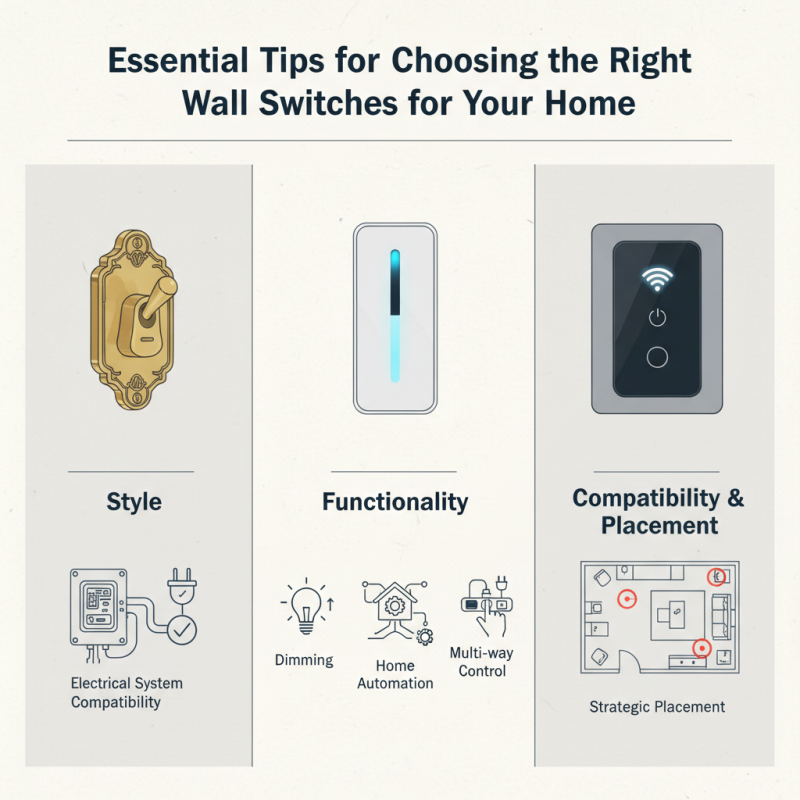
It is essential to consider factors such as style, functionality, and compatibility with your home’s electrical system. Whether you prefer a classic toggle switch, a modern dimmer, or a smart switch that integrates with home automation systems, understanding the various types of wall switches and their features can empower you to make an informed decision. Additionally, proper placement and installation can significantly enhance both the usability and safety of these essential devices, making it imperative to weigh all options carefully. In this guide, we will explore essential tips for choosing the right wall switches for your home, ensuring that you achieve both functionality and a cohesive design that elevates your living environment.
Understanding Different Types of Wall Switches Available in the Market
When it comes to selecting wall switches for your home, understanding the various types available in the market is essential. Wall switches primarily come in several categories, including toggle switches, rocker switches, dimmer switches, and smart switches. According to the latest market research, toggle switches, known for their reliability and classic design, account for a significant portion of residential installations, particularly in older homes. Meanwhile, rocker switches have gained popularity due to their sleek profile and ease of use, making them a common choice in modern designs.
The rise of smart home technology has led to an increase in the adoption of smart wall switches. Reports indicate that the global smart switch market is projected to grow by over 20% annually, reflecting a growing consumer preference for connectivity and automation in home lighting systems. Smart switches not only allow for remote control via smartphones but also enable compatibility with voice-activated home assistants, providing homeowners with versatile options for managing their electrical systems. Additionally, dimmer switches are preferred for their ability to enhance the ambiance of a space, with studies revealing that the ability to control lighting levels can lead to a 10-20% reduction in energy consumption, aligning with modern energy efficiency goals.
Essential Tips for Choosing the Right Wall Switches for Your Home
Understanding the various types of wall switches available in the market can help you make an informed choice for your home. Below is a bar chart illustrating the popularity of different wall switch types based on a survey conducted among homeowners.
Key Factors to Consider When Selecting Wall Switches for Your Home
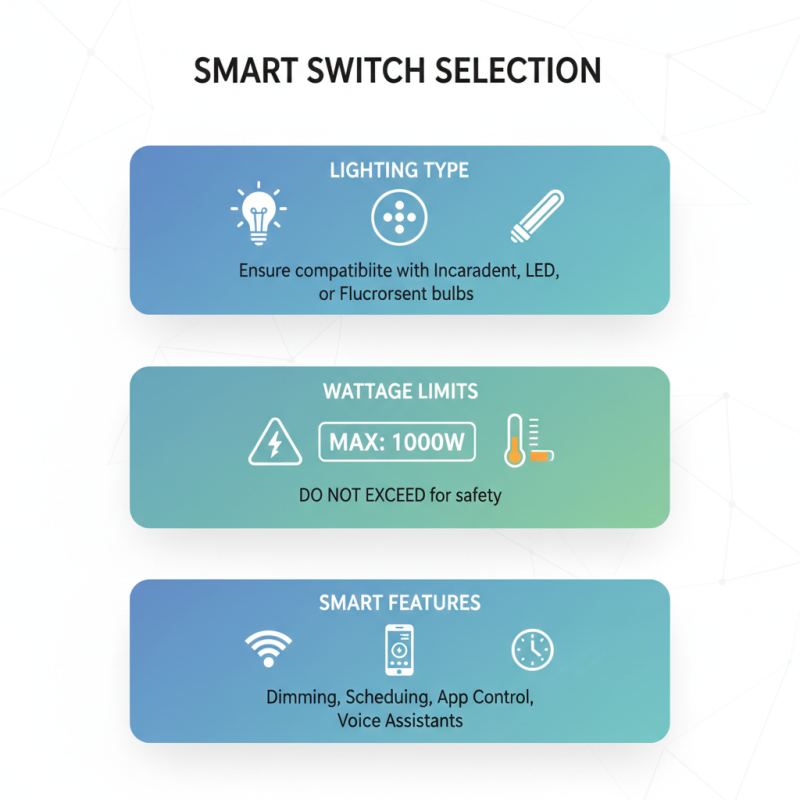
When selecting wall switches for your home, there are several key factors to consider. First and foremost, think about the type of lighting you are using. Different switches are designed for various light fixtures, so ensure compatibility with incandescent, LED, or fluorescent bulbs you plan to use. Additionally, consider the wattage limits of the switches, as exceeding these can lead to safety hazards.
Another important aspect is the style and design of the wall switches. They come in various finishes and sizes, allowing you to match them with your home decor seamlessly. Opt for switches with a design that complements both your interior and exterior aesthetics, ensuring they blend perfectly with your overall design scheme.
Tips: When choosing wall switches, prioritize those with easy-to-use designs. Look for user-friendly features such as illuminated switches in dark areas or rocker switches for effortless operation. Furthermore, consider investing in smart switches if you want to enhance the convenience of modern living. These allow for control through your smartphone or voice, providing an easy way to manage your home lighting efficiently. Always consult with an electrician if you're uncertain about installation requirements or the best options for your space.
Safety Features and Regulations for Wall Switches You Should Know
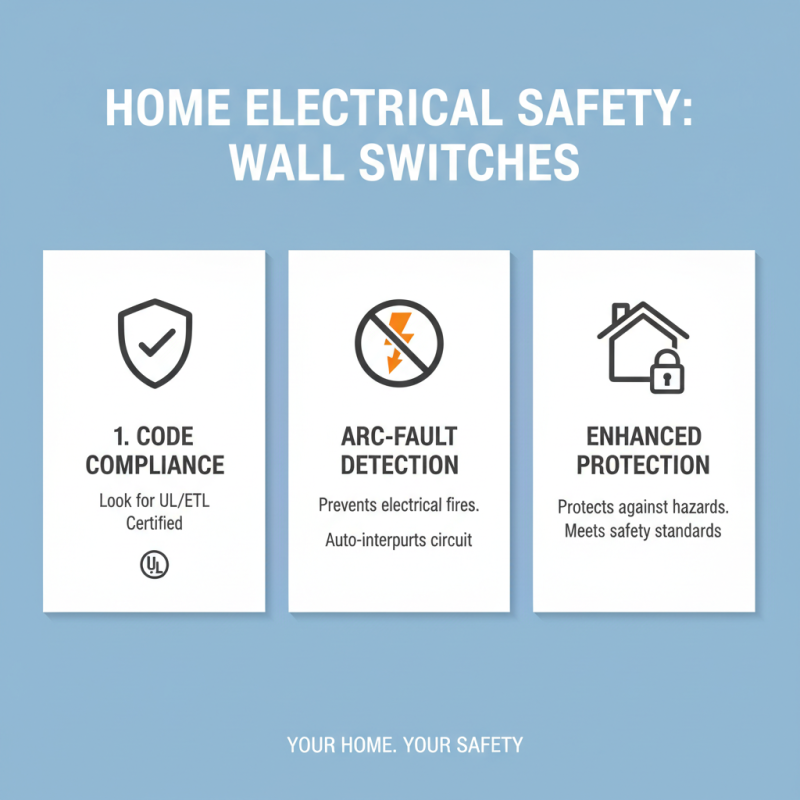
When selecting wall switches for your home, understanding safety features and regulations is paramount. One of the fundamental aspects to consider is the use of switches that comply with current electrical codes. These regulations are set in place to ensure that the installations do not pose any hazards and meet safety standards. For instance, look for switches with built-in arc-fault detection technologies that can prevent electrical fires by interrupting the circuit if an arc is detected.
Another crucial safety feature is the rating of the wall switch. Ensure that the switch is rated for the maximum voltage and current it will handle in your home. This is especially important in areas like kitchens and bathrooms, where moisture could lead to short circuits. Installing weatherproof switches in these locations can further enhance safety, protecting against humidity and accidental splashes.
When choosing wall switches, consider the ease of use as an integral part of safety. Look for switches that offer a tactile feel, allowing users to easily locate and operate them, even in low-light situations. It's also beneficial to opt for switches with illuminated features, as they help guide you safely in the dark. Taking these tips into account can help ensure that your wall switches not only function effectively but also contribute to a safer home environment.
Aesthetic Considerations: Matching Wall Switches with Home Decor
When selecting wall switches for your home, aesthetic considerations play a crucial role in creating a cohesive decor scheme. Wall switches are often overlooked, yet they can significantly enhance or detract from the overall design. It's essential to choose switches that complement your existing decor style, whether that’s modern, traditional, or eclectic. For instance, sleek, minimalistic switches work well in contemporary settings, while ornate designs with decorative plates can elevate the charm of traditional interiors.
Color and finish are equally important in achieving harmony within your space. Opting for finishes that blend with your walls or cabinetry can create a seamless look, while contrasting colors can make a bold statement. For example, a matte black switch can add elegance to light-colored walls, while a brass finish can provide a warm accent against darker shades. Consider the textures and materials of your other home features—such as lighting fixtures and furniture—when making your selections. This attention to detail can elevate mundane fixtures into stylish elements of your home’s design narrative.
Essential Tips for Choosing the Right Wall Switches for Your Home - Aesthetic Considerations: Matching Wall Switches with Home Decor
| Switch Type |
Material |
Color Options |
Recommended Style |
Best For |
| Toggle Switch |
Plastic |
White, Black, Ivory |
Traditional, Vintage |
Classic Homes |
| Dimmer Switch |
Metal |
Chrome, Brass, White |
Modern, Chic |
Living Rooms, Bedrooms |
| Smart Switch |
Glass, Plastic |
Black, White, Custom Colors |
Minimalist, Tech-savvy |
Smart Homes |
| Rocker Switch |
Plastic, Metal |
White, Gray, Blue |
Contemporary, Sleek |
Modern Apartments |
| Push Button Switch |
Plastic |
White, Black |
Retro, Industrial |
Loft Spaces |
Installation Tips for Wall Switches: DIY or Hire a Professional?
When it comes to wall switch installation, homeowners often find themselves at a crossroads: should they take the DIY route or hire a professional? According to the National Electrical Contractors Association (NECA), a significant 40% of homeowners opt for professional help, primarily due to the complexity of modern electrical systems. Hiring a licensed electrician not only ensures compliance with local building codes but also enhances safety. They typically bring expertise that can prevent potential hazards that an untrained individual may overlook, such as improper grounding or overloaded circuits.
On the flip side, the DIY approach can be tempting for those looking to save on labor costs. The DIY Network reports that the average cost of hiring an electrician can range from $50 to $100 per hour, which can accumulate quickly depending on the scope of work. However, homeowners should consider their own skill level and the specifics of their electrical systems before making a decision. For instance, if you have basic knowledge of electrical work and the necessary tools, installing a simple toggle switch may be manageable. Educational resources from the Electrical Safety Foundation International emphasize the importance of understanding not only the installation process but also safety precautions, as incorrect installations can lead to fire hazards and equipment damage.