How to Fix a Breaker Switch: Troubleshooting Tips and Solutions
In the realm of electrical systems, the importance of a functional Breaker Switch cannot be overstated. As industry expert John Miller, a certified electrician with over 15 years of experience, once remarked, "A well-maintained Breaker Switch is essential for both safety and efficiency in any electrical setup." Troubleshooting issues with breaker switches can seem daunting, but understanding common problems and their solutions is crucial for both homeowners and professionals alike.
When a breaker switch trips unexpectedly or fails to reset, it can lead to frustration and potential safety hazards. This complexity requires a methodical approach to diagnosis and repair. By delving into the intricacies of breaker switch operations, we uncover practical tips and strategies to tackle these electrical issues head-on. Addressing the root causes of breaker failures not only enhances the reliability of electrical systems but also ensures a safer living environment. As we explore troubleshooting techniques, it is vital to equip ourselves with the knowledge needed to restore functionality to this critical component.
Understanding Breaker Switches and Their Functionality
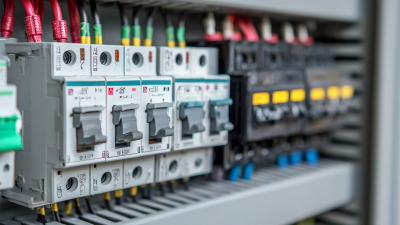
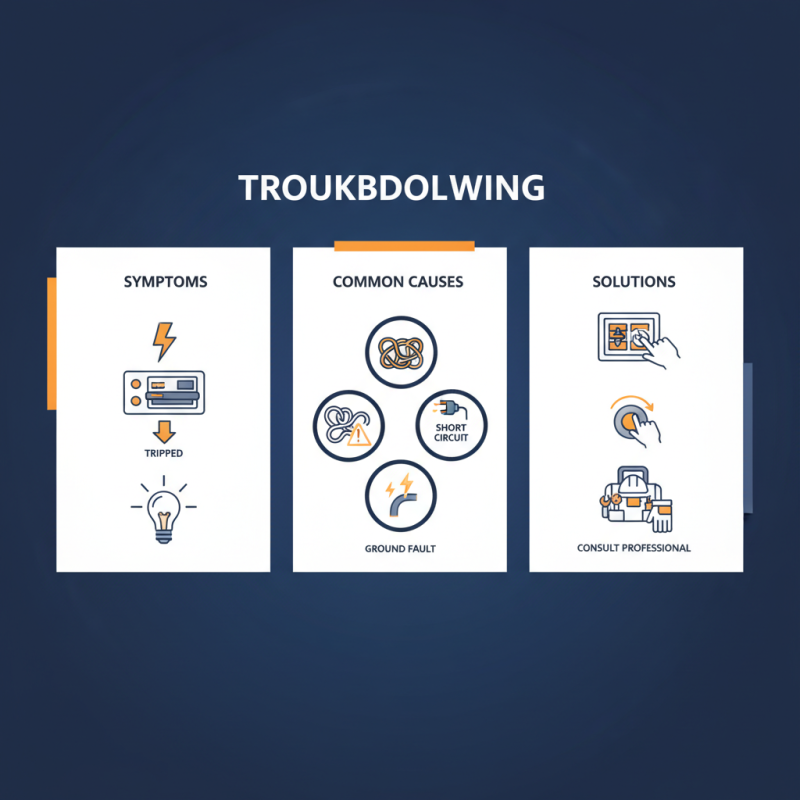
Understanding breaker switches and their functionality is crucial for anyone looking to troubleshoot electrical issues in their home or office. A breaker switch, commonly known as a circuit breaker, acts as an automatic switch that interrupts the flow of electricity when a fault is detected. This safety mechanism helps prevent overloads and electrical fires by cutting off the power supply to circuits that exceed their rated capacity. Whether dealing with a tripped breaker or replacing an old unit, knowing how these switches work lays the groundwork for effective troubleshooting.
When troubleshooting a breaker switch, always begin by checking if the switch has tripped. If the breaker is in the "off" position or the switch lever is halfway between the two positions, it indicates a potential issue. Resetting the breaker is often the first step, but ensure you identify and resolve any underlying problems before doing so. For example, if there’s an overload, disconnect any appliances on the affected circuit before resetting the breaker.
Additionally, inspect the wiring for any visible damage or loose connections, as these can lead to malfunctions. Always prioritize safety by turning off the main power before conducting any examination. If you encounter persistent issues or feel uncertain about the repairs, consulting with a licensed electrician is a wise choice to ensure compliance with safety standards and proper resolution of the issue.
Common Signs of a Faulty Breaker Switch
A faulty breaker switch can often be identified through several common signs that indicate it may be time for a repair or replacement. One of the most noticeable signs is frequent tripping. If your breaker switch trips repeatedly even when the connected circuits are not overloaded, it may imply a malfunction within the breaker itself. This can lead to frustrating power outages and should prompt an immediate inspection.
Another key indicator of a faulty breaker switch is the presence of unusual sounds. If you notice buzzing, crackling, or popping noises coming from the breaker panel, these could signal a serious issue. Such sounds often suggest that there is a loose connection or that the breaker is struggling to handle the electrical load, which can lead to overheating or even electrical fires. Additionally, any signs of physical damage, like burn marks or melted components on the breaker or panel, should never be ignored as these pose significant safety risks. Addressing these symptoms early can help prevent further complications and ensure the safety of your electrical system.
How to Fix a Breaker Switch: Troubleshooting Tips and Solutions - Common Signs of a Faulty Breaker Switch
| Common Signs of a Faulty Breaker Switch |
Possible Causes |
Troubleshooting Tips |
Solutions |
| Breaker frequently trips |
Overloaded circuit |
Reduce the number of devices on the circuit. |
Redistribute loads or upgrade the circuit. |
| Discoloration or burns around breaker |
Overheating due to loose connections |
Turn off power and check connections. |
Tighten connections or replace the breaker. |
| Buzzing or crackling sounds |
Electrical arcing |
Inspect the breaker and wiring for damage. |
Replace the breaker or repair wiring. |
| Breaker feels warm to the touch |
High load or faulty breaker |
Disconnect some appliances and check temperature. |
Consider upgrading breaker to a higher rating. |
| Inconsistent power to appliances |
Faulty breaker or circuit issues |
Test the breaker with a multimeter. |
Replace the breaker if found faulty. |
Step-by-Step Guide to Troubleshoot Your Breaker Switch
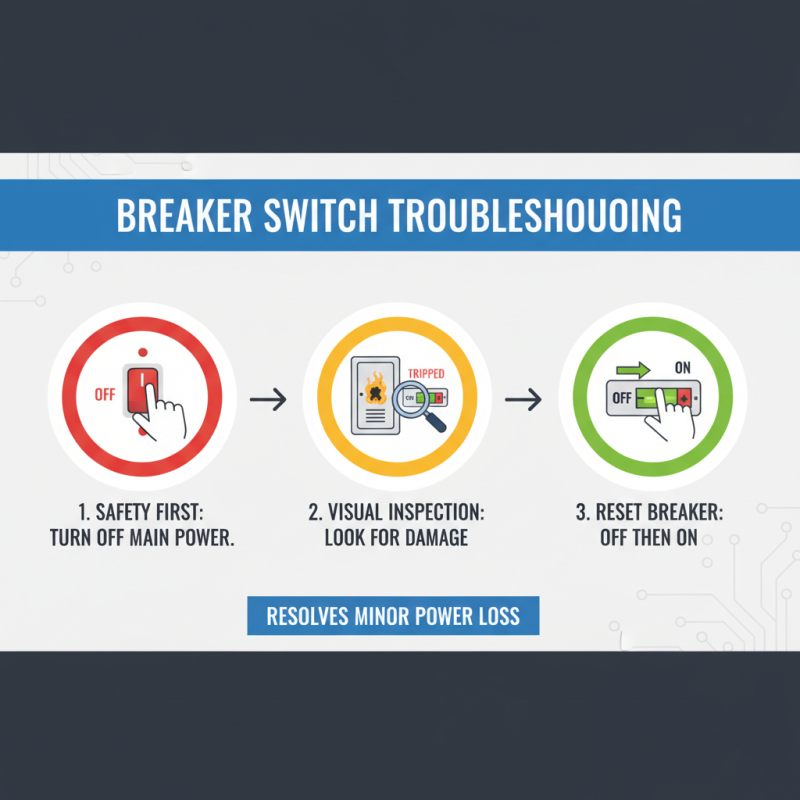
When troubleshooting a breaker switch, the first step is to ensure your safety by turning off the main power supply. Once the power is off, visually inspect the breaker panel for any obvious signs of damage, such as burnt components or tripped breakers. If a breaker appears to be tripped, it can usually be reset by pushing it fully to the OFF position and then back to the ON position. This simple action can often resolve minor issues that cause intermittent power loss.
If the breaker trips again immediately after resetting, it indicates a deeper issue, possibly a short circuit or overload in your electrical system. Begin by checking the appliances or devices connected to the circuit. Unplug all devices and reset the breaker again. If the breaker maintains its position, reconnect devices one at a time to identify the faulty appliance. Alternatively, if the problem persists without any devices attached, it may be necessary to consult a qualified electrician for further diagnosis, as the issue could stem from wiring problems or the breaker itself being faulty.
Safety Precautions to Take Before Working on a Breaker
Before attempting to fix a breaker switch, it’s crucial to prioritize safety. Begin by turning off the main power supply to the electrical panel to avoid any chance of electrocution or accidental shock. Use a voltage tester to confirm that there is no electrical current flowing to the breaker you will be working on. This step is vital; even a minor mistake can lead to serious injury. Additionally, ensure that you are wearing appropriate personal protective equipment, such as insulated gloves and safety goggles, to further minimize risks.
Another important precaution is to keep the workspace clear of any clutter and to have necessary tools readily accessible. Make sure your hands are dry and that the floor is not wet, to prevent slips and falls. It's also advisable to have someone nearby, especially if you’re unfamiliar with electrical systems. They can assist in emergencies or help by calling for help if needed. Finally, always refer to the system guidelines or consult a professional if you encounter unexpected issues that are beyond your expertise. Taking these precautions can ensure a safer working environment while addressing the problems with your breaker switch.
Breaker Switch Troubleshooting Data
This chart illustrates the frequency of common issues encountered when troubleshooting breaker switches. Overloaded circuits are the most frequent problem reported, followed by short circuits and ground faults. Worn-out breakers and loose connections are less common but still significant.
When to Call a Professional Electrician for Breaker Issues
When dealing with breaker issues, knowing when to call a professional electrician is crucial for safety and efficiency. If you notice frequent tripping, it may indicate an underlying problem that could lead to more severe electrical issues, such as short circuits or overloads. An electrician can diagnose these problems safely, ensuring that your electrical system is up to code and functioning properly.
Tip: Regularly inspect your breaker panel for signs of wear or damage, such as discoloration or a burning smell. If you notice any of these signs, it’s essential to contact a professional immediately to assess the situation.
Some scenarios clearly warrant the expertise of a trained electrician. For example, if you attempt to reset your circuit breaker multiple times and it continues to trip, or if a single breaker can’t supply power to multiple outlets, this indicates a more serious issue that should not be ignored. An electrician can provide a comprehensive assessment and address any potential safety hazards effectively.
Tip: If you’re uncertain about your ability to handle electrical issues, trust your instincts. It’s always better to be safe and let a professional tackle the concern, especially if it involves complicated wiring or potential fire hazards.