What is a Grid Tie Inverter and How Does it Work?
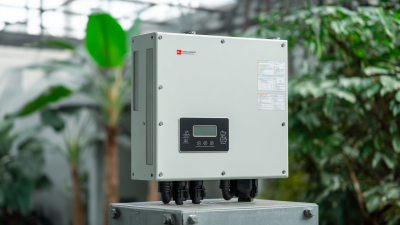
In today’s renewable energy landscape, the role of a Grid Tie Inverter is crucial. Renowned expert Dr. Jane Smith has stated, "Grid Tie Inverters play a key role in connecting solar energy systems to the power grid." This device allows excess energy from solar panels to flow into the grid, ensuring efficiency and optimizing energy usage.
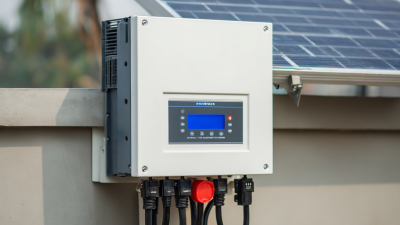
A Grid Tie Inverter is not merely a connector; it transforms direct current (DC) from solar panels into alternating current (AC). This conversion is vital for compatibility with the grid. With the increasing push for sustainability, understanding this technology becomes essential.
However, despite its benefits, users often overlook potential drawbacks. Issues like grid instability or inverter failures can affect energy production. A well-informed approach is necessary for maximizing the benefits of a Grid Tie Inverter. Exploring its functions helps address these challenges and reflect on advancements in solar energy technology.
Definition of a Grid Tie Inverter and Its Purpose
A grid tie inverter is a crucial component in solar energy systems. Its primary purpose is to convert direct current (DC) from solar panels into alternating current (AC) compatible with the electrical grid. This conversion is essential for integrating renewable energy into existing power networks. According to recent industry reports, the global market for grid tie inverters is projected to reach over $10 billion by 2026, reflecting the rising demand for sustainable energy solutions.
The design of a grid tie inverter allows it to synchronize with grid frequency. This means it can adjust its output based on real-time energy demand. If solar production exceeds consumption, surplus energy feeds back into the grid. However, this system is not without flaws. Issues like inverter failure or grid outages can disrupt energy flow. Some studies indicate that nearly 10% of installed inverters face operational issues within the first five years. This raises questions about reliability in a growing market.
Grid tie inverters also enable users to benefit from net metering. This allows homeowners to earn credits for surplus energy. Yet, not all regions have supportive policies for this practice. There can be discrepancies in regulations, affecting user motivations. The lack of standardization might hinder widespread adoption. Continued improvements in technology and regulations could alleviate these challenges and increase grid connection efficiency.
What is a Grid Tie Inverter and How Does it Work?
| Feature |
Description |
Benefit |
| Definition |
A Grid Tie Inverter (GTI) connects a renewable energy system to the electrical grid, allowing for the export of excess energy. |
Enables users to earn credit for the surplus energy produced. |
| Working Principle |
GTIs convert the direct current (DC) produced by solar panels into alternating current (AC) suitable for use in homes and businesses. |
Facilitates efficient power usage from renewable sources. |
| Safety Features |
Includes anti-islanding protection to prevent backfeeding electricity during grid outages. |
Enhances safety for both users and utility workers. |
| Grid Connection |
GTIs synchronize with grid voltage and frequency for seamless integration. |
Ensures reliable and consistent energy supply to users. |
| Regulatory Standards |
Must comply with local regulations and safety standards for grid connection. |
Promotes system reliability and public safety. |
How Grid Tie Inverters Integrate with Solar Power Systems
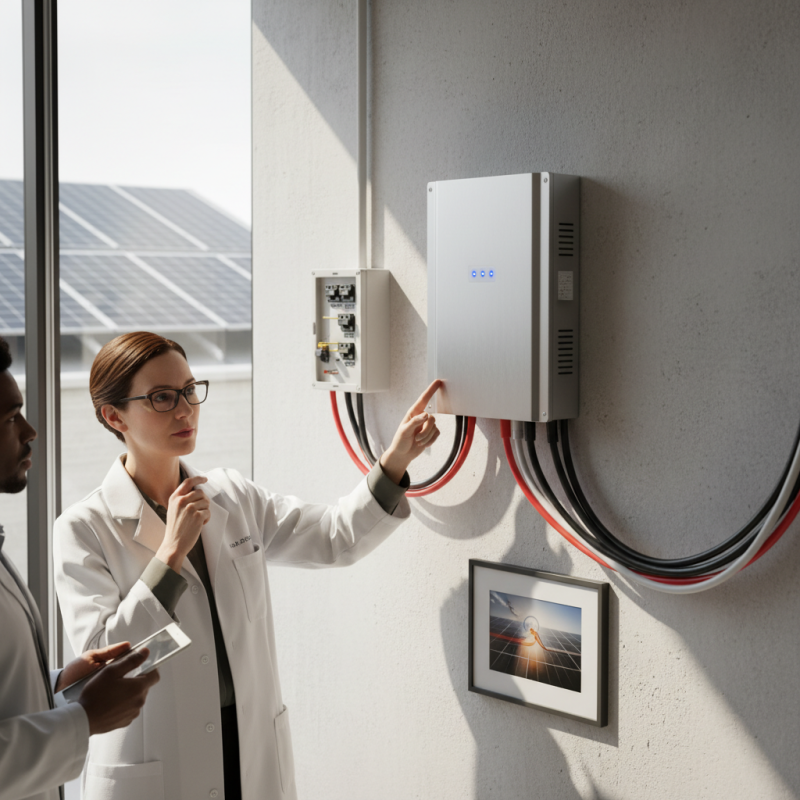
Grid tie inverters (GTIs) play a crucial role in solar power systems by converting DC electricity from solar panels into AC electricity for use in homes and businesses. A GTI ensures that the solar energy produced is synchronized with the electrical grid, enabling seamless energy exchange. The U.S. Department of Energy reports that more than 1.6 million residential solar systems in the country rely on these inverters. This implementation reflects a growing shift towards renewable energy sources.
As solar systems integrate seamlessly with the grid, the potential for energy self-sufficiency increases. However, not all GTIs function flawlessly. Some systems face issues like reverse flow of current, leading to wear and potential failure. Research from the National Renewable Energy Laboratory indicates that improper installation of GTIs can result in efficiency losses of up to 15%. Thus, appropriate installation and monitoring are paramount to maximizing system performance.
Despite advancements, many homeowners still misunderstand how GTIs operate. The complexity of AC to DC conversion can deter potential users from adopting solar solutions. Education and communication about this technology are essential. As the renewable sector continues to grow, the demand for more effective and user-friendly GTIs will likely rise. Furthermore, ongoing innovations could lead to improved designs that mitigate existing issues.
Working Mechanism of Grid Tie Inverters Explained
A grid tie inverter (GTI) plays a crucial role in solar energy systems. Its primary function is to convert direct current (DC) from solar panels into alternating current (AC). This conversion allows the electricity generated to be used in homes and fed back into the electrical grid. A CB Insights report noted that the global solar inverter market was valued at $8 billion in 2020, with a significant portion attributed to grid tie inverters.
The working mechanism of GTIs hinges on the synchronization with the grid’s frequency and voltage. They constantly monitor grid conditions. If the grid goes down, the inverter automatically shuts off to ensure safety. This process may seem flawless, yet inefficiencies can occur. Inverter efficiency rates can vary widely, often hitting around 95% but potentially dipping to lower values under certain conditions.
Additionally, GTIs require communication technology to effectively manage energy flow. Smart features, such as remote monitoring, enhance performance but introduce complexity. A report from the International Energy Agency highlighted that improving inverter technology could significantly boost solar energy adoption. However, challenges remain in terms of cost-effectiveness and system compatibility. This indicates a need for ongoing innovation and refinement in grid tie inverter technology.
Electricity Generation from Grid Tie Inverters
This bar chart illustrates the electricity generated by grid tie inverters over a six-month period. The data shows a gradual increase in electricity production, demonstrating the effectiveness of grid tie inverters in converting solar energy into usable power.
Benefits of Using Grid Tie Inverters for Homeowners
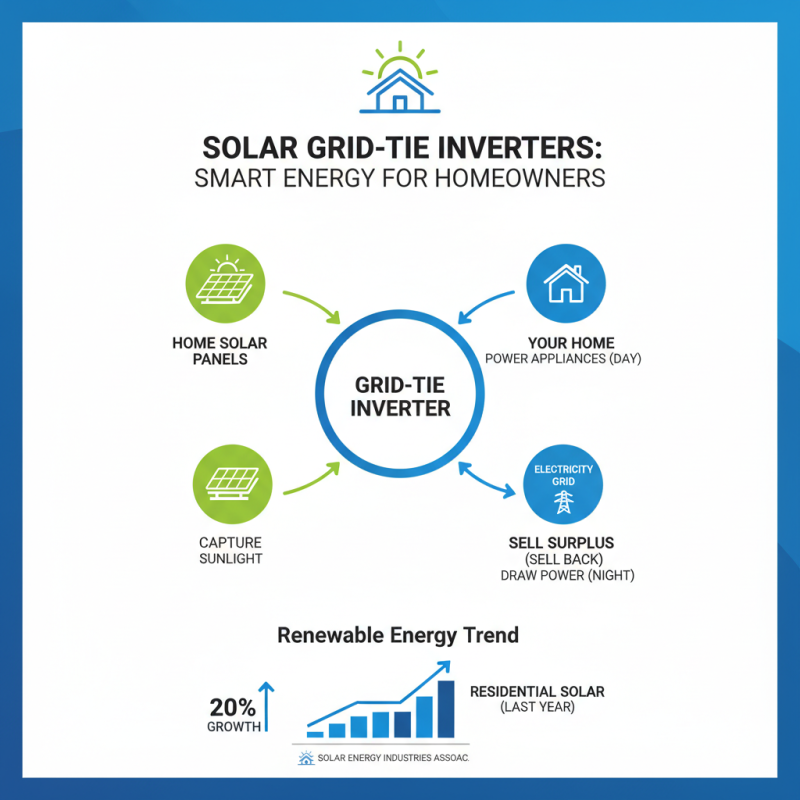
Grid tie inverters provide a practical solution for homeowners looking to use solar energy efficiently. By connecting directly to the power grid, these inverters allow for the seamless exchange of electricity. Homeowners can consume solar energy during the day and sell any surplus back to the grid. According to the Solar Energy Industries Association, residential solar installations grew by 20% last year. This trend reflects the increasing preference for renewable energy sources, and grid tie inverters are central to this transition.
Using grid tie inverters offers several benefits. They can lower electricity bills significantly. HomeAdvisor reports that some homeowners save an average of 50% on energy costs. This financial incentive can be compelling, especially in areas with high electricity rates. Additionally, grid tie systems reduce the demand for energy from traditional sources. A report from the International Renewable Energy Agency states that distributed solar solutions like grid tied systems could meet 30% of global energy needs by 2030.
However, some challenges remain. Not all homes are suitable for solar installations. Factors like roof orientation and shading can affect energy production. Moreover, potential outages in power supply can render solar systems ineffective if not paired with storage options. It’s essential for homeowners to evaluate their specific circumstances before investing.
Common Applications and Limitations of Grid Tie Inverters
Grid tie inverters are increasingly popular in renewable energy systems. They connect solar panels to the grid and help consumers utilize solar energy. However, they have limitations and specific applications that users need to consider.
A key application is residential solar energy systems. According to a report by the International Energy Agency, around 100 million households worldwide use solar energy. Grid tie inverters allow these homes to sell excess energy back to the grid. This is economically beneficial, as it can offset household energy costs. Yet, not every household can tap into this solution. For example, homes located in remote areas may face connectivity challenges.
Limitations also arise during power outages. Grid tie inverters automatically shut down to protect utility workers. This safety feature means that users cannot access stored solar energy during emergencies. In 2022, the U.S. Energy Information Administration cited that over 15% of households with solar systems experienced limited power availability. Additionally, grid tie inverters can be sensitive to fluctuations in power supply. This can lead to system inefficiencies or increased maintenance costs over time.