What are Home Sockets and How to Choose the Right One?
Choosing the right home sockets is essential for both functionality and safety. As electrical engineer Sarah Thompson states, "Quality home sockets can prevent accidents and ensure smooth operations." With so many options, selecting suitable home sockets may feel overwhelming. It's crucial to understand the different types available and their specific applications.
Home sockets serve as the interface between our devices and the electrical supply. Poor choices can lead to issues, such as overheating or device malfunction. In some cases, choosing the wrong socket type may result in power surges or even electrical fires. It's vital to consider various factors, including voltage, amperage, and compatibility with devices.
Many people overlook the importance of quality. Not all sockets are created equal. Investing in reputable brands may lead to long-term benefits. A reliable socket can withstand daily wear and tear. Think about your usage patterns and the specific needs of your devices. Remember, informed decisions in choosing home sockets can enhance safety and improve performance.
What Are Home Sockets? A Comprehensive Overview of Their Function
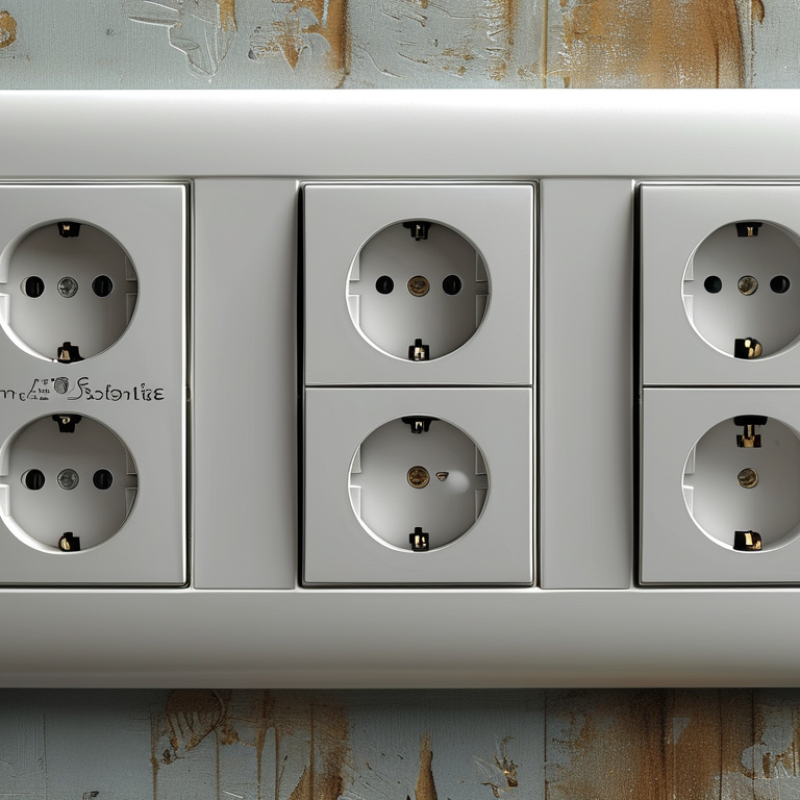
Home sockets are essential components in every household. They allow us to connect various appliances to the electrical grid. Understanding their types and functions can significantly enhance your home's efficiency and safety.
When choosing a home socket, consider factors like the voltage and amperage needs of your devices. Different areas require different socket types, depending on local electrical standards. For instance, a kitchen might need outlets that can handle high-power appliances, while living rooms may require standard ones. It’s important to check if the socket you choose fits your home’s aesthetics while also ensuring safety features are present.
Many people overlook the quality of materials used in sockets. Low-quality options can lead to electrical hazards. Regularly inspect your sockets for signs of wear, such as discoloration or looseness. If your sockets heat up excessively, it might be time for a replacement. Making informed choices about home sockets impacts not just your convenience, but also the safety of your family.
Types of Home Sockets: Understanding Variants and Their Specifications
When selecting home sockets, understanding their types is crucial. There are several common variants, each designed for specific needs. For instance, standard sockets are prevalent in many households. They typically support devices under 10A. In contrast, heavy-duty sockets handle larger loads, making them ideal for appliances like refrigerators and washing machines.
Data from the International Electrotechnical Commission (IEC) reveals that around 58% of electrical fires stem from faulty sockets. This statistic highlights the importance of proper choice and installation. Additionally, newer socket designs often incorporate safety features, such as surge protection. These features reduce the risk of damage to sensitive electronics.
With advancements in technology, smart sockets have emerged. They allow remote control via smartphone apps. Reports show that smart home technology is expected to grow by 25% annually. However, compatibility can be an issue. Not all devices work seamlessly with every smart socket. Thus, careful consideration is necessary when choosing the right type for your home.
What are Home Sockets and How to Choose the Right One? - Types of Home Sockets: Understanding Variants and Their Specifications
| Type |
Description |
Voltage (V) |
Amperage (A) |
Common Uses |
| Type A |
Two flat parallel pins |
120 |
15 |
North America, small appliances |
| Type B |
Two flat parallel pins and a grounding pin |
120 |
15-20 |
North America, home and office |
| Type C |
Two round pins |
230 |
2.5 |
Europe, most electronics |
| Type D |
Three round pins in a triangular pattern |
230 |
5 |
India, older appliances |
| Type G |
Three rectangular pins forming a triangle |
230 |
13 |
United Kingdom, high-power devices |
Key Factors to Consider When Choosing the Right Home Socket
When selecting home sockets, safety and functionality are vital. Start by considering the electrical load that your devices require. Sockets come with varying amp ratings. Ensure that the socket can handle the total load without overheating or causing circuit failures. Checking the compatibility of your appliances with the sockets is crucial for optimal performance.
Another factor is the number of ports. Some rooms may need multiple sockets. Having extra outlets can reduce the need for extension cords, which can create safety hazards. Assess your needs based on your lifestyle. For example, if you frequently charge multiple devices, a socket with USB ports could be useful.
As you make your decision, pay attention to the socket type and design. Some designs blend well with your home décor, while others may be purely functional. Experimenting with various styles might lead to an unexpectedly good fit. Keep in mind that some sockets may not be suitable for high humidity areas like bathrooms. This can raise safety concerns and may require additional adjustments. Following these tips will guide you in making a reliable choice for your home sockets.
Safety Standards and Regulations for Home Socket Installation
When considering home socket installation, safety standards play a crucial role. Adhering to regulations ensures that your sockets prevent electrical accidents. The wiring must be done properly. Using subpar materials can lead to hazards. Always check local codes for specific requirements in your area. This compliance is not just about legality; it’s about protecting lives.
Every area has different standards. In many regions, grounding and surge protection are mandatory. These features safeguard against electrical faults. Homeowners should prioritize sockets that meet these criteria. Professional installation is essential as well. Even minor errors can create dangerous situations. Sometimes, it’s easy to overlook the importance of using qualified electricians. This step saves you from potential disasters.
Choosing sockets isn't just about aesthetics or cost. It's essential to consider their practicality and safety. Poor-quality sockets can lead to overheating. This might not be apparent at first glance. Always look for signs of wear and damage over time. Installing a socket without proper knowledge can be risky. Reflect on how vital it is to ensure your home’s electrical system is sound.
Future Trends in Home Socket Technology and Energy Efficiency
As the demand for energy efficiency increases, home socket technology is evolving. Future sockets may integrate smart features. These innovations can automate energy management. They allow users to monitor and optimize power use easily.
Emerging trends include sockets that adapt based on usage patterns. For instance, they might limit power to devices during peak hours. This could reduce energy costs and environmental impact. However, the effectiveness of these systems relies heavily on user engagement. Not everyone actively monitors their energy consumption.
Energy-efficient sockets may also feature advanced materials. These can improve durability while enhancing performance. Yet, questions remain about the initial costs versus long-term savings. Users must weigh convenience against potential budget concerns. Embracing new technology can be a challenging yet worthwhile transition for many households.
Energy Efficiency of Home Socket Types (2023)