2026 How to Choose the Right Energy Inverter for Your Needs
Choosing the right Energy Inverter can greatly impact your power needs. According to Dr. Emily Carter, an expert in renewable energy technology, "Selecting the correct inverter ensures efficiency and reliability." This statement underscores the importance of making informed choices in a complex market.
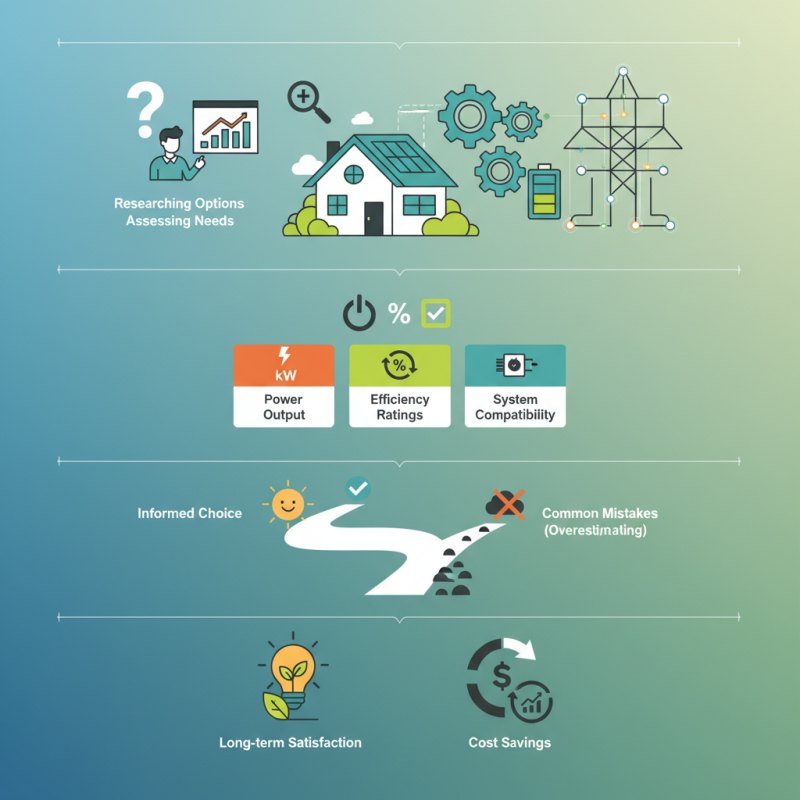
Energy Inverters come in various types and sizes. Understanding these differences is crucial for homeowners and businesses alike. Many consumers struggle to assess their specific energy requirements. A common mistake is overestimating power needs, leading to unnecessary expenses.
Researching options helps clarify personal energy goals. It’s vital to consider factors like power output, efficiency ratings, and compatibility with existing systems. Making a choice may seem daunting. However, acknowledging uncertainties can guide more effective decision-making. Each choice has its implications. Thus, a thoughtful approach is essential for long-term satisfaction with your Energy Inverter.
Factors to Consider When Choosing an Energy Inverter
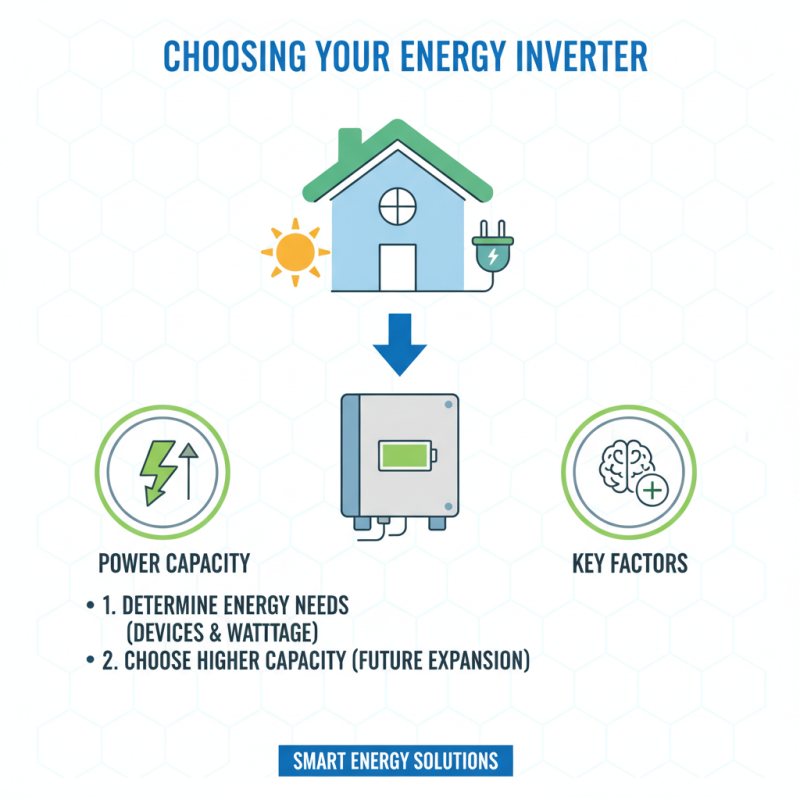
Choosing the right energy inverter involves several critical factors. Power capacity is essential. First, determine your energy needs. Consider your devices and their wattage. You need an inverter that can handle this demand. If unsure, it’s wise to choose a model with a higher capacity. This allows for future expansions or additional devices.
Battery compatibility is another vital aspect. Not all inverters work with every battery type. Check the inverter's specifications. Look for compatibility with the batteries you own or plan to purchase. While universal options exist, they may not always perform optimally. Test out different setups to find what suits your needs the best.
Installation and portability can't be overlooked. Some inverters are easy to install, while others require professional help. Think about where you'll use it. If you need mobility, choose a lightweight design. However, ensure it remains durable. Remember that your choice should align with your lifestyle and energy habits.
Types of Energy Inverters and Their Applications
When choosing an energy inverter, understanding the different types is crucial. There are primarily three main types: pure sine wave, modified sine wave, and square wave inverters. Pure sine wave inverters produce a clean and stable output, making them ideal for sensitive electronics like laptops and medical devices. Modified sine wave inverters are more budget-friendly and work for common appliances but may not suit delicate equipment. Square wave inverters are the least expensive but are often not recommended due to their inefficiency and potential harm to devices.
Tips: Consider your devices. Check their power requirements before making a decision. It's also essential to think about your future needs. Will you expand your system later? This can influence your inverter choice.
Look for inverters with features that match your lifestyle. Some inverters come with built-in protections against overload or short-circuit. This adds safety, and it’s a critical consideration. However, many users overlook these details, leading to issues later. Don't rush your decision. Take the time to research and understand what suits your needs best.
How to Choose the Right Energy Inverter for Your Needs
| Inverter Type |
Power Range (W) |
Application |
Efficiency (%) |
Cost (USD) |
| Pure Sine Wave Inverter |
300 - 5000 |
Home Appliances, Medical Equipment |
90 - 95 |
$200 - $1200 |
| Modified Sine Wave Inverter |
150 - 3000 |
Power Tools, Basic Electronics |
80 - 85 |
$100 - $800 |
| Grid-Tie Inverter |
1000 - 10000 |
Solar Energy Systems |
95 - 98 |
$500 - $3000 |
| Off-Grid Inverter |
300 - 6000 |
Remote Locations, RVs, Boats |
85 - 90 |
$300 - $1500 |
| Inverter Charger |
400 - 5000 |
Home Backup Systems |
90 - 93 |
$400 - $2500 |
Understanding Inverter Specifications and Performance Ratings
When selecting an energy inverter, understanding specifications is crucial. An inverter's efficiency rating indicates how well it converts DC to AC power. Look for high efficiency. It saves energy and money in the long run.
Power capacity is another key factor. Rated in watts, it shows how much load the inverter can handle. Determine your energy needs. Too small an inverter may struggle, while a large one may be wasted. It's essential to find that balance.
Additional features can also impact performance. Consider options like surge capacity. This helps when starting heavy appliances. Some inverters come with built-in protections, which enhance safety. Don't overlook these features; they make a difference. Reflect on your actual usage. It’s easy to overestimate needs. A thorough evaluation will guide you to the right choice.
Tips for Maintenance and Troubleshooting Your Energy Inverter
When it comes to maintaining your energy inverter, regular checks are essential. Dust and debris can accumulate on the unit. This build-up can hinder its performance and efficiency. Take time to clean the inverter regularly. Use a soft brush or cloth to wipe away any dirt. Pay extra attention to ventilation openings. Blocked vents can lead to overheating.
Troubleshooting common issues is an important skill. If your inverter shows an error code, consult the user manual. Often, these codes indicate simple problems. For instance, low battery voltage might just need a recharge. If the inverter beeps continuously, it may require a reset.
Disconnect it from power, wait a few moments, then reconnect.
Check connections frequently. Loose wires can cause disruptions. Ensure all connectors are tight and corrosion-free. Sometimes, issues arise from outdated firmware. Regular updates can enhance performance and safety. If you are unsure, reach out to a professional for help. Regular maintenance prevents bigger problems later.