What is a Mobile Inverter and How Does it Work?
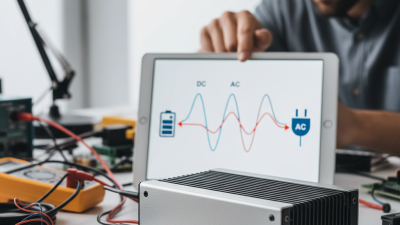
As our dependence on portable power grows, the role of the Mobile Inverter becomes critical. According to a recent report by MarketsandMarkets, the global market for inverters is projected to reach $18 billion by 2026, with mobile inverters playing a significant part in this expansion. These devices convert DC power from a battery into AC power, enabling users to operate standard household appliances while on the go.
David Carter, an expert in renewable energy solutions, emphasizes, "Mobile inverters are a game-changer for outdoor adventures and emergency preparedness." This statement underlines the practicality of mobile inverters in various scenarios. However, some users find complexity in choosing the right product. Not all mobile inverters fit every need. Energy output, safety features, and size vary widely.
While the mobile inverter market is booming, challenges remain. Not every manufacturer meets quality standards, causing confusion among consumers. It's essential to research and understand the specifications before making a purchase. This understanding will ensure you select a mobile inverter that truly meets your power requirements for an efficient and reliable energy solution.
What is a Mobile Inverter?
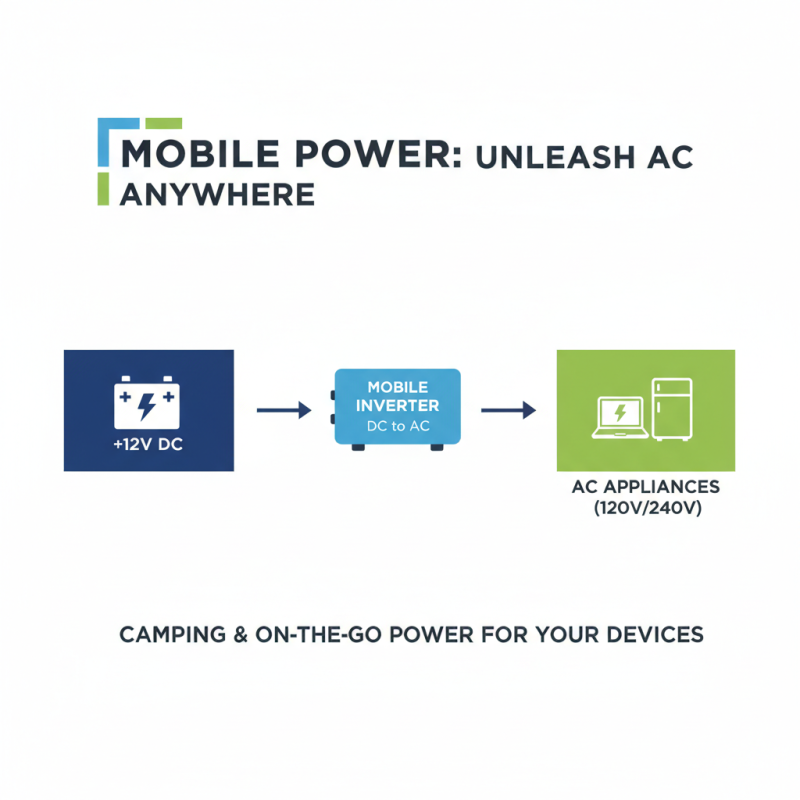
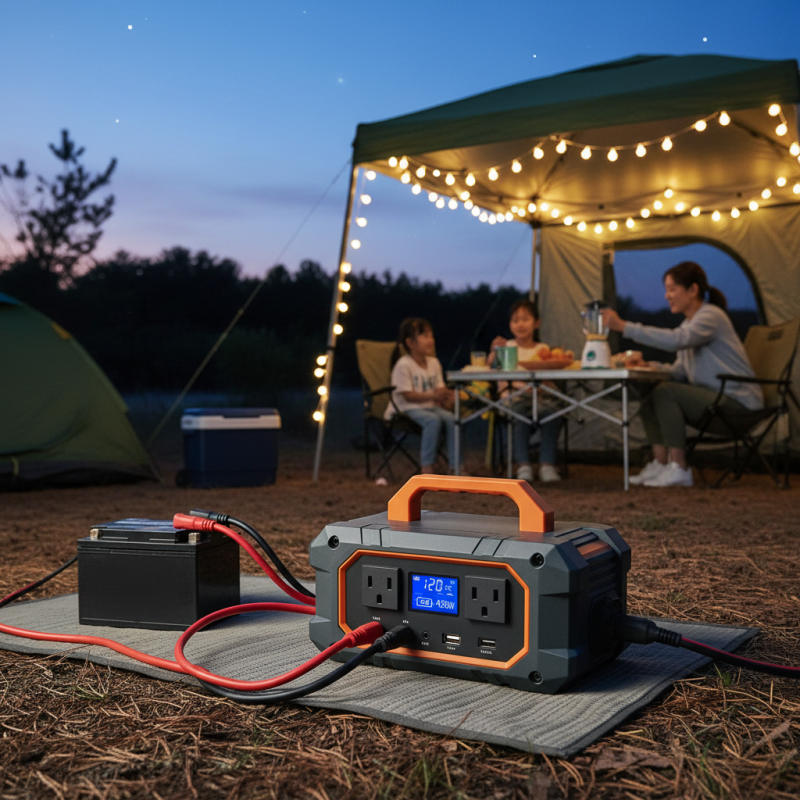
A mobile inverter is a compact device that transforms direct current (DC) into alternating current (AC). This process allows 12V batteries to power standard household appliances. Imagine camping in the woods. You want to charge your laptop or run a small fridge. A mobile inverter makes this possible, turning a car battery's power into usable electricity.
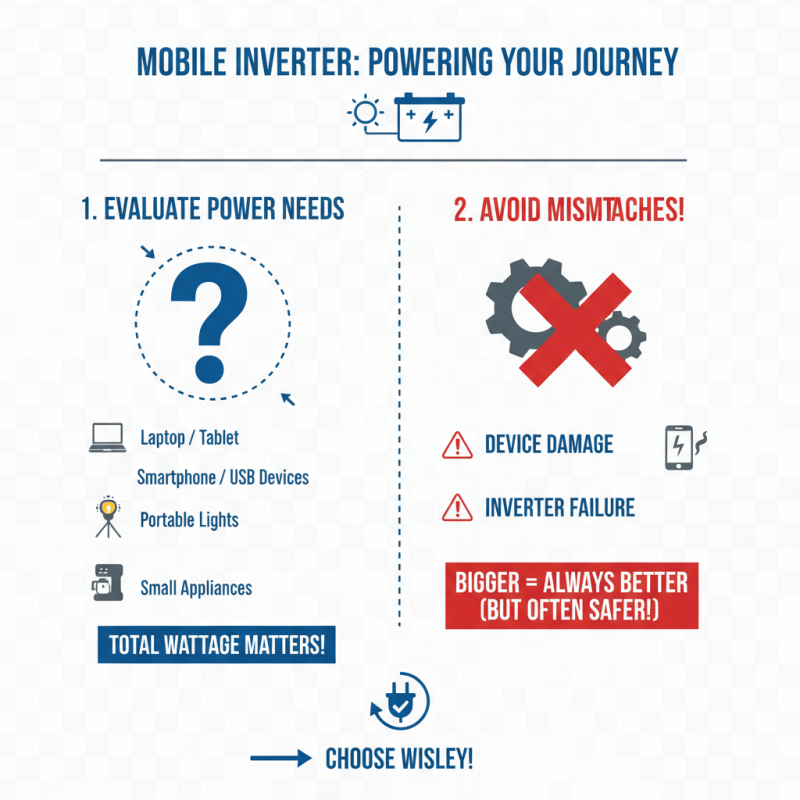
The technology behind mobile inverters is fascinating, yet not flawless. They can overheat if overloaded. Users should know the power rating of their devices. Some might underestimate their energy needs and face disappointment. It’s essential to check compatibility before relying on this equipment for power.
Many people overlook the importance of a good connection. Loose wires or poor contacts can lead to inefficiency or even damage. It’s a detail that can ruin an outing. A mobile inverter can enhance your outdoor experience, but it requires attention to function properly. Consider keeping spare fuses on hand, just in case.
Key Components of a Mobile Inverter
Mobile inverters are essential devices for converting DC power into AC power. Understanding their key components helps users operate them effectively.
The heart of a mobile inverter is the inverter circuit. This circuit takes the direct current (DC) from a battery or solar panel and transforms it into alternating current (AC). The quality of this conversion affects efficiency. Poor circuits can lead to energy loss.
Another crucial component is the transformer. This device adjusts the voltage levels to ensure proper output. The transformer must match the inverter's requirements for optimal performance. If the ratings do not align, it can lead to overheating or failure.
Tips: Always check the specifications of your devices. Mismatched components can cause damage. Regular maintenance helps prevent issues. Dust and debris can hinder performance.
Batteries also play a significant role in how long the inverter operates. Opt for deep-cycle batteries if you plan to use the inverter for long periods. They provide stable energy without rapid discharge.
Moreover, safety features are vital. Fuses and circuit breakers protect your devices from overloads. Do not overlook the importance of these components. Regularly inspect them for signs of wear or damage.
How Mobile Inverters Convert DC to AC Power
A mobile inverter is a device that converts direct current (DC) to alternating current (AC). This process is crucial for powering various appliances while on the go. Mobile inverters are commonly used in vehicles or portable power stations. They allow you to run household devices like laptops, TVs, and small kitchen appliances even when there is no grid power available.
The conversion process begins with the inverter taking in the DC voltage from a battery. This voltage is then transformed into AC voltage through a series of electronic components. These include oscillators and transformers, which help to create a smooth and stable AC output. The output is often similar to the power from your wall socket. However, inverters can sometimes struggle with certain loads. This can lead to issues like overheating if the wattage is too high.
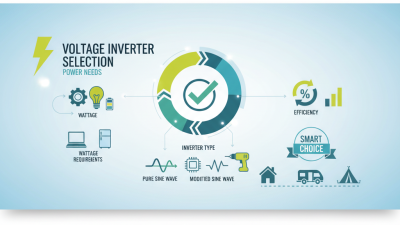
It's important to note that not all inverters are created equal. Efficiency can vary significantly. Some can convert power efficiently, while others may waste energy. Understanding your power needs is essential for selecting the right inverter. With improper use, devices might not receive the right voltage, causing potential damage. So, careful consideration is key when choosing a mobile inverter for your power needs.
What is a Mobile Inverter and How Does it Work? - How Mobile Inverters Convert DC to AC Power
| Feature |
Description |
Importance |
| Power Output |
Range from 200W to 5000W |
Determines the devices that can be powered |
| Input Voltage |
Typically from 12V to 48V DC |
Compatibility with batteries or solar panels |
| Output Type |
Modified Sine Wave or Pure Sine Wave |
Quality of power for sensitive electronics |
| Size and Portability |
Compact and lightweight designs available |
Ease of use in various locations |
| Safety Features |
Includes fuses, overload protection, and cooling systems |
Protection against short circuits and overheating |
| Usage Scenarios |
Camping, RVs, emergency power, and off-grid applications |
Versatility in different environments |
Applications of Mobile Inverters in Daily Life
Mobile inverters play a crucial role in various aspects of daily life. These devices convert DC power from batteries into AC power, making it useful for numerous applications. For instance, many people rely on mobile inverters during camping trips. They can power small appliances, lights, or even charge devices. This convenience enhances comfort in outdoor settings.
In urban areas, mobile inverters are essential for those on the go. Delivery drivers and tradespeople often depend on them to power tools or charge equipment directly from their vehicles. It’s a simple solution that makes work easier. However, some users struggle with understanding the appropriate power requirements for their devices. This can result in inefficiencies or overloading the inverter.
Moreover, emergency situations highlight the importance of mobile inverters. When power outages occur, these devices can provide backup energy for necessary equipment. While this reliance is beneficial, users must maintain their inverters properly. Neglecting maintenance can lead to reduced efficiency or complete failure. Users should reflect on their practices to ensure reliable performance when it matters most.