Why Do You Need an Energy Inverter for Your Home?
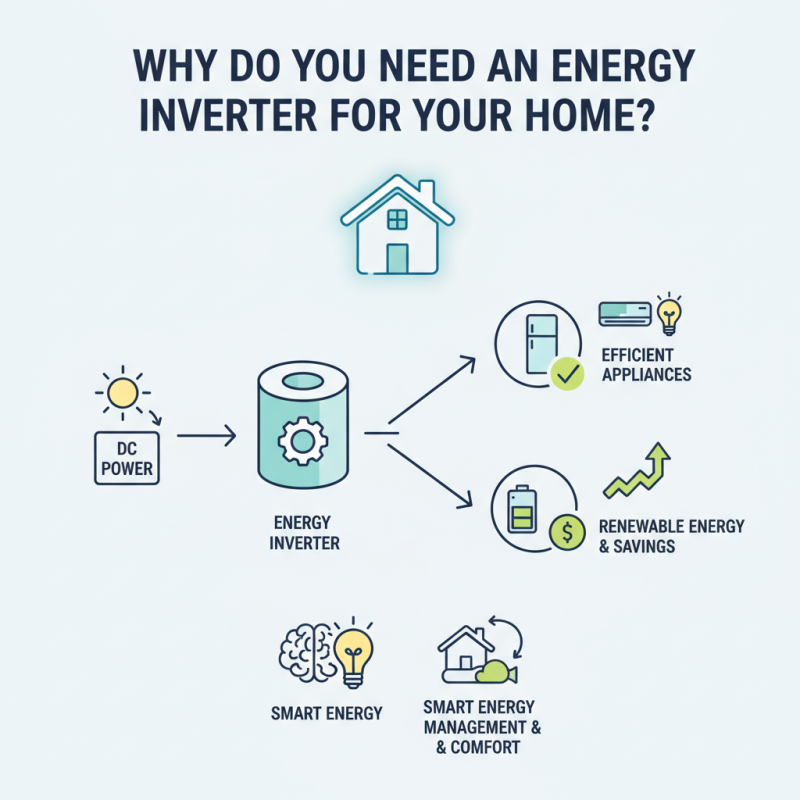
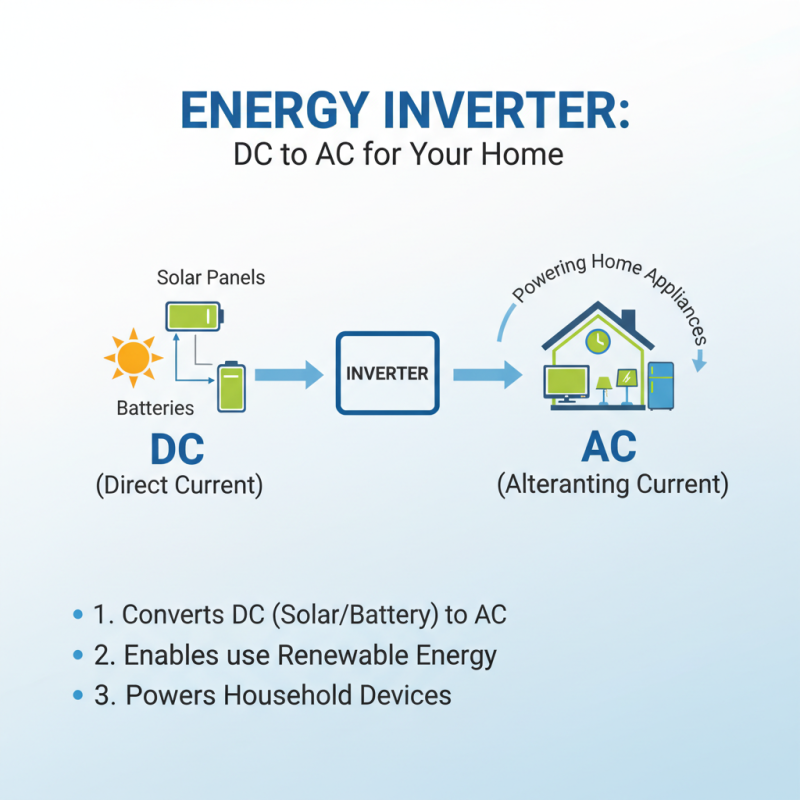
Your home relies heavily on energy to function smoothly. The integration of an Energy Inverter can make a significant difference. This device transforms direct current (DC) electricity into alternating current (AC). This conversion is crucial for powering various home appliances.
Many homeowners underestimate the importance of an Energy Inverter. Without it, appliances like refrigerators and air conditioners may not work efficiently. Imagine your fridge failing to keep food fresh or your lights flickering when you need them the most. Such scenarios highlight the need for a reliable power source.
Additionally, an Energy Inverter can enhance energy management. It allows you to utilize renewable energy efficiently. Yet, some people overlook the initial investment in an inverter. They fear high costs without understanding long-term savings. Reflecting on these decisions can yield better energy habits and greater home comfort.
Understanding Energy Inverters and Their Functionality
Energy inverters play a crucial role in converting direct current (DC) to alternating current (AC), which is vital for household appliances. Many devices require AC to function effectively. Without an inverter, you face limitations in using renewable energy sources like solar panels or batteries. This conversion allows energy to flow smoothly into your home’s electrical system.
Many people overlook the functionality of inverters. They assume that simply having a renewable energy source guarantees power. However, the type of energy used matters. Inverters ensure that energy is in the correct form for daily use. Breakdowns or inefficiencies in inverters can lead to wasted energy. As homes increasingly move toward sustainable solutions, understanding inverters is essential.
Buying an inverter may seem straightforward. What’s crucial is choosing the right type for your needs. Some may not realize the importance of considering load capacity. An underpowered inverter can cause issues, leaving you short on energy. Reflecting on these points can help you make better choices.
The Importance of Energy Inverters for Homeowners
Energy inverters play a crucial role in modern homes. They convert direct current (DC) into alternating current (AC), which powers our everyday appliances. According to industry reports, nearly 60% of households see significant energy savings when using inverters. This efficiency can lead to lower monthly bills and reduced environmental impact.
Homeowners often overlook the importance of energy inverters. Many think only about solar panels or batteries. Yet, without an inverter, these systems cannot operate effectively. Recent studies indicate that inverters can increase the lifespan of household electronics by providing stable voltage and current. This prevents damage caused by fluctuations in power supply, a common issue in many regions.
While the benefits are clear, challenges remain. Inverter technology can be expensive. Homeowners need to weigh installation costs against potential savings. Furthermore, understanding the specific needs of one’s home is essential for choosing the right inverter. Some may find the available options overwhelming. Investing in an energy inverter is a significant decision that deserves careful reflection.
Key Benefits of Installing an Energy Inverter at Home
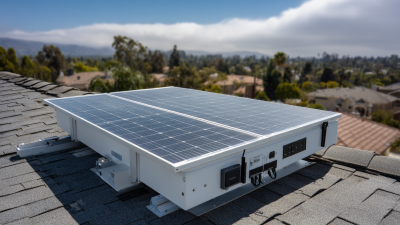
Installing an energy inverter at home can be a game-changer. It converts DC power from solar panels or batteries into AC power for your appliances. This simple device can reduce electricity bills significantly. Many homeowners experience higher efficiency and reliability in their power supply.
One major benefit is backup power during outages. When the grid fails, inverters can supply essential electricity. This ensures critical appliances, such as refrigerators, stay operational. It’s a comfort knowing that you’re not left in the dark. However, this benefit often goes unnoticed until needed.
Moreover, inverters help in managing energy consumption. By monitoring usage, they can inform you about peak times. This insight can guide smarter usage habits. Still, adapting to these new habits requires effort. Many users find it challenging to understand how to optimize their energy use. Over time, awareness can lead to savings. Proper installation and education are key elements in reaping these benefits.
Different Types of Energy Inverters Available for Residential Use
Energy inverters play a crucial role in residential energy systems. They convert direct current (DC) from solar panels or batteries into alternating current (AC) that powers home appliances. Understanding the different types of inverters can help homeowners choose the right one for their needs.
String inverters are common for solar energy systems. They connect multiple solar panels together. If one panel has an issue, it affects the entire string. This is a limitation to consider. Microinverters, on the other hand, attach to each panel individually. They optimize performance but can be more expensive. Power optimizers offer a middle ground, improving efficiency without the cost of microinverters.
Hybrid inverters combine functions. They manage both solar energy and battery storage. This allows for energy use during outages. However, they can be complex and may require professional installation. Homeowners must weigh the pros and cons carefully. Choosing the right inverter is essential for efficient and reliable home energy management.
Energy Inverters for Residential Use
Factors to Consider When Choosing an Energy Inverter for Your Home
Choosing the right energy inverter for your home can be challenging. You need to consider several factors to ensure the best fit for your needs. Power output is crucial. It determines how many devices your inverter can handle simultaneously. Think about your household appliances. Do you use large items like refrigerators or air conditioners?
Another key factor is the inverter’s efficiency. A more efficient model converts more energy, saving you money. Look for inverters with high ratings. They may cost more upfront, but they pay off long-term. Battery compatibility is also essential. Ensure the inverter works well with your existing battery setup.
**Tip:** Always check warranty details. A good warranty offers peace of mind. Not all inverters last long, and repairs can be expensive.
Installation can be tricky. Some inverters require professional installation, while others are more user-friendly. However, improper installation can lead to problems. Make sure to read reviews and research properly.
**Tip:** Read user experiences online. They often highlight real-world issues you might face. This can help avoid costly mistakes.