What is a Power Inverter and How Does It Work?
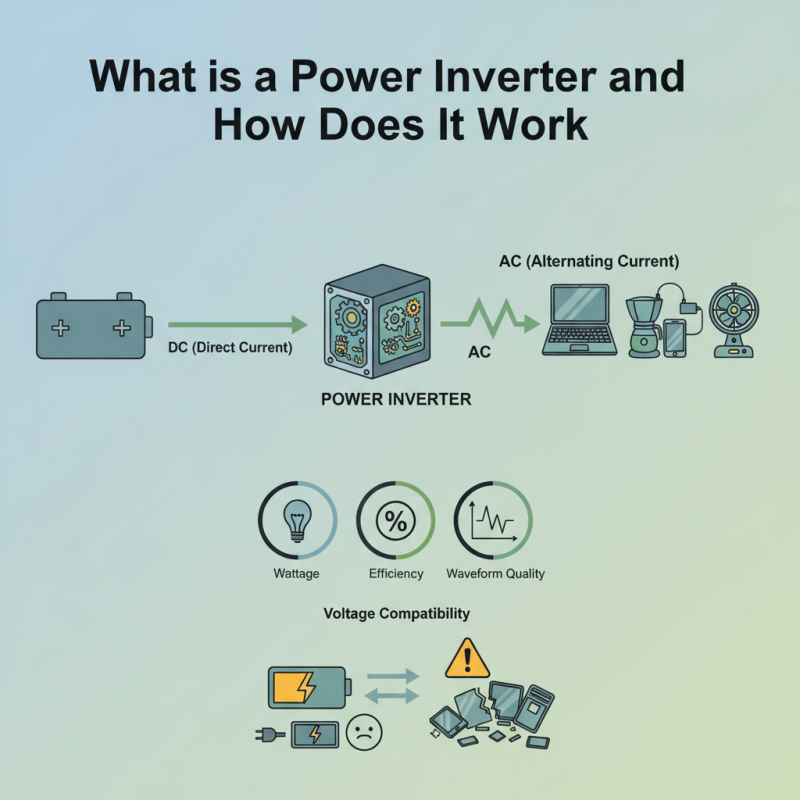
A Power Inverter plays a crucial role in our energy consumption. It converts DC (direct current) into AC (alternating current). This technology is essential for using battery power in household appliances. Dr. Emily Hart, a leading expert in renewable energy, states, "Power inverters are the unsung heroes of efficient energy use."
Imagine camping with a laptop or charging your phone far from utility power. This is where a Power Inverter shines. It allows us to harness energy from batteries. While this technology is common, many still misunderstand its importance. Not every inverter provides clean power for sensitive devices. It’s vital to choose the right one.
Several factors can complicate the selection of an inverter. Users must consider wattage, efficiency, and even waveform quality. A batch of low-quality inverters can fail, causing frustration. Many consumers face the challenge of understanding voltage compatibility too. The Power Inverter industry holds great potential, yet it demands careful consideration from users.
What is a Power Inverter: Definition and Purpose
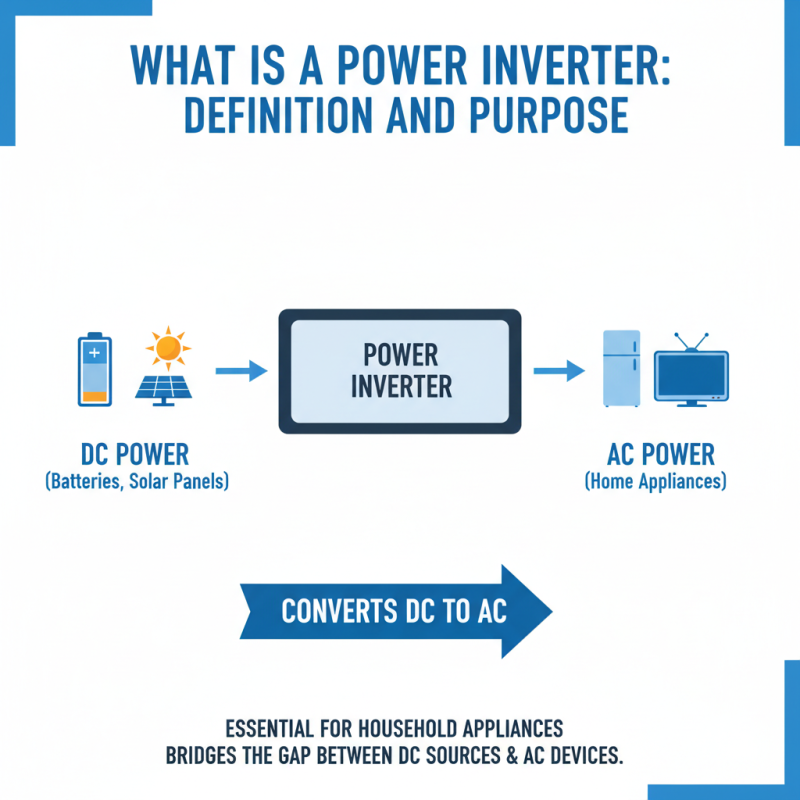
A power inverter is a device that converts direct current (DC) into alternating current (AC). This conversion is essential for many household appliances. Most devices at home, like refrigerators and televisions, require AC power. In contrast, batteries and solar panels produce DC electricity. The inverter bridges this gap. Understanding its purpose can reveal its importance in our daily lives.
The primary function of a power inverter is to facilitate the use of DC power sources. For instance, if you have a solar panel system, it generates DC. However, your home runs on AC. That's where the inverter comes in. It takes the DC from the solar panels and transforms it into usable AC electricity. Without this transformation, solar energy would go to waste. It's fascinating to see how these devices power our everyday lives, yet many don't realize their significance.
However, power inverters are not without flaws. They can experience inefficiencies during conversion. This means that not all the energy is used effectively. Also, they come with varying levels of complexity. Choosing the right inverter can be challenging. Sometimes, you might end up with an inverter that doesn't fully meet your needs. This is where reflection can improve future decisions. Understanding your power requirements can lead to better choices in the long run.
Types of Power Inverters: Pure Sine Wave vs. Modified Sine Wave
Power inverters play a crucial role in converting direct current (DC) to alternating current (AC). They are essential for using battery power with household appliances. Understanding the types of power inverters is critical for choosing the right one for your needs. Two common types are pure sine wave and modified sine wave inverters.
Pure sine wave inverters deliver power that closely resembles the AC electricity supplied by utility companies. They provide clean and stable electricity. This quality makes them ideal for sensitive devices like computers and medical equipment. According to industry reports, pure sine wave inverters are 25-30% more efficient for these applications. Their ability to reduce harmonic distortion minimizes noise and wear on equipment.
Modified sine wave inverters, on the other hand, are less complex and more affordable. However, they produce electricity in a square wave format. This can lead to inefficiencies with certain devices. Some appliances, such as microwave ovens and variable-speed motors, may not operate correctly or could suffer damage over time. Studies indicate that using modified sine wave inverters can increase wear and tear by 20-25% on sensitive electronics. Thus, the choice between the two types involves weighing cost against potential risks and efficiency.
What is a Power Inverter and How Does It Work?
| Type of Inverter |
Output Waveform |
Efficiency |
Applications |
Pros |
Cons |
| Pure Sine Wave Inverter |
Pure Sine Wave |
90%-95% |
Sensitive electronics, medical equipment |
High compatibility, clean power output |
Higher cost, larger size |
| Modified Sine Wave Inverter |
Modified Sine Wave |
70%-90% |
Basic appliances, power tools |
Lower cost, smaller size |
May cause noise, less efficient with sensitive devices |
| Grid Tie Inverter |
Sine Wave |
95%+ |
Solar power systems |
High efficiency, connects directly to grid |
No power during outages, requires grid connection |
How Power Inverters Work: The Conversion Process Explained
When it comes to power inverters, understanding the conversion process is key. A power inverter transforms direct current (DC) into alternating current (AC). This process is essential for using battery power with household appliances. The inverter uses electronic circuits to make this conversion.
The conversion process happens in two stages: first, the inverter generates a square wave with transistors. Then, the wave is modified into a cleaner sine wave. These waves get rid of disruptions in the current flow. You might see a slight delay in device response during this conversion. In some cases, the output might not be as stable as needed.
Tips: Ensure proper ventilation for the inverter to prevent overheating. Sometimes, unexpected shutdowns occur due to thermal issues. Test your devices with the inverter beforehand, as not all appliances work seamlessly. Regular maintenance checks can help identify any potential issues early.
Key Specifications: Understanding Wattage, Voltage, and Efficiency Ratings
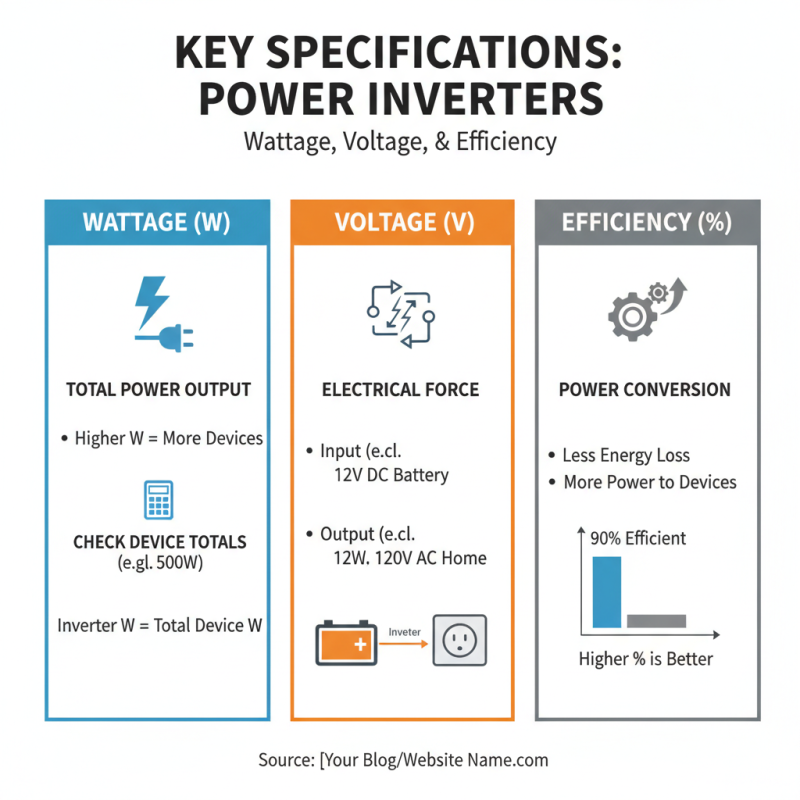
When it comes to power inverters, understanding wattage, voltage, and efficiency ratings is crucial. Wattage indicates the power output from the inverter. A higher wattage allows you to run more devices simultaneously. For example, if your electronics require 500 watts, you need an inverter rated for at least that amount. It’s essential to check the total wattage for all devices.
Voltage is another key factor. Most household devices run on 120V or 240V. It's vital to match the inverter's output voltage with your devices' requirements. Using the wrong voltage can lead to device failure. Efficiency ratings indicate how well an inverter converts DC to AC power. Higher efficiency means less energy loss. An inverter with an efficiency of 90% wastes less energy than one at 70%.
Yet, many overlook these specifications. Choosing an inverter solely based on price can lead to disappointment. Not all inverters handle surges well, which may cause malfunction. Always read user reviews and consider your specific needs. Take your time and do proper research. The right inverter will serve you better in the long run.
Applications of Power Inverters: From Renewable Energy to RV Use
Power inverters play a significant role in various applications. They convert direct current (DC) into alternating current (AC). This allows for the use of household appliances that rely on AC power. One of the most popular applications of power inverters is in renewable energy systems. Solar panels generate DC power, which needs inversion for home usage. This process enables homeowners to harness solar energy effectively.
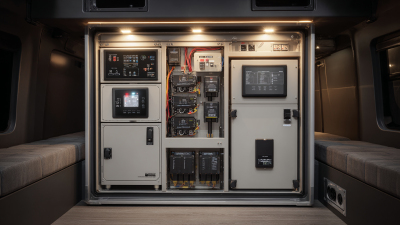
Recreational vehicles (RVs) are another area where power inverters are essential. Many RV users enjoy the convenience of home-like amenities. However, running these appliances requires a reliable power source. An inverter can turn battery-stored DC power into AC, making it possible to use microwaves, TVs, and other gadgets. This transformation enhances the RV experience but also presents challenges. Inverters can drain batteries quickly if not managed properly.
Understanding the limitations is vital. Not every inverter can handle high power loads. Users may face unexpected issues if they exceed specified limits. Additionally, inverters can be sensitive to temperature and humidity. Ensuring proper installation can be a hassle. Regular checks and balances are necessary to avoid potential problems down the road.
Applications of Power Inverters