What is a Power Switch and How Does it Function?
A Power Switch is an essential device in our daily lives. It controls the flow of electricity to appliances and equipment. The basic function is simple: when pressed, it allows current to flow; when released, it stops the current. This on-and-off mechanism is crucial in homes and industries alike.
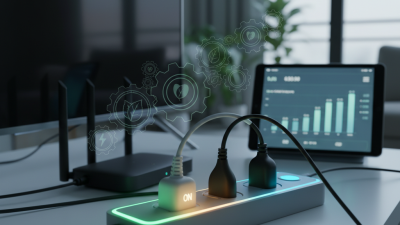
Power Switches come in various forms. There are toggle switches, push-button switches, and even smart switches. Each type has its unique design and use. For example, smart switches can be controlled remotely. However, understanding how they function can be a challenge. Not everyone knows the technical details behind a Power Switch.
When a Power Switch fails, it often leads to frustration. Users might blame the device without understanding its inner workings. It’s important to reflect on this. A simple mistake or misunderstanding can lead to bigger problems. Knowing the basics about a Power Switch enhances our interaction with technology.
Definition and Purpose of a Power Switch
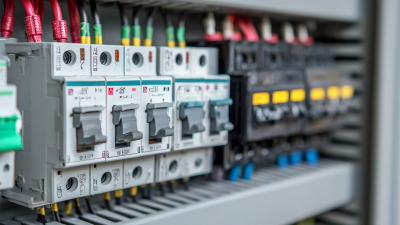
A power switch is a fundamental device used to control electrical devices. Its primary function is to make or break the flow of electricity. When you flip the switch, it either connects or disconnects the circuit. This simple action can turn on a lamp, start a machine, or shut down an appliance. Understanding a power switch’s role is vital for both safety and efficiency in daily life.
The purpose of a power switch extends beyond mere convenience. It acts as a safeguard against electrical overload or fire hazards. Users often overlook the importance of a functioning power switch. Faulty switches can lead to dangerous situations. Regular testing and maintenance of switches can prevent such risks. When we fail to assess their condition, we might invite unnecessary dangers into our homes.
Power switches also contribute to energy conservation. By turning off unused devices, we reduce power consumption. This small action can lead to significant savings over time. However, some people forget to turn off switches, leaving devices running unnecessarily. Awareness about these details can help improve our energy habits. Reflecting on our usage can lead to more mindful practices in everyday life.
What is a Power Switch and How Does it Function? - Definition and Purpose of a Power Switch
| Dimension |
Description |
Functionality |
| Type |
Mechanical, Electronic, or Software |
Controls power supply to devices |
| Operation |
Manual or Automatic Activation |
Turns devices on or off |
| Applications |
Home Appliances, Computers, Industrial Equipment |
Provides control over electrical power |
| Safety Features |
Fuse, Circuit Breaker, Surge Protection |
Prevents damage from electrical faults |
| Benefits |
Energy-saving, Convenience, Safety |
Enhances user experience and reduces consumption |
Types of Power Switches and Their Applications
Power switches come in various types, each serving specific functions in our daily lives. The most common types include toggle switches, rocker switches, and push-button switches. Each design offers unique advantages depending on the application. For example, toggle switches are often found in household lighting. They provide a tactile feel and are easy to operate. Rocker switches, on the other hand, are commonly used in larger appliances. They allow users to easily control power with a simple press.
Push-button switches are versatile and can be used in everything from gaming consoles to complex machinery. These switches sometimes require more force, which may lead to user frustration. It’s essential to choose the right switch based on function and ease of use. Some designs may not meet specific needs, especially if user experience is not considered.
**Tips:** When selecting a power switch, think about the environment where it will be used. Also, consider the user’s familiarity with various designs. Testing different types can lead to better choices. However, be aware that ergonomic design sometimes falls short. Users might still struggle with certain switches, leading to inefficiencies. Explore options carefully, and make adjustments when necessary.
Inner Workings: How Power Switches Function
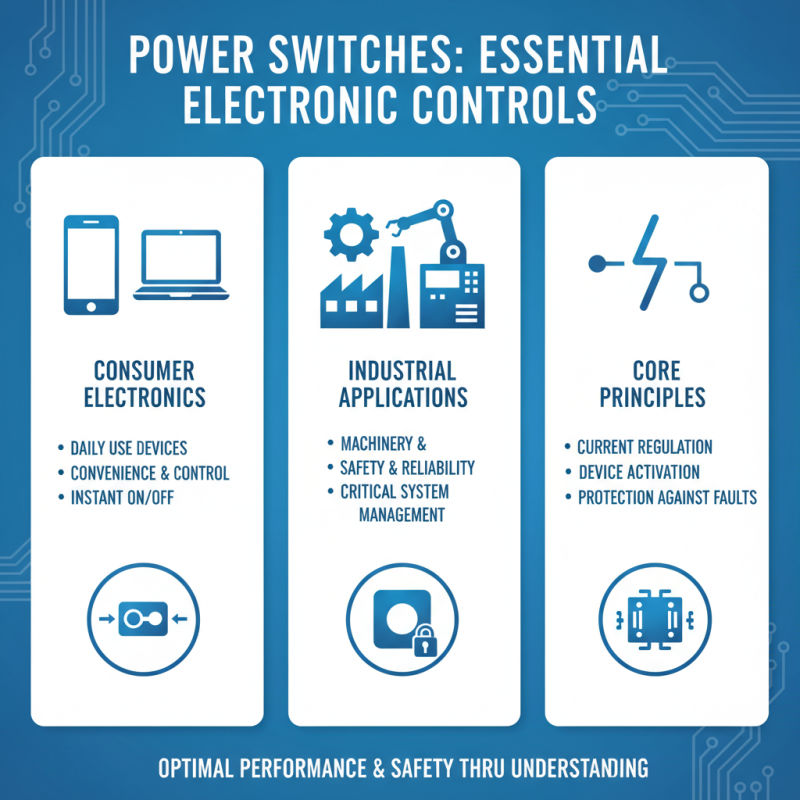
Power switches are essential components in both consumer and industrial electronics. They control the flow of electricity, enabling devices to turn on and off. Understanding their inner workings is crucial for optimal performance and safety.
Power switches operate through a simple mechanism of opening and closing electrical circuits. When the switch is closed, electrical current flows freely, powering the device. When opened, the current is interrupted, stopping the power flow. This basic function can vary in complexity, incorporating features like dimming or smart controls. According to a study by the International Electrotechnical Commission, proper switch design can enhance energy efficiency by over 30% in some applications.
Despite the efficiency gains, many designs struggle with reliability. Some switches wear out faster than expected, leading to unexpected failures. An estimated 20% of power switch failures occur prematurely due to subpar materials. It's essential for designers to consider not only functionality but also longevity. In a growing market, addressing these issues could lead to improved user satisfaction and reduced costs in the long run.
Common Issues and Troubleshooting for Power Switches
Power switches are crucial components in our daily lives, controlling the flow of electricity to various devices. However, they can sometimes malfunction, leading to frustrating moments. One common issue is the switch becoming unresponsive. This could be due to wear and tear or accumulation of dust inside the mechanism. In such cases, a gentle cleaning may help restore functionality.
Another problem might involve intermittent operation. The switch may work occasionally but fail at other times. This inconsistency often signals a loose connection or internal damage. Checking the wiring and ensuring secure connections is essential. Additionally, faulty switches can cause flickering lights or devices turning off unexpectedly. Regular maintenance can help detect issues early and prolong the lifespan of your switches.
It's important to be aware of these common problems. Understanding how to troubleshoot them can save time and frustration. Keep in mind that safety should always come first. If a problem seems beyond your expertise, seeking professional help is always a wise choice. Noticing minor signs early can prevent bigger issues later on.
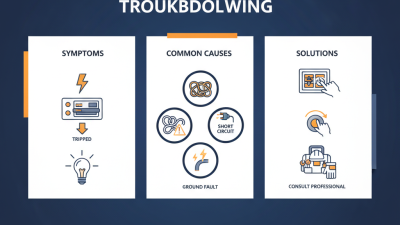
Power Switch Common Issues and Troubleshooting
Safety Measures and Best Practices for Using Power Switches
When using power switches, safety is paramount. According to the National Fire Protection Association, electrical fires account for over 30,000 incidents annually. Misuse of power switches can often be a contributing factor. Ensuring proper installation and maintenance is key. Regularly inspect switches for wear, cracks, or signs of overheating. If you notice unusual odors or noises, it’s time to act. Don’t ignore these warnings.
Employing proper practices can significantly reduce risks. Always turn off the switch before working on connected equipment. Use appropriate personal protective equipment as needed. In workplaces, ensure all switches are labeled clearly. This minimizes confusion and helps prevent accidents. Furthermore, having a fire extinguisher nearby is a wise choice. Data from the Electrical Safety Foundation International suggests that proper training could reduce electrical accidents by up to 50%.
Being aware of common pitfalls is also critical. Many users engage switches without checking the connected load. This can lead to overloads and switch failure. A staggering 20% of electrical issues stem from improper usage. Reflecting on our habits is essential. Taking these precautions helps create a safer environment for everyone involved.