Power Switch Tips for Efficient Energy Saving and Smart Home Management
In an era where energy efficiency and smart home management are becoming increasingly paramount, understanding the role of the power switch is essential for modern households. The power switch serves as a gateway to optimizing energy consumption, enabling homeowners to manage their devices more effectively and reduce their carbon footprint. With the advent of smart technology, the traditional notions of when and how to control power usage are evolving, presenting exciting opportunities for efficiency and convenience.
By incorporating innovative strategies into everyday practices, individuals can harness the potential of power switches not only to mitigate energy wastage but also to enhance the functionality of their living spaces. From programmable switches that allow for scheduled power usage to smart plugs that monitor and manage device energy consumption, the tools at our disposal are designed to empower homeowners in their quest for sustainability. This article explores various power switch tips and techniques that facilitate efficient energy saving and proactive home management, helping readers navigate the transition to a more energy-conscious lifestyle.
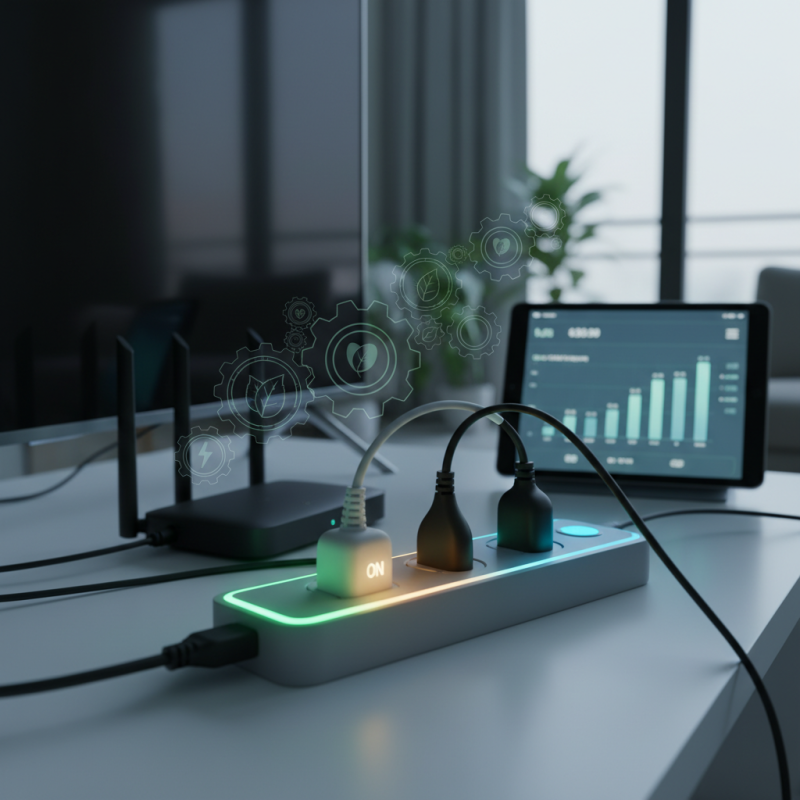
Power Switch Basics: Understanding the Role of Energy Management
Understanding the role of energy management in a smart home is essential for maximizing efficiency and minimizing waste. Energy management encompasses various strategies and technologies designed to monitor, control, and optimize energy consumption within residential spaces. By leveraging smart power switches, homeowners can gain greater control over their electrical systems, allowing them to automate energy use based on real-time needs and schedules. This not only leads to reduced utility bills but also contributes to a more sustainable lifestyle by decreasing the carbon footprint.
Moreover, power switches play a critical role in energy management by enabling remote access to devices and appliances. Homeowners can turn off lights, thermostats, and entertainment systems from their smartphones or tablets, ensuring that energy is not being wasted when these devices are not in use. Additionally, programmable timers can be set to operate devices only during off-peak hours, further enhancing energy savings. As smart home technology continues to evolve, understanding these basics of energy management allows users to effectively utilize their power switches, creating an efficient and intelligent living environment.
Power Switch Tips for Efficient Energy Saving and Smart Home Management
| Energy Management Tip |
Description |
Estimated Savings (%) |
Implementation Difficulty |
| Smart Power Strips |
Automatically cuts power to devices in standby mode. |
15% - 20% |
Easy |
| Schedule Lighting |
Use timers or smart switches to turn off lights when not needed. |
10% - 15% |
Moderate |
| Energy Monitoring Outlets |
Tracks energy consumption of connected devices. |
5% - 10% |
Moderate |
| Smart Thermostats |
Adjusts heating and cooling based on usage patterns. |
20% - 25% |
Challenging |
| LED Lighting |
Switch to LED bulbs for significant energy savings. |
25% - 30% |
Easy |
Choosing Energy-Efficient Power Switches for Your Smart Home
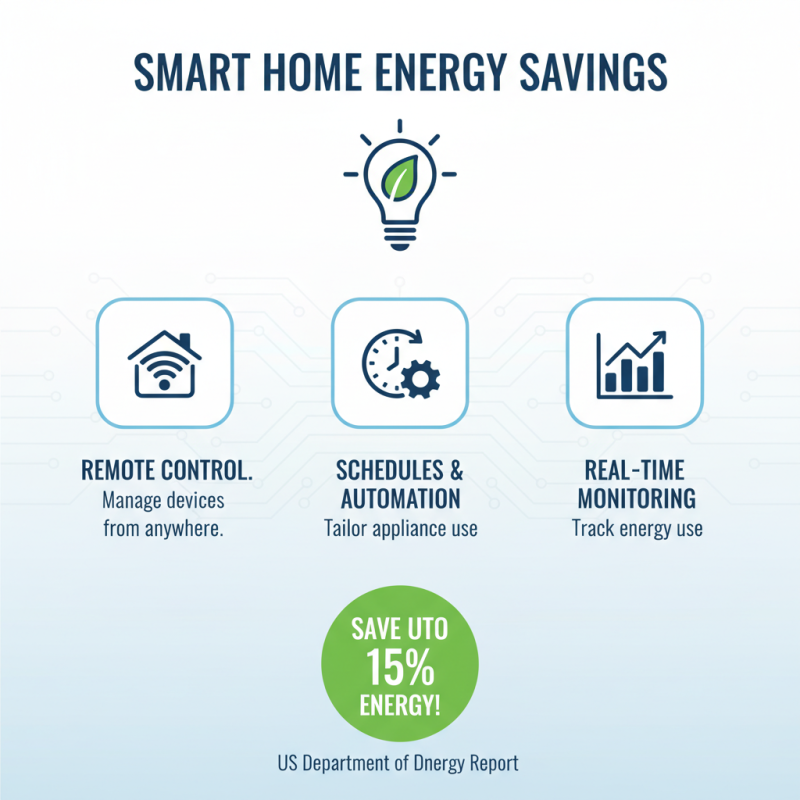
When considering energy-efficient power switches for smart homes, one must focus on features that optimize both functionality and energy conservation. According to a report by the U.S. Department of Energy, utilizing smart switches can lead to a reduction of energy consumption by up to 15% in residential settings. These devices enable users to control their power usage remotely, tailor schedules for appliances, and monitor energy consumption in real time, thus encouraging mindful energy consumption habits.
Moreover, the integration of smart switches into home automation systems can significantly enhance energy efficiency. Research from the International Energy Agency indicates that connected devices can decrease household electricity consumption by an average of 10-30% when managed properly. By selecting switches with advanced features such as energy monitoring capabilities, users can identify energy-hungry devices and take corrective actions, further contributing to energy savings. In addition, many energy-efficient switches are compatible with renewable energy sources, allowing homeowners to maximize their energy efficiency while minimizing their carbon footprint.
Smart Home Integration: Connecting Power Switches with IoT Devices
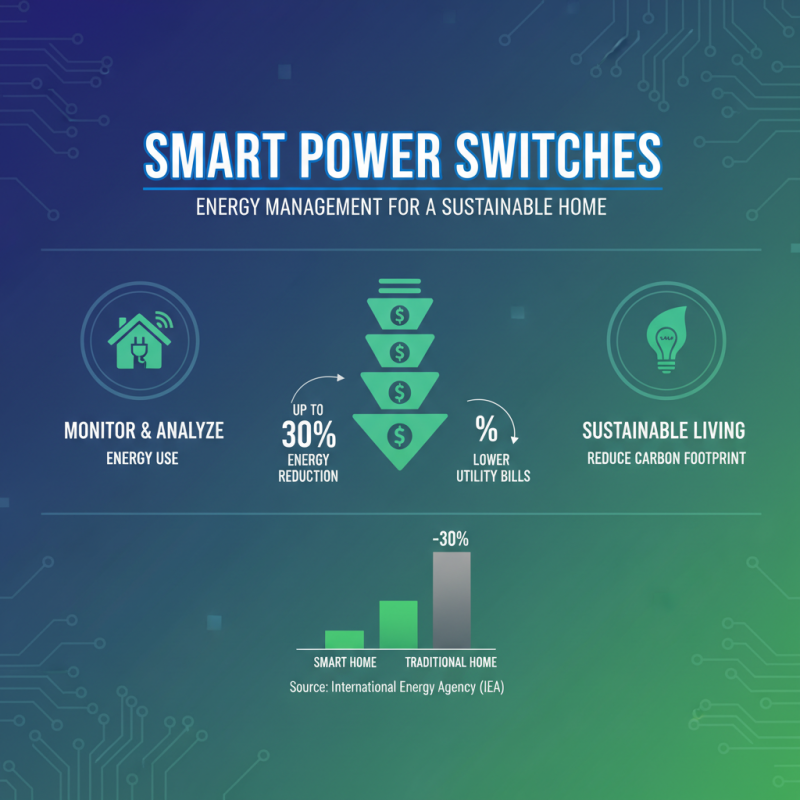
The integration of smart home technologies with power switches is revolutionizing energy management and optimizing efficiency in modern households. According to a report by the International Energy Agency (IEA), smart home devices can help reduce energy consumption by up to 30%. This remarkable potential lies in the capability to connect power switches with IoT devices, allowing homeowners to monitor and control their energy usage in real time, leading to informed decisions and reduced waste.
With the proliferation of IoT devices, connecting power switches has become increasingly straightforward. Smart lighting, thermostats, and appliances can communicate with switches, enabling users to create automation scenarios that match their lifestyle. For instance, a smart switch can be programmed to turn off lights and appliances when no one is home, or adjust the heating system based on real-time occupancy data. According to a study by Statista, the number of smart homes worldwide is projected to exceed 350 million by 2025, emphasizing the growing shift towards interconnected living spaces that prioritize energy efficiency and convenience.
Moreover, the use of smart power switches can enhance energy insights through detailed analytics. By tracking power consumption patterns, homeowners can identify peak usage times and adjust their habits accordingly. The Department of Energy reports that home energy management systems, which often include smart switches, can lead to an average savings of 10-15% on monthly energy bills. This data-driven approach not only fosters sustainable practices but also empowers users to take control of their energy consumption, making it an essential component of modern smart home management.
Power Switch Energy Consumption Analysis
This chart illustrates the average monthly energy consumption in different rooms of a smart home, highlighting the importance of efficient power switch management for reducing energy usage.
Tips for Programming Power Switches to Maximize Energy Savings
Programming power switches effectively can significantly enhance energy savings in a smart home environment. One of the key strategies involves scheduling the operation of devices during off-peak hours. By setting power switches to activate appliances like washing machines and dishwashers at night or during early mornings, homeowners can take advantage of lower energy rates while reducing strain on the grid. This not only leads to cost savings but also contributes to a more sustainable energy consumption pattern.
Another essential tip for maximizing energy savings is to use smart power switches that can monitor energy usage in real-time. These devices provide insights into which appliances consume the most electricity, allowing users to adjust their usage habits accordingly. Programmable switches can also be set to turn off devices that are typically left on but not actively in use, such as chargers or entertainment systems.
By enabling automation features and integrating them with a smart home hub, it becomes easier to create energy-saving routines that align with daily schedules, ensuring devices operate only when needed.
Monitoring and Analyzing Energy Consumption with Smart Power Switches
Smart power switches have emerged as essential tools in the realm of energy management, offering homeowners the ability to monitor and analyze their energy consumption with precision. According to a report by the International Energy Agency (IEA), homes that utilize smart technologies can reduce energy usage by up to 30% compared to traditional systems. This substantial decrease not only leads to lower utility bills but also contributes to more sustainable living practices.
By integrating smart power switches, users can access real-time data on their energy consumption patterns. This capability enables them to identify peak usage times and adjust habits accordingly. A study conducted by the Energy Saving Trust revealed that households that actively monitor their electricity usage can save approximately £160 annually, primarily by unplugging devices that consume energy while in standby mode. Additionally, smart switches often come with features such as scheduling and remote access, which further enhance their efficiency by allowing users to turn devices on or off from anywhere, optimizing energy usage automatically.
Furthermore, the data collected from smart power switches can provide valuable insights into the overall energy performance of a home. A report by Research and Markets projects that the global smart home market will reach $174 billion by 2025, with energy management being one of the key driving factors. By harnessing this technology, homeowners can play an active role in their energy consumption, ultimately supporting broader initiatives for energy conservation and environmental protection.