What is Pure Sine Wave Inverter and Why You Need It?
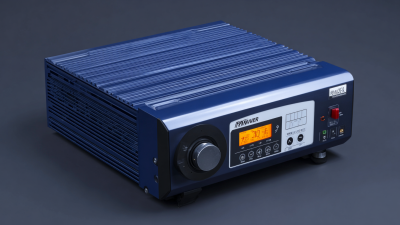
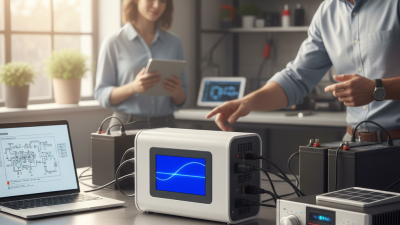
When considering power solutions, the "Inverter Pure Sinus" stands out as a reliable option. This device converts DC power into AC power with a smooth, sine wave output. This feature is crucial for running sensitive electronics. Many people overlook the importance of using pure sine wave inverters. However, choosing the right inverter can significantly affect device performance and lifespan.
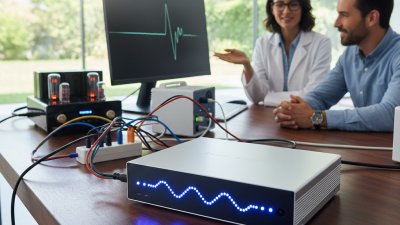
A pure sine wave inverter provides a steady power supply, reducing the risk of damage to your devices. Computers, medical equipment, and audio systems all function better with clean power. In contrast, modified sine wave inverters can create noise, cause overheating, and even lead to device failure. Real-life users report improved efficiency when switching to a pure sine wave inverter.
Understanding the benefits of an inverter pure sinus can guide your decision. While the initial cost may be higher, the long-term advantages outweigh the investment. Choosing functionality over price is essential. Reflecting on your power needs can lead to better choices. Are you ready to upgrade to a more reliable power source?
What is a Pure Sine Wave Inverter?
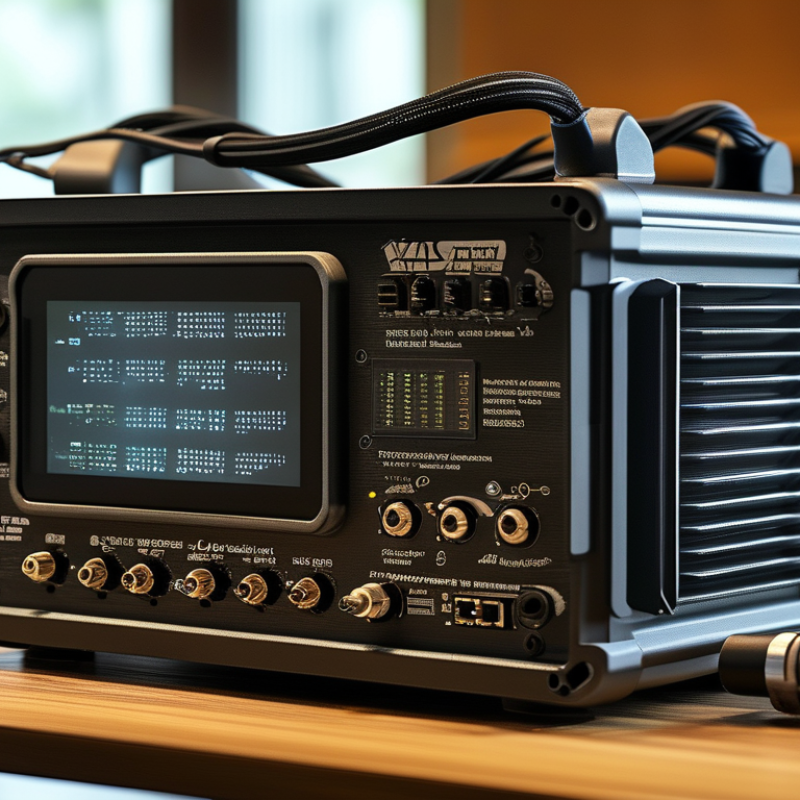
A pure sine wave inverter is a device that converts DC power into AC power. This is crucial for many electronic devices. Pure sine wave output mimics the smooth waveform of utilities. It ensures that sensitive devices, like medical equipment and computers, function efficiently.
Reports suggest that about 30% of modern electronics require pure sine wave inverters for optimal performance. In contrast, modified sine wave inverters may cause equipment to overheat or not work, leading to operational failures. Users often confront unexpected shutdowns. Many don’t realize that this choice affects lifespan and efficiency.
Tips: Always check device specifications before choosing an inverter. This will ensure compatibility and enhance reliability. Investing in quality upfront can prevent larger costs later.
Moreover, pure sine wave inverters can improve energy efficiency. They reduce harmonic distortion and minimize electrical noise. However, they tend to be more expensive than modified sine wave inverters. While the higher initial cost might deter some, the long-term benefits are significant. Balancing upfront expense against potential savings is essential for informed decisions.
The Working Principle of Pure Sine Wave Inverters
Pure sine wave inverters are essential devices that convert direct current (DC) to alternating current (AC). They produce a clean and stable waveform, similar to the power from the grid. This quality makes them suitable for sensitive electronics and appliances. Devices like medical equipment, televisions, and computers can function efficiently with pure sine wave output.
The working principle of these inverters involves complex circuitry. They use transistors to rapidly switch the DC power, creating the pure sine wave output. This prevents distortion, ensuring your devices receive the power they require. A sine wave is smooth and continuous, contrasting with modified sine wave inverters, which can cause noise and overheating in certain devices.
Tip: When choosing an inverter, consider the required wattage of your devices. Inspect the surge capacity as well, which relates to the initial power needed for startup.
In some situations, pure sine wave inverters can be more expensive than modified ones. It's crucial to weigh efficiency against cost. If you're uncertain, researching user experiences can provide valuable insights. Many customers have found that investing in a pure sine wave inverter pays off in the long run, enhancing the lifespan of their electronics.
Advantages of Using Pure Sine Wave Inverters
Pure sine wave inverters are essential for many electronic devices. They produce a clean and stable power output, akin to the grid electricity. This type of inverter is particularly vital for sensitive equipment like medical devices, audio systems, and solar appliances. According to industry reports, devices running on pure sine wave power may operate 20-30% more efficiently than those powered by modified sine wave inverters.
One notable advantage is the reduced wear and tear on appliances. Appliances get better protection from power fluctuations, which can cause malfunctions. Data indicates that using pure sine wave inverters can prolong the lifespan of devices by up to 40%. This can be significant for households and businesses alike. Investing in a pure sine wave inverter can lead to substantial savings over time.
Moreover, pure sine wave inverters help in lowering the risk of electromagnetic interference. This aspect is critical for communication devices and precise instruments. However, not all users consider these benefits. Some may opt for cheaper alternatives, exposing their equipment to potential damage. Careful considerations should be made when selecting the right inverter for specific needs.
Applications of Pure Sine Wave Inverters in Daily Life
Pure sine wave inverters play a crucial role in modern daily life. They convert DC power to high-quality AC power, mimicking utility-supplied electricity. This is especially important for sensitive electronics. According to a report by the National Renewable Energy Laboratory, pure sine wave inverters can reduce equipment failure by up to 30%. This statistic is significant for households relying on high-tech devices.
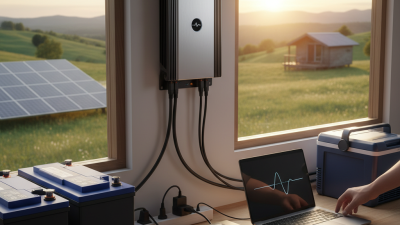
In applications like solar power systems, pure sine wave inverters are essential. They ensure compatibility with appliances ranging from refrigerators to medical devices. The Electrical Engineering Research Institute highlights that about 80% of modern electronics perform optimally with a pure sine wave. Additionally, many users report improved efficiency in their appliances, resulting in energy savings of up to 15%. It's clear that the benefits extend beyond mere functionality.
However, not every situation requires a pure sine wave inverter. For some devices, modified sine wave inverters can suffice and are often cheaper. Users must assess their specific needs. This reflection is vital in optimizing energy consumption without overspending. Consideration of the full range of options available will lead to more informed decisions.
Applications of Pure Sine Wave Inverters in Daily Life
This chart illustrates the power consumption of various applications that benefit from pure sine wave inverters in daily life. From home appliances to renewable energy systems, pure sine wave inverters ensure efficient and reliable operation.
How to Choose the Right Pure Sine Wave Inverter for Your Needs
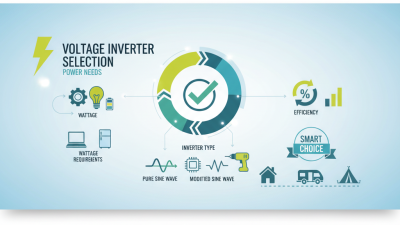
Choosing the right pure sine wave inverter can seem daunting. Consider your power needs first. Identify the devices you plan to run. Calculate their combined wattage. Remember, some appliances require more power when starting up. This peak wattage is essential in your decision-making process.
Next, think about the inverter’s capacity. It should exceed your total wattage. A good rule of thumb is to select an inverter with at least 20% more capacity than the calculated total. This extra power can handle unexpected surges. Don't overlook efficiency ratings. A higher efficiency means less energy wasted, which is critical for battery-operated systems.
Lastly, examine the inverter's features. Look for essential functions like temperature protection and low battery shutdown. These can enhance the longevity of your inverter. Read user reviews to gauge reliability and performance. Each user’s experience adds valuable insight. Reflect on your unique requirements and make informed choices.
What is Pure Sine Wave Inverter and Why You Need It? - How to Choose the Right Pure Sine Wave Inverter for Your Needs
| Feature |
Description |
Recommended Power Rating |
Best For |
| Waveform Type |
Pure sine wave output simulates grid power |
300W - 3000W |
Sensitive electronics like laptops and medical devices |
| Efficiency |
Higher efficiency often over 90% |
1500W |
Solar systems and RVs |
| Noise Level |
Quiet operation compared to modified sine wave inverters |
1000W |
Camping and outdoor use |
| Safety Features |
Includes surge protection and overload prevention |
500W |
Home appliances and tools |
| Portability |
Lightweight and compact models available |
200W |
Travel and portable power needs |