What is a Pure Sine Wave Inverter and Why is it Important for Your Needs?
In the realm of power conversion technology, "Inverter Pure Sinus" serves as a cornerstone for delivering high-quality electrical energy that is vital for modern electronic appliances. According to Dr. Emily Carter, an industry expert in power electronics, "The significance of a pure sine wave inverter cannot be overstated; it not only ensures the efficiency of sensitive equipment but also prolongs its lifespan." This statement underlines the critical role that a pure sine wave inverter plays in both residential and commercial setups.
As we delve deeper into the world of pure sine wave inverters, it becomes evident that their importance extends beyond mere functionality. They are essential for applications that require stable and clean power, such as medical equipment, computers, and audio-visual systems. Without the proper waveform, appliances may suffer from overheating or erratic behavior, leading to costly repairs or replacements. Thus, understanding the mechanics and advantages of "Inverter Pure Sinus" technology is crucial for anyone looking to optimize their energy consumption and safeguard their investments.
Ultimately, assessing the value of a pure sine wave inverter should not just be an afterthought; it is an essential consideration for ensuring reliable and efficient power solutions tailored to meet specific needs.
Definition of Pure Sine Wave Inverter and Its Functionality
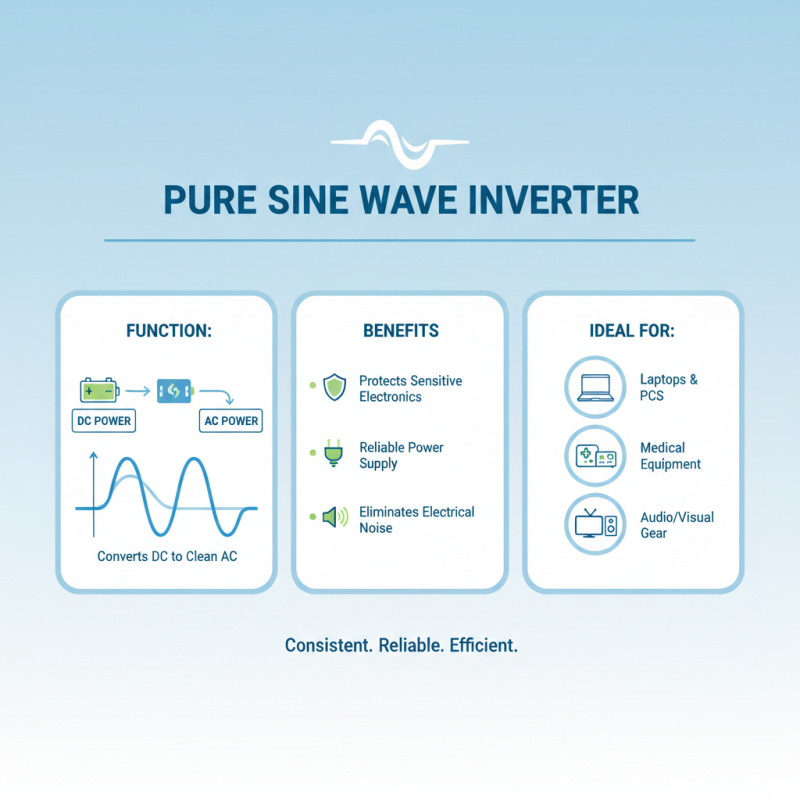
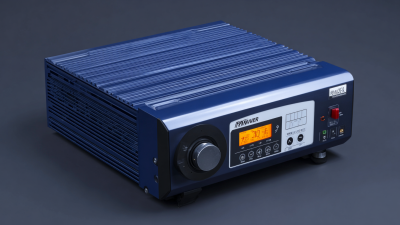
A pure sine wave inverter is a device that converts direct current (DC) electricity into alternating current (AC) electricity, which is characterized by smooth, even waveforms akin to the power supplied by the electrical grid. The functionality of a pure sine wave inverter lies in its ability to produce electricity that is consistent and reliable, making it suitable for running sensitive electronic devices and appliances that require a stable power supply. This type of inverter generates a waveform that eliminates electrical noise and harmonics, thus protecting equipment from potential damage and ensuring optimal performance.
One of the primary benefits of using a pure sine wave inverter is its compatibility with a wide range of devices. Unlike modified sine wave inverters, which produce a more jagged waveform, pure sine wave inverters can power sophisticated electronics such as laptops, medical equipment, and audio/video systems, all of which require a steady power flow to function correctly. Additionally, these inverters contribute to increased energy efficiency, reducing the risk of overheating and extending the lifespan of connected devices. Overall, understanding the definition and functionality of a pure sine wave inverter is essential for anyone looking to invest in reliable power solutions for their homes or businesses.
Comparison of Pure Sine Wave Inverters and Modified Sine Wave Inverters
When considering power supply solutions, the comparison between pure sine wave inverters and
modified sine wave inverters is essential.
Pure sine wave inverters produce an output that closely resembles the waveform of utility power, delivering a smooth and uninterrupted flow of electricity.
This results in enhanced efficiency when powering sensitive electronics such as laptops, medical devices, and audio equipment.
According to industry reports, devices powered by pure sine wave inverters can operate 20-30% more efficiently than those using modified sine wave inverters,
reducing wear and prolonging the lifespan of the equipment.
On the other hand, modified sine wave inverters create a stepped or square waveform, which is less efficient and can lead to increased heat generation in devices.
Many appliances function adequately on modified sine wave, but the performance may not match that of pure sine wave inverters.
Studies indicate that approximately 70-80% of electronic devices are compatible with modified sine wave output;
however, the risk of damage or malfunctions for sensitive devices remains a concern.
Users must consider their specific needs when choosing between the two types of inverters.
Tips: When selecting an inverter, assess the types of appliances you plan to power.
If you regularly use sensitive or high-tech devices, investing in a pure sine wave inverter may save you
from costly repairs in the long run. Always check the inverter’s output specifications to ensure compatibility
with your equipment to maximize efficiency and reliability.
Benefits of Using a Pure Sine Wave Inverter for Home Appliances
Pure sine wave inverters are essential for anyone looking to power sensitive electronic devices at home. Unlike modified sine wave inverters, which produce a waveform that can create noise and generate heat, pure sine wave inverters deliver a smooth and consistent wave form. This quality is crucial for modern appliances such as computers, microwaves, and medical equipment, which often require a clean power source to operate efficiently. According to a report by the National Renewable Energy Laboratory, devices powered by pure sine wave inverters perform better and have longer lifespans compared to those powered by modified sine wave alternatives.
One of the significant benefits of using a pure sine wave inverter for home appliances is its ability to minimize energy consumption. A study conducted by the International Energy Agency revealed that utilizing high-quality power inverters can lead to up to a 25% reduction in energy usage for residential applications. This efficiency not only saves money on electricity bills but also reduces the overall environmental impact by lowering carbon emissions associated with energy production. Furthermore, pure sine wave inverters provide improved reliability, ensuring that appliances run smoothly without interruptions or malfunctions, which can be especially critical for devices like refrigerators and medical devices that must maintain consistent operation.
What is a Pure Sine Wave Inverter and Why is it Important for Your Needs? - Benefits of Using a Pure Sine Wave Inverter for Home Appliances
| Feature |
Description |
Benefits |
Typical Use Cases |
| Waveform Type |
Pure sine wave |
Provides clean power similar to grid supply |
Sensitive electronics, medical equipment |
| Efficiency |
High efficiency of energy conversion |
Minimized energy loss, longer battery life |
Home solar systems |
| Noise Level |
Low operational noise |
Quieter operation than modified sine wave inverters |
Residential settings |
| Compatibility |
Compatible with all AC appliances |
Can power a wide range of devices |
Kitchen appliances, tools, entertainment systems |
| Power Factor |
Improved power factor |
Higher efficiency operation for inductive loads |
Motors, compressors |
Applications of Pure Sine Wave Inverters in Renewable Energy Systems
Pure sine wave inverters play a crucial role in renewable energy systems by providing clean and stable electricity output that closely resembles the power supplied by the grid. Unlike modified sine wave inverters, pure sine wave inverters generate a smooth and consistent waveform, making them essential for sensitive electronic devices and appliances. According to a report from the National Renewable Energy Laboratory, using pure sine wave inverters can enhance the efficiency of energy systems, resulting in a performance increase by up to 25% in certain applications.
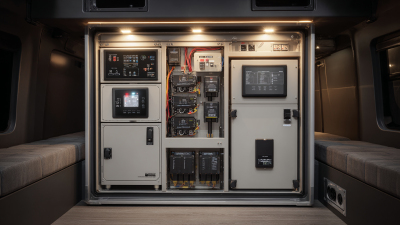
In renewable energy applications, pure sine wave inverters are commonly utilized in solar power systems, wind energy systems, and battery storage solutions. They convert the DC electricity produced by solar panels or wind turbines into AC electricity, which can be used by home appliances or fed back into the electrical grid. The International Energy Agency indicates that with the growing adoption of smart appliances and electric vehicles, the demand for pure sine wave outputs is expected to surge, as these technologies require high-quality power for optimal performance. Furthermore, pure sine wave inverters help reduce harmonics in electrical systems, minimizing wear and tear on equipment and extending the lifespan of both the inverter and the connected devices.
Applications of Pure Sine Wave Inverters in Renewable Energy Systems
Factors to Consider When Choosing a Pure Sine Wave Inverter
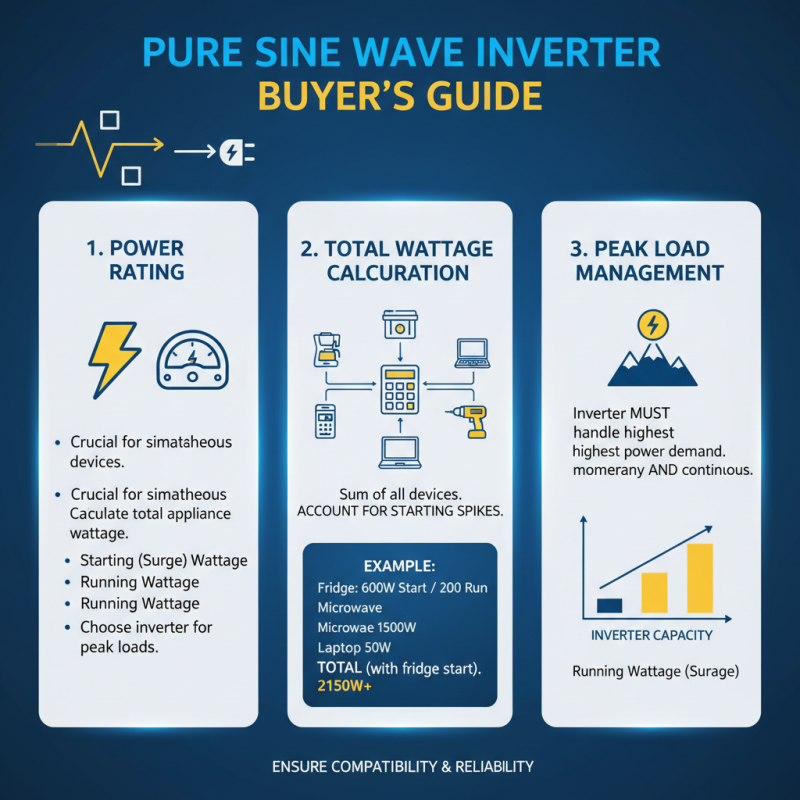
When choosing a pure sine wave inverter, several key factors should be considered to ensure it meets your specific needs. Firstly, take into account the inverter's power rating, which is crucial for determining how many devices you can run simultaneously. Calculate the total wattage of your appliances, considering both the starting (surge) and running wattage, as some devices require more power to start than to run. It’s essential to choose an inverter that can comfortably handle the peak loads you might encounter.
Another important factor is the inverter’s efficiency and waveform quality. Pure sine wave inverters provide a clean and stable power output, which is particularly beneficial for sensitive electronics and appliances. This means they can operate without interference, ensuring longevity and optimal performance. Check for the inverter’s total harmonic distortion (THD) rating, as a lower THD indicates better power quality. Additionally, consider features such as battery input compatibility, safety mechanisms, and the inverter's reliability in various environmental conditions, which can further enhance its suitability for your particular application.