2025 Top 5 Photovoltaic Inverters for Maximizing Solar Energy Efficiency
In the rapidly evolving landscape of renewable energy, maximizing solar energy efficiency has become a paramount goal for both residential and commercial applications.
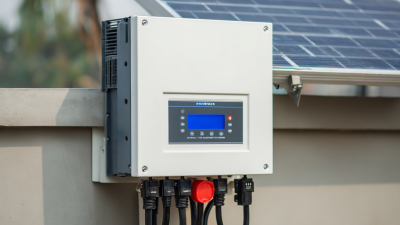
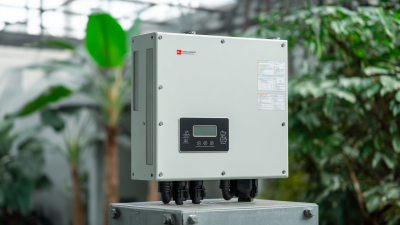
Central to this effort is the Photovoltaic Inverter, a crucial component that converts direct current (DC) generated by solar panels into alternating current (AC), which can be utilized by the grid or home appliances.
According to the International Energy Agency (IEA), global installed photovoltaic capacity reached 940 gigawatts (GW) in 2022, highlighting the increasing reliance on solar energy as a vital resource for sustainable development.
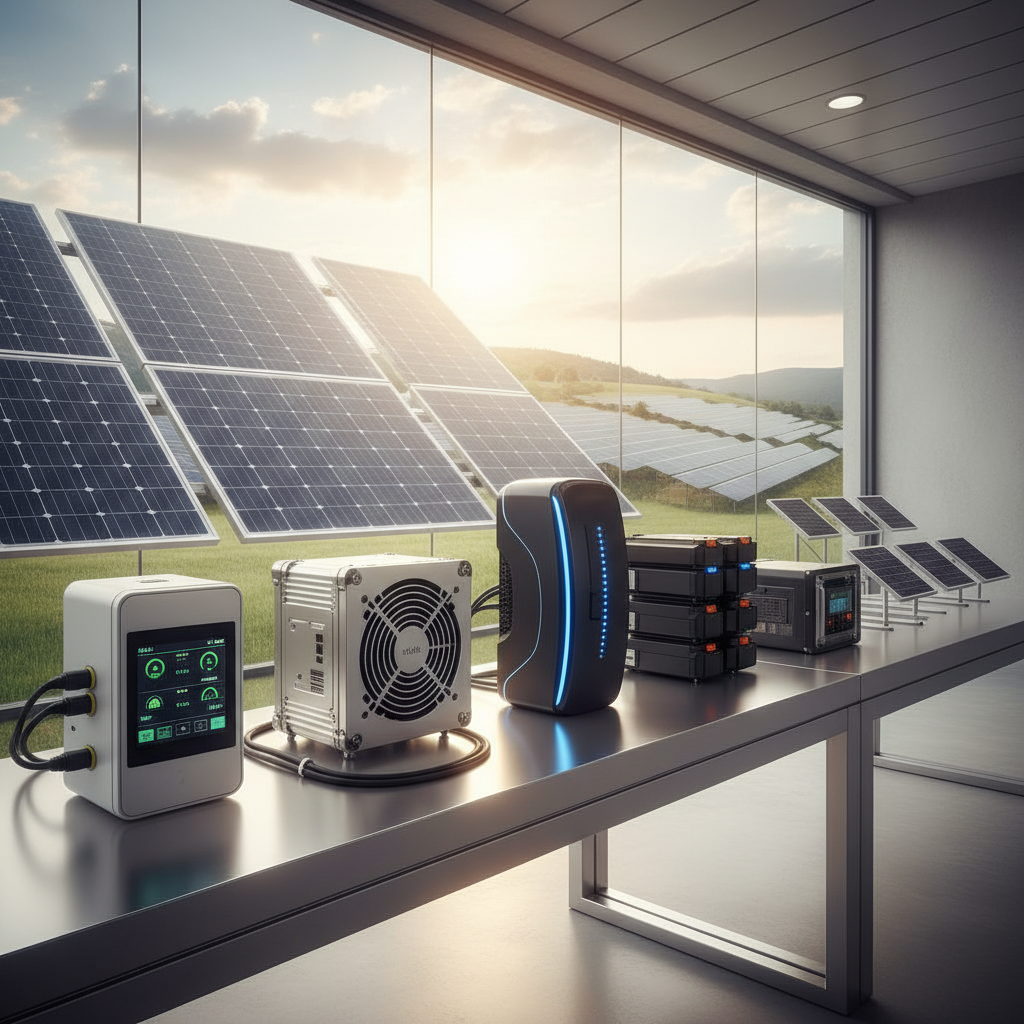
The effectiveness of photovoltaic systems directly hinges on the quality of inverters employed. A recent report by the Global Solar Council emphasizes that advancements in inverter technology can enhance energy conversion efficiency by as much as 20%, thereby increasing the overall yield of solar installations.
As the demand for energy continues to surge and global efforts to combat climate change intensify, selecting the right inverter becomes critical for optimizing solar performance. In this article, we will explore the top five photovoltaic inverters for 2025, offering key insights and tips to ensure users can maximize their solar energy investment efficiently and effectively.
Overview of Photovoltaic Inverter Technologies
The landscape of photovoltaic (PV) inverter technologies is rapidly evolving, driven by a continuous demand for energy efficiency in solar energy systems. As of 2023, the global PV inverter market is projected to reach approximately $20 billion, reflecting a compound annual growth rate (CAGR) of over 10% from 2021. This growth is largely attributed to advancements in inverter technology, particularly through innovations such as string inverters, central inverters, and microinverters. Each type of inverter serves specific applications, with string inverters dominating the residential market due to their cost-effectiveness and reliability.
String inverters, for instance, are designed to connect a series of solar panels, making them ideal for residential installations where space and orientation can vary. According to the International Energy Agency (IEA), string inverters improve efficiency through maximum power point tracking (MPPT), which optimizes the power yield by adjusting for temperature and sunlight variations. On the other hand, microinverters, which are typically installed on each panel, offer enhanced efficiency and greater energy harvest, particularly in shaded environments. Reports indicate that systems utilizing microinverters can achieve up to 20% more energy production in partially shaded conditions compared to traditional string setups. As the solar market continues to grow, understanding these technologies will be crucial for maximizing solar energy efficiency and advancing renewable energy goals.
2025 Top 5 Photovoltaic Inverters for Maximizing Solar Energy Efficiency
This chart presents the efficiency rates of the top five photovoltaic inverters for the year 2025. Higher efficiency percentages indicate better performance in converting solar energy into usable electrical energy.
Key Features to Consider for Optimal Performance
When considering the top photovoltaic inverters for maximizing solar energy efficiency in 2025, there are several key features to focus on for optimal performance. Efficiency ratings are paramount; look for inverters that boast high conversion rates to ensure that more solar energy is transformed into usable electricity.
Furthermore, durability and weather resistance are crucial to ensure longevity and reliability, particularly in varying environmental conditions.
Another vital aspect is smart technology integration. Inverters that offer features like real-time monitoring and connectivity to smart home systems can enhance energy management and user experience. Additionally, consider the inverter’s warranty and customer support options, as these can significantly affect long-term satisfaction and performance. By focusing on these key features, you can select an inverter that not only meets your energy needs but also contributes to the overall effectiveness of your solar energy system.
Top 5 High-Efficiency Inverters in 2025
As the demand for solar energy continues to rise, the efficiency of photovoltaic inverters becomes increasingly crucial in maximizing energy output. In 2025, innovative inverter technologies are poised to lead the market by enhancing solar system performance. One standout option is the microinverter, which operates at the module level, allowing for greater energy harvest even in partially shaded conditions. This technology minimizes energy loss and provides real-time monitoring for optimal performance.
Another high-efficiency choice is the string inverter with advanced MPPT (Maximum Power Point Tracking) capabilities. These inverters can efficiently monitor and adjust the power output from a string of solar panels, ensuring maximum energy capture throughout the day. Features like integrated energy management systems and compatibility with battery storage solutions further highlight their role in modern solar setups. As homeowners and businesses seek to maximize their solar investment, these next-generation inverters represent a significant leap forward in renewable energy technology.
2025 Top 5 Photovoltaic Inverters for Maximizing Solar Energy Efficiency
| Model |
Efficiency (%) |
Power Output (kW) |
Weight (kg) |
Warranty (Years) |
| Model A |
98.5 |
10 |
20 |
10 |
| Model B |
98.3 |
12 |
22 |
12 |
| Model C |
98.0 |
8 |
18 |
15 |
| Model D |
97.9 |
15 |
25 |
10 |
| Model E |
97.5 |
20 |
30 |
12 |
Comparative Analysis of Inverter Brands and Models
When selecting a photovoltaic inverter, understanding the differences among brands and models is crucial for maximizing your solar energy efficiency. This comparative analysis focuses on key players in the market, noting the performance, reliability, and innovative features of each. Brands like SMA, SolarEdge, and Fronius stand out for their robust monitoring capabilities and warranty offerings.
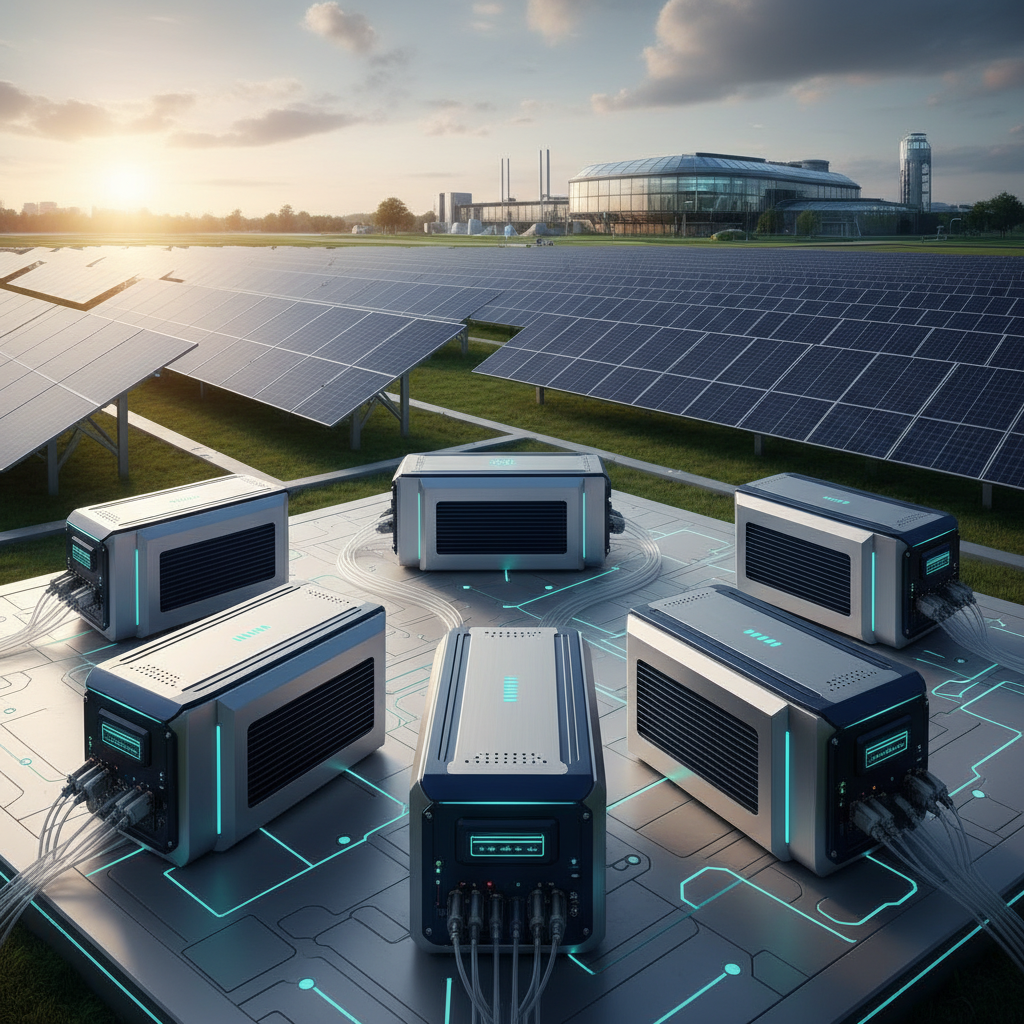 Meanwhile, newer contenders such as Enphase Microinverters provide unique advantages in system flexibility and efficiency, especially for complex roof layouts.
Tips: When evaluating inverters, consider the specific needs of your solar panel system. Look for inverters with optimized MPPT (Maximum Power Point Tracking) technology, which enhances energy harvest during varying sunlight conditions. Also, ensure the inverter comes with a strong warranty; a longer warranty often indicates manufacturer confidence in the product's durability and efficiency.
Another critical factor is the inverter's compatibility with additional components, such as battery storage systems. Integrating storage can further enhance your energy independence and reduce reliance on the grid. Comparing installation costs and long-term savings should also play a key role in your decision-making process, as investing in a higher-quality inverter can yield significant efficiency gains over time.
Future Trends in Solar Inverter Development and Efficiency
The future of solar inverter development is poised for significant advancements driven by
technological innovation and increasing demand for
energy efficiency.
According to a recent report by BloombergNEF, the global solar inverter market is expected to grow at a
compound annual growth rate (CAGR) of 10.2%, reaching a
value of $10 billion by 2025. This growth is largely fueled by the
increasing adoption of residential and commercial solar systems, which require high-efficiency inverters to maximize
energy output and reduce overall costs.
One of the emerging trends in the solar inverter market is the integration of smart technologies. As noted in a report by IHS Markit, the adoption of
artificial intelligence and
machine learning in inverters is expected to improve energy management and
predictive maintenance, thereby enhancing overall efficiency. Additionally, the shift towards more modular and
compact inverter designs not only optimizes space but also minimizes energy losses. As solar technology continues to evolve,
inverter manufacturers are focusing on improving conversion efficiencies, with many new models expected to exceed
98% efficiency by 2025, paving the way for a more sustainable energy future.