Top 10 Car Inverter Features Every Buyer Should Know?
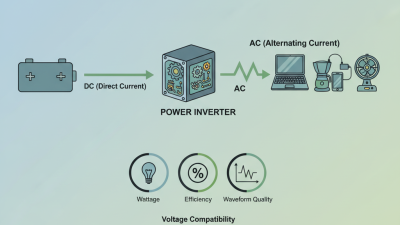
When it comes to vehicle accessories, a Car Inverter is often overlooked. Yet, this device can be a game changer for road trips, camping, or even daily commuting. It converts your car's DC power into AC, allowing you to charge various devices. In today's tech-driven world, knowing its features is essential.
Buyers should be aware of key characteristics that impact functionality and safety. A well-chosen Car Inverter can provide reliable power for your laptop, phone, or other electronics. However, with so many options available, it’s crucial to understand which features matter most.
Quality matters when selecting a Car Inverter. Not all inverters perform the same way. Some might lack essential safety features, leading to potential hazards. Reflecting on these aspects can help you make an informed decision. Knowing what to look for ensures that your Car Inverter serves you well on all your journeys.
Essential Specifications of Car Inverters to Consider Before Buying
When choosing a car inverter, essential specifications are crucial.
Power output is one significant feature. Most inverters range from 150 watts to 3000 watts. This range dictates what devices you can power. For instance, a 300-watt inverter can easily handle small electronics, while a 2000-watt model is suitable for more demanding equipment.
Another critical factor is the inverter's type. Sine wave and modified sine wave inverters serve different needs. Sine wave inverters are ideal for sensitive devices, offering cleaner energy. In contrast, modified sine wave inverters work well for basic electronics but might struggle with delicate gadgets. According to industry reports, nearly 20% of users experience issues because they overlook this aspect.
Portability matters too. A compact inverter is easier to store and use. Many weigh less than five pounds, making them convenient for travel. Additionally, safety features are essential. Look for inverters with overload protection and short-circuit prevention. As reported by consumer safety studies, safety failures account for 15% of inverter-related accidents. Ensure your choice prioritizes both performance and safety.
Understanding Different Types of Car Inverters: Pros and Cons
Car inverters come in various types, each with unique features that cater to different needs. Understanding these types is crucial for informed buying decisions. The primary categories are modified sine wave and pure sine wave inverters.
Modified sine wave inverters are more affordable. They work well for basic devices like lights or small chargers. However, they can produce noise and may not suit sensitive electronics. This could lead to interference or even damage. On the downside, they are less efficient than their pure sine wave counterparts.
On the other hand, pure sine wave inverters offer smoother power. They can support sophisticated devices including medical equipment and advanced electronics. Yet, they come at a higher cost. Some users may hesitate due to the price point. It's essential to weigh the advantages against your power needs.
Ultimately, the choice between the two types should reflect your usage patterns and budget. Understanding these differences can guide buyers towards the right inverter for their car.
Key Safety Features in Car Inverters: What to Look For
When considering a car inverter, safety features are paramount. One critical aspect is over-voltage protection. This feature prevents damage to your devices when voltage spikes occur. According to industry research, devices with this feature reduce failure rates by up to 30%. Another essential feature is short-circuit protection, which safeguards both the inverter and connected devices.
Heat management is often overlooked. Some inverters can overheat, leading to potential hazards. Look for models with built-in cooling fans or thermal shutdown mechanisms. Data suggests that inverters lacking proper heat management can fail, leading to frustrating experiences and possible data loss.
Tip: Always check the wattage rating before purchasing. It’s essential to match the inverter's output with your devices’ requirements.
Surge protection is another vital component. Power surges can damage sensitive electronics. Inverters equipped with surge protection are more reliable. Reports show that such inverters can extend the lifespan of your devices significantly.
Tip: Regularly inspect your inverter for any signs of wear or damage. This practice can prevent unexpected failures.
Pay attention to the inverter's certification. Units that meet safety standards offer added peace of mind. Investing in a reliable inverter can save you from costly mistakes long-term.
Top 10 Car Inverter Features Every Buyer Should Know
| Feature |
Description |
Importance |
| Power Output |
The maximum wattage the inverter can provide, crucial for running appliances. |
High importance for compatibility with device needs. |
| Safety Features |
Includes protections against overloads, short circuits, and overheating. |
Essential for preventing damage and ensuring user safety. |
| Portability |
Size and weight considerations for ease of transport. |
High importance for users needing mobile power sources. |
| Number of Outlets |
The number of devices that can be connected simultaneously. |
High importance for multi-device usage. |
| Input Voltage |
The voltage of the car battery required to operate the inverter. |
Crucial for compatibility with vehicle power systems. |
| Efficiency Rating |
How efficiently the inverter converts DC to AC power. |
Important for minimizing energy waste. |
| Cooling System |
Includes fans or heat sinks to prevent overheating. |
High importance for longevity and performance. |
| Durability |
The robustness of the inverter against physical and environmental stress. |
Important for outdoor and heavy-duty use. |
| Warranty and Support |
Length and conditions of the warranty offered. |
Essential for peace of mind and customer support. |
| User Reviews |
Feedback from other users about performance and reliability. |
High importance for informed purchasing decisions. |
Power Output Ratings: Determining Your Needs for Car Electronics
When considering a car inverter,
power output ratings are crucial for your electronic needs.
Understanding how much wattage your devices require helps ensure they operate efficiently.
Devices like laptops need around 60 to 100 watts, while small appliances can demand significantly more.
Knowing this information helps you choose the right inverter.
Power ratings often appear as continuous and peak power.
Continuous power shows the wattage the inverter can maintain over time.
Peak power indicates the maximum load it can handle momentarily.
Many buyers overlook these distinctions.
It’s essential to choose an inverter that meets both needs to prevent equipment damage or inverter failure.
Also, consider safety features when purchasing.
Overload protection and short circuit prevention can save you from potential hazards.
Quality matters, but many affordable models offer basic protection.
However, relying solely on low-cost options might lead to failures.
Addressing these aspects thoughtfully can enhance your driving experience and make your car electronics far more reliable.
Portability and Design: Choosing the Right Car Inverter for Travel
When choosing a car inverter for travel, portability is key. A lightweight inverter is easier to store and carry. Compact designs fit snugly in your trunk or under a seat. This convenience is vital for road trips or camping adventures.
Consider the inverter’s weight and dimensions. Smaller models can still offer significant power. However, some users overlook this detail. They may choose larger inverters that become cumbersome. Think about how often you'll be moving it. If your travels involve multiple stops, a portable option shines.
Cable length often gets neglected. A longer cord allows more flexibility. You can reach power sources from various positions in the vehicle. This small feature makes a big difference on the road. Take time to evaluate these aspects. Every feature counts towards a stress-free travel experience.