Top Electric Inverter Tips You Need to Know for Efficiency?
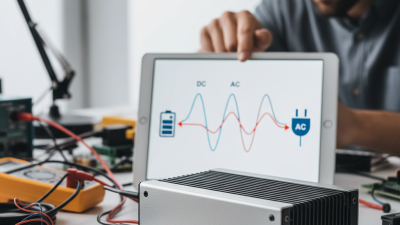
Electric inverters have transformed how we harness and utilize energy. According to a recent report by the International Energy Agency (IEA), global demand for electric inverters has surged by 35% over the past five years. This spike reflects the growing reliance on renewable energy sources, such as solar and wind. Such inverters are essential in converting direct current (DC) into alternating current (AC), making energy usable for homes and businesses.
However, efficiency matters significantly. A poorly selected or maintained electric inverter can lead to losses up to 20%. Many users overlook the importance of matching inverter capacity with their energy needs. Industry experts suggest assessing daily energy consumption before selecting an inverter. Neglecting this can result in wasted energy and higher costs.
Additionally, many consumers are unaware of the benefits of regular maintenance. This often leads to reduced performance and lifespan of electric inverters. Regular checks and updates are crucial in ensuring optimal functioning. Addressing inefficiencies now will help maximize benefits in the long run. Understanding these essential tips can help users make smarter choices in their energy systems.
Understanding Electric Inverters and Their Role in Energy Efficiency
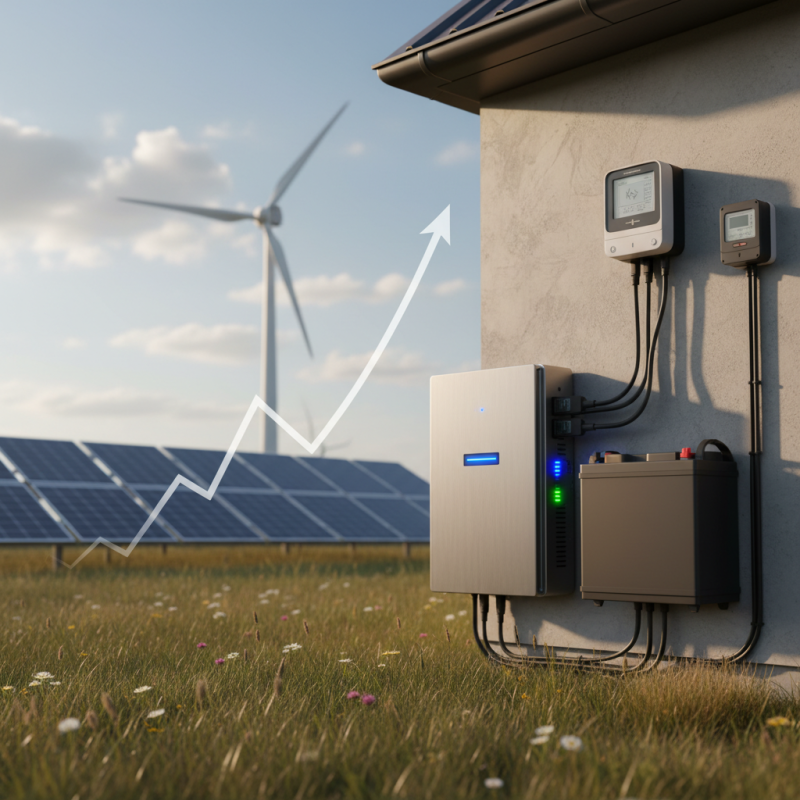
Electric inverters play a crucial role in modern energy efficiency. They convert direct current (DC) electricity into alternating current (AC) electricity. This conversion is essential for appliances that require AC power. Many homeowners rely on solar panels, which generate DC electricity, making inverters vital for a seamless energy flow. Properly understanding how these devices operate can lead to better energy management.
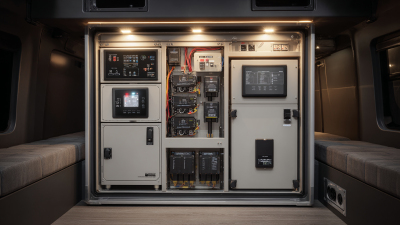
Using inverters efficiently requires attention to detail. For instance, ensure the inverter matches the power output of your energy source. An oversized inverter can lead to unnecessary energy losses, while a smaller one might fail to meet your needs. It's also important to consider inverter placement. Keeping it cool enhances efficiency, as excessive heat can diminish performance. Proper ventilation is often overlooked but can significantly impact lifespan.
Investing time into monitoring inverter performance is essential. Unexpected fluctuations in energy output can indicate underlying issues. Regular maintenance also allows for better functioning. If not addressed, these issues can lead to wasted energy and rising costs. Understanding your inverter's features can empower you to make informed decisions about improving energy efficiency.
Key Features to Look for in Efficient Electric Inverters
When selecting an electric inverter, certain key features can significantly impact efficiency. Look for models offering **high conversion efficiency**. Reports indicate that the best devices reach conversion rates of over 95%. This means more energy is used for actual power, minimizing waste. Consider inverters with a **low total harmonic distortion (THD)**. A THD below 3% is ideal. High THD can affect performance and damage connected devices.
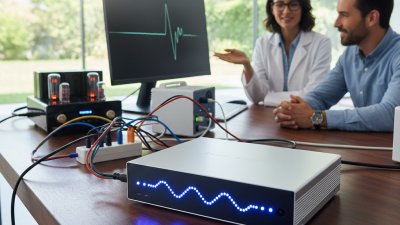
Another vital consideration is the **cooling system**. Efficient inverters often incorporate advanced cooling technologies. These systems help maintain optimal operating temperatures, thus enhancing longevity. Additionally, check for **monitoring capabilities**. Real-time data allows users to track performance and identify inefficiencies promptly. Some users might overlook this feature, only to face energy losses later.
Lastly, consider the **size and weight** of the inverter. Compact models are easy to handle but may lack some features. Striking a balance between size and functionality is crucial. Electric inverters are essential for energy efficiency, but they aren't foolproof. Improper installation or usage can negate their benefits. Always seek wisdom in choices and be ready to adapt.
Top Electric Inverter Efficiency Metrics
Best Practices for Optimizing the Performance of Your Inverter
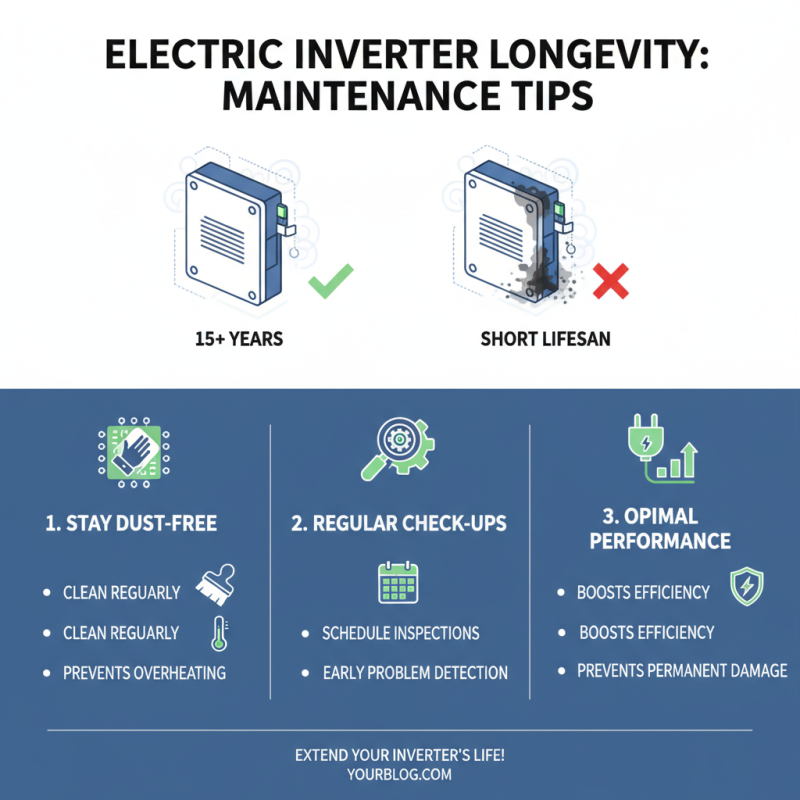
Optimizing the performance of your electric inverter is essential for energy efficiency. Regular maintenance is key. Check connections for corrosion or loose wiring. A small issue can lead to significant energy losses. Clean the inverter regularly to avoid dust buildup, which can hinder its function. Keeping the environment cool is also crucial. Excess heat can reduce efficiency and lifespan.
Understanding your energy usage patterns can help. Analyze when you consume the most power. This knowledge allows for better timing of energy use. Many overlook the importance of proper sizing for their needs. An inverter that’s too large or too small affects performance. Monitoring performance metrics can reveal insights. Regularly check how much energy you're converting and losses during operation.
Lastly, consider your inverter settings. Adjusting the configuration can lead to notable improvements. Experiment with different settings based on your usage. Some settings may not be optimal for everyday use. Recognizing this is part of the optimization journey. Reflect on your experiences, as each tweak brings you closer to efficiency.
Common Mistakes to Avoid for Maximum Inverter Efficiency
When using electric inverters, many common mistakes can lead to reduced efficiency. A typical error is undervaluing the importance of proper sizing. Inverters must match your energy requirements. An incompatible inverter can waste up to 30% more energy, according to industry studies. Oversized inverters may operate less efficiently under partial loads, while undersized units may struggle to meet demand.
Another frequent mistake is neglecting to optimize installation. The placement and configuration of wiring play a crucial role. Long or poor-quality cables can create resistance, diminishing output. A study highlighted that a 10% voltage drop can reduce efficiency by up to 5%. Ensure connections are secure and cables are appropriate for your system's capacity.
Many users also overlook regular maintenance checks. Dust buildup can impede airflow and cause overheating. Routine inspections can help avoid these issues. Statistics show that well-maintained inverters operate 15-20% more efficiently than neglected ones. Remember, even small oversights can lead to significant losses in energy efficiency.
Top Electric Inverter Tips You Need to Know for Efficiency
| Dimension |
Details |
| Optimal Load |
Run inverters at 70-80% of their rated capacity for best efficiency. |
| Regular Maintenance |
Perform routine checks on wiring and connections to prevent energy loss. |
| Temperature Management |
Keep inverters in a well-ventilated, temperature-stable environment. |
| Quality Cables |
Use high-quality cables to reduce voltage drop and improve efficiency. |
| Battery Compatibility |
Ensure batteries match inverter specs to maximize system performance. |
| Monitoring System |
Invest in monitoring systems to track performance and energy output. |
| Avoid Overloading |
Avoid exceeding load ratings to prevent damage and efficiency loss. |
| Proper Installation |
Ensure professional installation to meet all local codes and standards. |