Top Solar Inverters in China for Global Buyers 2026 Guide?
As the demand for renewable energy soars, the market for Solar Inverters in China becomes increasingly competitive. These devices are essential for converting solar energy into usable electricity. Understanding the top models is crucial for global buyers looking to invest in dependable technology.
In 2026, the landscape of Solar Inverters will likely shift. New innovations may emerge, influencing product reliability and efficiency. With various manufacturers vying for attention, selecting the right Solar Inverter requires careful consideration. Factors such as brand reputation, warranty terms, and customer support play vital roles.
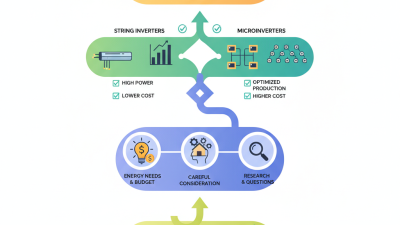
The complexity of the solar inverter market can be daunting. Many options exist, but not all are equal. Buyers should prioritize quality and performance to avoid costly mistakes. Industry experts emphasize the importance of thorough research. Prospective buyers must reflect on their specific energy needs and project scale. With the right approach, investing in Solar Inverters will yield significant long-term benefits.

Overview of Solar Inverters and Their Importance in Solar Systems
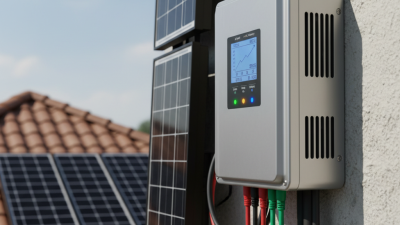
Solar inverters play a crucial role in solar energy systems. They convert the direct current (DC) produced by solar panels into alternating current (AC), which can be used by homes and businesses. Without inverters, solar power would remain in a form that is not usable in most electrical systems. This conversion is essential for making solar energy accessible and practical for everyday use.
The importance of solar inverters extends beyond simple conversion. They also enhance the system's efficiency by optimizing power output, adjusting the energy flow based on real-time conditions. Smart inverters can monitor system performance and detect anomalies, improving reliability. The right inverter ensures that solar energy systems operate at peak performance.
However, selecting the right inverter is not a straightforward task. With countless options available, buyers must consider specifications carefully. Efficiency ratings, warranty periods, and compatibility with solar panels are critical factors. It’s essential to analyze the unique needs of your solar setup before making a decision. Engaging with professionals can provide insights tailored to specific contexts.
Key Features to Consider When Selecting Solar Inverters
When selecting solar inverters, understanding key features is crucial. Efficiency ratings are essential. Look for inverters with high conversion rates. A more efficient inverter converts more sunlight into usable power. This means lower energy bills and a quicker return on investment.
Additionally, consider the inverter's durability. Many inverters last 5 to 10 years. However, some models can sustain harsh conditions for longer. Look for certifications that guarantee performance in extreme temperatures and weather. A robust design enhances reliability and reduces maintenance costs.
Monitoring capabilities are another vital aspect. Many inverters offer apps or web interfaces. These features enable users to track energy production in real time. This data helps identify issues early. Regular monitoring can prevent performance losses. You may find that not all options provide adequate monitoring, so choose wisely. Keeping track of your system's performance is essential for maximizing your solar investment.
Top Solar Inverters in China for Global Buyers 2026
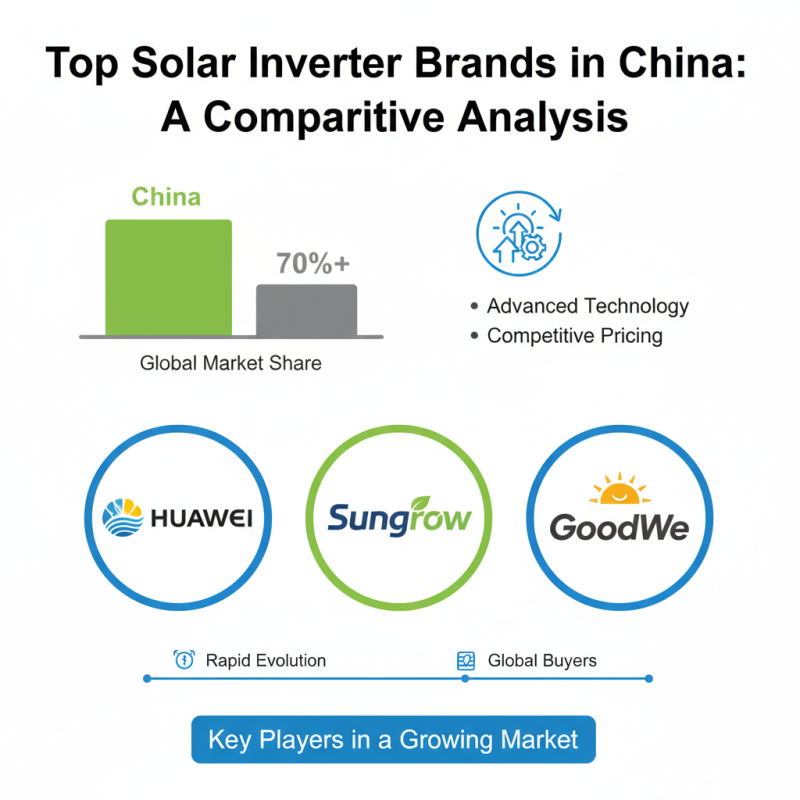
Top Solar Inverter Brands in China: A Comparative Analysis
The solar inverter market in China is rapidly evolving. For global buyers, understanding the top brands is crucial. Recent industry reports indicate that China holds over 70% of the global solar inverter market share. This dominance comes from advanced technology and competitive pricing.
Different brands offer various features like efficiency, durability, and monitoring capabilities. Some focus on residential markets, while others target commercial applications. Efficiency ratings often range from 95% to 99%. Reliability is essential; warranties can vary significantly among brands. Some offer up to 15 years of coverage. This can impact long-term investment value.
Buyers should also analyze customer feedback and technical support. The interface and installation ease are often highlighted by users. Yet, some products receive mixed reviews regarding software updates. Assessing these parameters helps in making informed decisions. Balancing performance and cost is key for successful procurement.
Market Trends and Innovations in China's Solar Inverter Industry
The solar inverter industry in China is evolving rapidly. By 2026, it is projected that the market will grow significantly due to increased demand for renewable energy. According to a recent industry report, the solar inverter market in China is expected to reach a value of $10 billion, driven by advancements in technology and efficiency.
Innovations are emerging in various forms. Companies are focusing on developing smart inverters that can optimize energy management. These devices utilize real-time data for improved performance. For example, the integration of AI technology is enhancing fault detection capabilities. As a result, maintenance costs may decrease over time. Yet, some manufacturers still face challenges in scalability.
Market trends indicate a strong push towards sustainable solutions. The government is supporting initiatives to reduce carbon emissions. However, the pace of innovation varies among companies. While some have achieved remarkable efficiency gains, others lag behind. This inconsistency raises questions regarding the overall reliability of the industry. Investors must evaluate these aspects carefully.
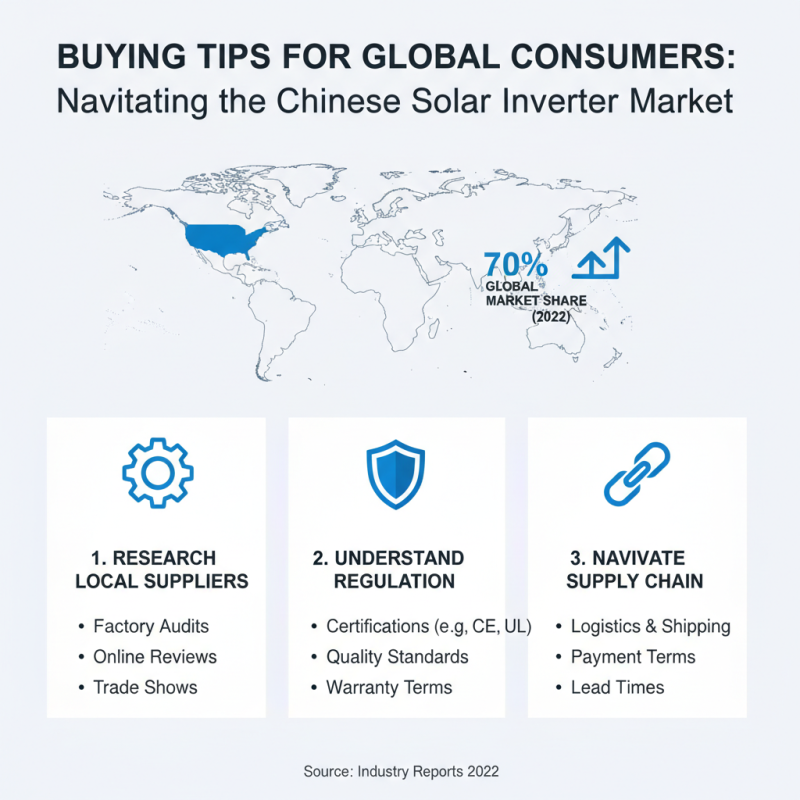
Buying Tips for Global Consumers: Navigating the Chinese Market
When looking to purchase solar inverters in China, consumers should navigate a complex landscape. Reports indicate that in 2022, China held a staggering 70% of the global inverter market share. This presents vast opportunities but also challenges. Understanding local suppliers, regulatory standards, and supply chain dynamics is crucial.
Tip 1: Research local regulations before making any purchases. Regulations can vary significantly across regions in China. Ensure compliance to avoid potential issues.
Many suppliers may seem reliable, but assessing their credibility is vital. Look for certifications like ISO or IEC. Don’t hesitate to ask for references or case studies showcasing their previous work. It's common for deals to be attractive initially, but hidden costs could emerge later.
Tip 2: Compare multiple quotes to gauge reasonable pricing. A low quote might indicate lower quality or missing features.
Finally, be wary of language barriers. Many suppliers may not communicate in English fluently. Clear communication can prevent misunderstandings during the buying process.
Tip 3: Engage a local consultant or use translation services to facilitate discussions. This investment can enhance the purchase experience significantly.