Top 10 Wifi Smart Switch Benefits and Features You Need to Know?
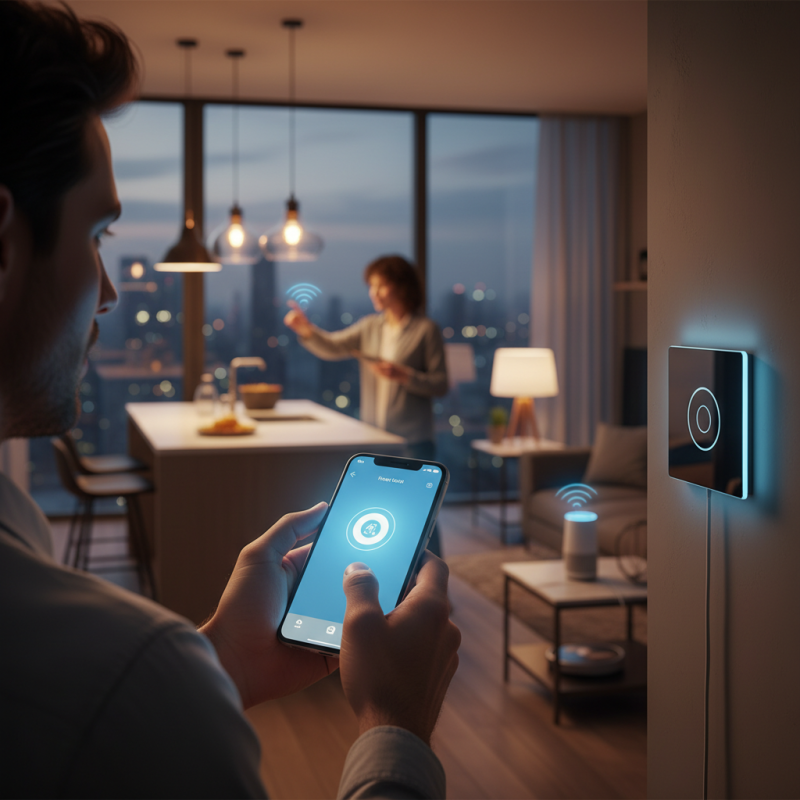
In today's fast-paced tech world, a Wifi Smart Switch can transform how we interact with our homes. Industry expert John Smith once stated, “Smart switches are the backbone of modern smart homes.” This emphasizes their importance in our daily lives.
Imagine controlling your lights with a simple tap on your smartphone. However, not every switch delivers the same benefits. Confusing installations and compatibility issues can frustrate users. The potential for energy savings and enhanced convenience is significant, yet challenges still exist.
Exploring the top benefits of Wifi Smart Switches reveals their transformative power. From voice commands to remote access, they offer flexibility. But it’s important to weigh these advantages against potential drawbacks. Not all smart switches integrate seamlessly with existing systems. Understanding these pros and cons can guide your choices wisely.
Understanding Wifi Smart Switches: An Overview
WiFi smart switches have transformed how we interact with our homes. These devices allow users to control lights and appliances remotely via smartphones. According to a report by MarketsandMarkets, the smart home market will reach $174 billion by 2025. This indicates a growing interest in smart solutions, reflecting changing consumer behaviors.
Installation is straightforward but requires careful attention to details. Many users may struggle during the setup process. It’s essential that homeowners understand WiFi range implications. A weak signal can limit functionality. Connectivity issues are a common frustration. Moreover, users often overlook security features. Data protection is crucial, given that smart switches can be potential entry points for cyberattacks.
A study by Statista highlights that 40% of consumers are concerned about privacy when using smart devices. People want convenience but also seek reassurance. Balancing ease of use with robust security features remains a challenge. Effective integration with other smart home devices can provide seamless experiences, yet consumers must remain vigilant. Being aware of potential vulnerabilities is essential for safe home automation.
Key Benefits of Using Wifi Smart Switches in Your Home
In today's smart home landscape, WiFi smart switches are gaining popularity. They offer convenience and seamless integration. A recent report shows that 72% of homeowners prefer smart devices for better control. These switches allow users to manage lighting with ease from their smartphones or voice assistants. Imagine turning off all lights with a simple command. This is the new norm.
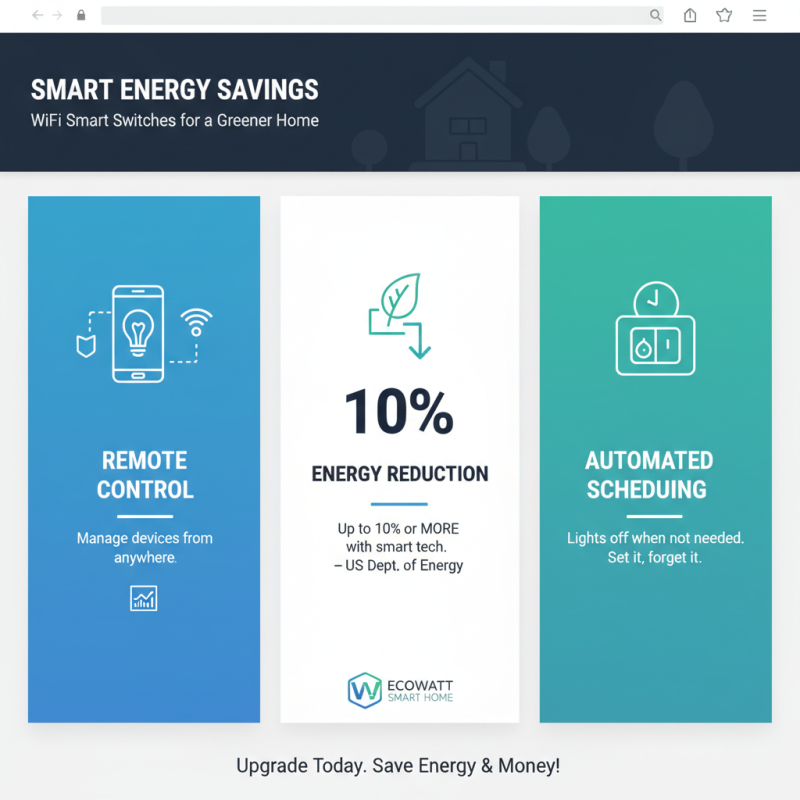
Energy efficiency is another compelling benefit. According to the U.S. Department of Energy, smart switches can reduce energy consumption by up to 30%. They help track usage patterns and adjust settings automatically. This feature not only saves money but also reduces carbon footprints. However, users should consider their WiFi coverage. A weak signal can result in unreliable connections.
Another important aspect is the ease of installation. Many switches don't require professional help and can be set up in minutes. A survey found that 65% of users appreciated the DIY aspect. Yet, some may struggle with compatibility issues. Understanding the electrical system in your home is essential. Taking these challenges into account can lead to more informed choices.
Essential Features to Look for in Wifi Smart Switches
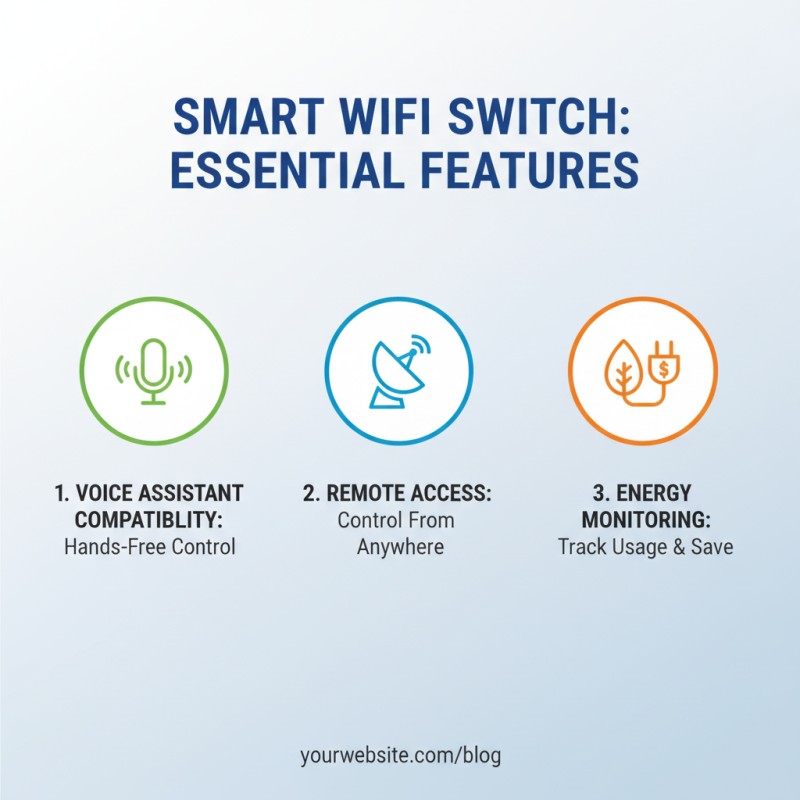
When choosing a WiFi smart switch, essential features play a crucial role. Look for compatibility with voice assistants. This enables hands-free control. Consider remote access as a must-have feature. It allows you to control the switch from anywhere. Energy monitoring is also valuable. It helps you track power usage and reduces expenses.
Tip: Always check the installation process. Some switches require a neutral wire, while others do not. Choose one that suits your home wiring. This can prevent frustration during setup.
Another important feature is scheduling. A reliable smart switch lets you set timers for your lights. This adds convenience and increases security. Automating lights can deter intruders when you are away. Additionally, look for a user-friendly app. It should allow easy management of multiple switches.
Tip: Read user reviews. They can reveal potential issues or benefits that specifications might not cover. This helps you make a more informed decision, reducing the chances of regret later. Smart switches can enhance your home, but not all will meet your needs perfectly.
Security Considerations for Wifi Smart Switch Usage
When using Wifi smart switches, security is crucial. These devices connect to your home network, making them potential entry points for cyber threats. A weak password can easily be breached, allowing unauthorized access to your devices. Regularly updating your passwords is essential. Additionally, utilizing two-factor authentication can enhance security.
Understanding network vulnerabilities is important. Outdated firmware in smart switches can create openings for hackers. It’s vital to keep the software updated to close these gaps. Users often overlook this, thinking their devices are secure. Routine checks can save you from potential breaches.
Consider using a separate network for smart devices. This can isolate them from your main network. If a smart switch is compromised, it limits the damage. Increased privacy can come from managing device permissions carefully. Not all apps require location access. Thoughtful monitoring of device activity is key to ensuring your network remains safe.
Top 10 Wifi Smart Switch Benefits and Features You Need to Know
| Benefit/Feature |
Description |
| Remote Control |
Allows users to control appliances from anywhere using smartphones. |
| Scheduling |
Set timers for appliances to turn on/off automatically at specific times. |
| Energy Monitoring |
Track energy consumption to help reduce electricity bills. |
| Voice Control |
Compatible with voice assistants like Alexa or Google Assistant for hands-free operation. |
| User-Friendly Interface |
Intuitive smartphone apps for easy setup and monitoring. |
| Smart Home Integration |
Works seamlessly with other smart home devices. |
| Multi-User Access |
Multiple family members can control the switch from their devices. |
| Modern Design |
Sleek and stylish design that complements home decor. |
| Security Features |
Includes encryption protocols to protect against hacking. |
| Child Safety Lock |
Prevents accidental use by children with a locking feature. |