Why Choose Home Sockets for Your Electrical Needs?
In today's fast-paced world, choosing the right electrical fittings is essential. Home sockets play a vital role in ensuring our devices function safely and efficiently. These sockets are designed for everyday use, maximizing convenience while minimizing risks.
Home sockets come in various styles and specifications. This variety allows homeowners to select options that best suit their needs and preferences. However, not all home sockets are created equally. Some may lack durability, leading to potential hazards. Regular checks and updates can help ensure safety and reliability.
Using high-quality home sockets establishes a strong foundation for your electrical system. They provide peace of mind and support sustainable energy use. Investing in reliable sockets can prevent future problems, ensuring your home's electrical layout is efficient and safe.
Benefits of Using Home Sockets for Everyday Electrical Use
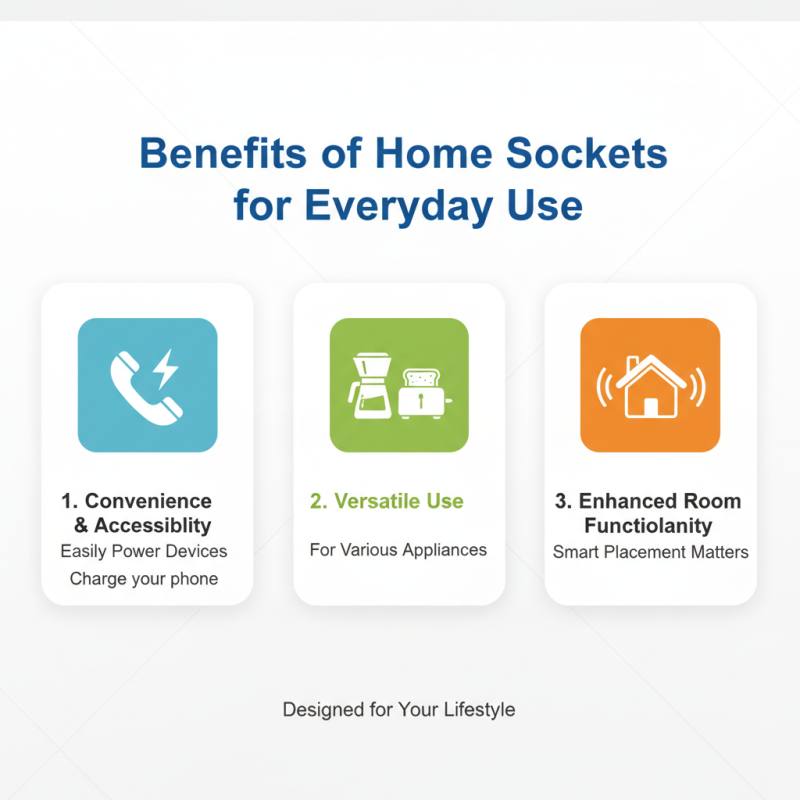
Home sockets are essential for satisfying daily electrical needs. They provide convenience and accessibility for various devices. Whether charging your phone or powering appliances, home sockets are designed for your lifestyle. The right placement of sockets can enhance the functionality of any room.
Using home sockets encourages safety and efficiency. Modern sockets come with features that protect from overload and short circuits. This is crucial for preventing accidents in households. However, many people overlook regular maintenance. Dust can accumulate, leading to potential hazards.
Every home should prioritize proper socket installation. Incorrectly placed sockets can inconvenience users and create safety risks. It is a good practice to consult with a professional electrician. They can ensure that sockets meet safety standards and user needs. Making these small adjustments in your home can lead to a noticeable improvement in ease of use.
Types of Home Sockets and Their Specific Applications
Home sockets are essential for modern living. They cater to a wide array of electrical needs, from powering appliances to charging devices. Understanding different types of home sockets is crucial to meet specific requirements.
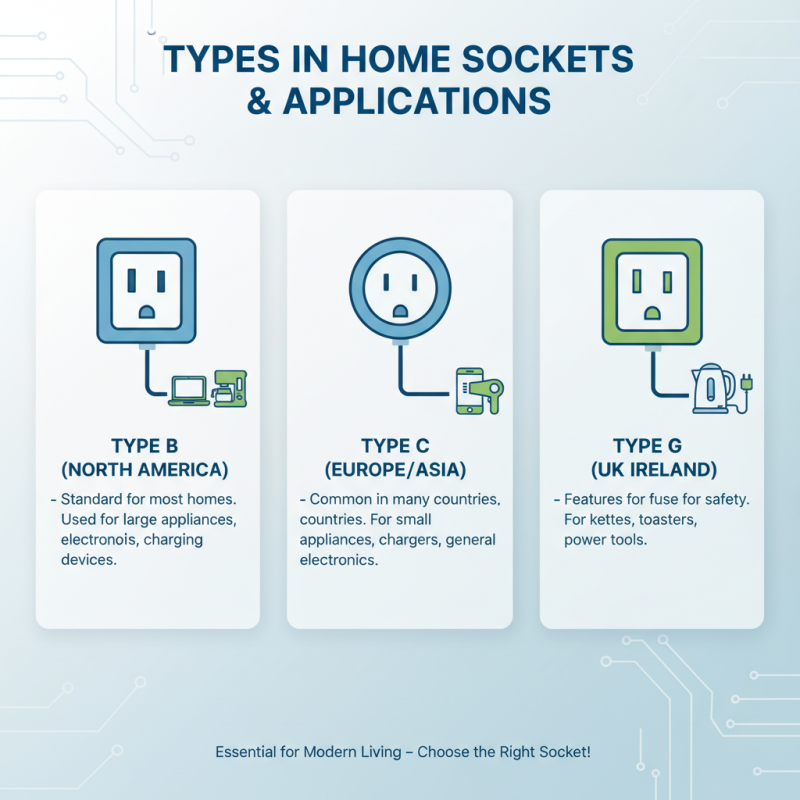
There are several common types of sockets, each serving distinct purposes. The standard Type A socket is prevalent in regions like North America. It typically accommodates devices with lower power demands, such as lamps and chargers. In contrast, Type C sockets, often found in Europe, can handle higher wattage. A recent report by the International Electrotechnical Commission noted that proper socket choice can enhance both safety and efficiency in households.
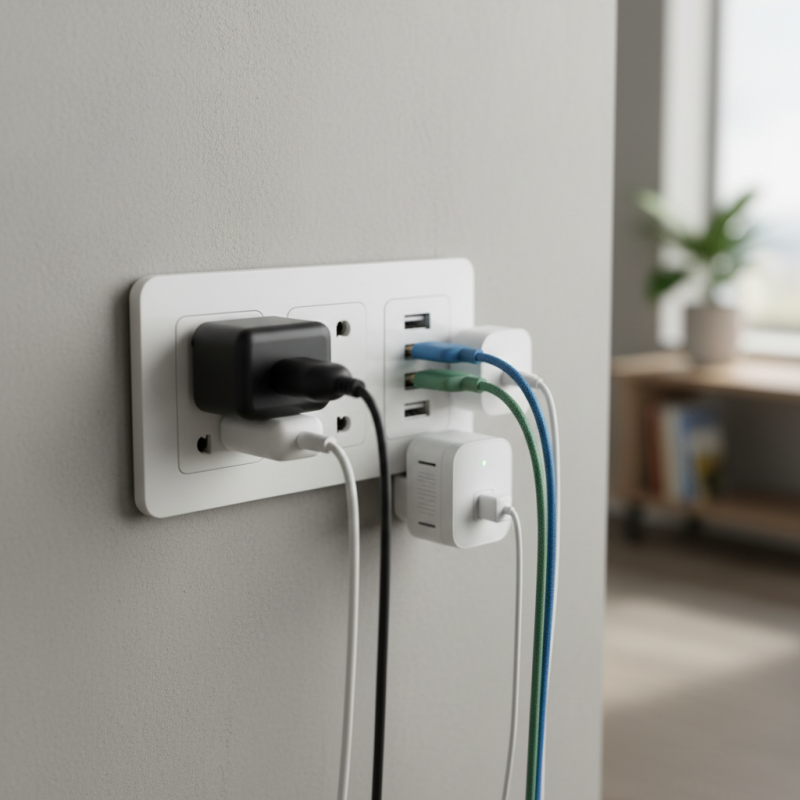
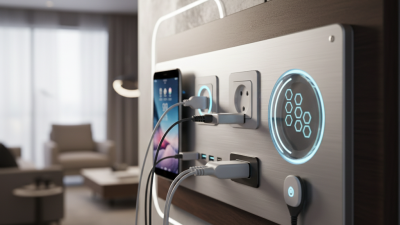
In addition, specialized sockets like USB-integrated versions are becoming popular. They simplify charging multiple devices without cluttering space with adapters. However, issues arise when these sockets are overloaded. A study from the National Fire Protection Association highlighted that improper usage leads to a significant number of electrical fires. Awareness of each socket’s limits can prevent accidents and ensure reliability in your home environment.
Safety Considerations When Installing Home Sockets
When installing home sockets, safety should be a top priority. A poorly installed socket can lead to electrical fires, shocks, or even electrocution. Ensure that the wiring is done according to local codes. If unsure, consulting with a licensed electrician is always a good option. A professional can provide insights that a DIY approach might overlook.
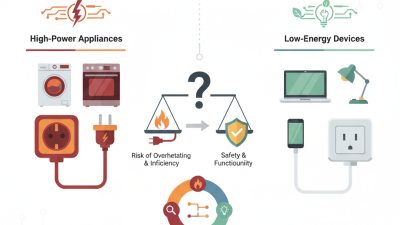
Another important aspect is selecting the right materials. Cheap or substandard sockets may fail to handle the power load. This can cause overheating and dangerous situations. Consider sockets that offer built-in protections against surges and overloads. These features add an extra layer of security for your home.
Regular maintenance is also crucial. Check sockets for signs of wear and tear. Look for discoloration, loose connections, or unusual noises. These may indicate underlying issues that need immediate attention. Being proactive can help avoid significant problems later. Safety in your home heavily relies on vigilance and proper installation practices.
Electrical Safety Considerations When Installing Home Sockets
Energy Efficiency: How Home Sockets Can Help Reduce Costs
Home sockets play a significant role in energy efficiency. By using advanced technology, they help to manage electricity consumption effectively. Many households overlook this simple yet impactful feature. A well-designed home socket can save you money while keeping your appliances powered.
These sockets often come with energy monitoring capabilities. This means you can track how much energy each device uses. When you identify energy-hungry appliances, you can make better choices. For example, unplugging devices when not in use can greatly minimize waste. Many don’t realize that standby power can account for a noticeable portion of your bill.
Incorporating home sockets with smart features adds another layer of efficiency. They allow remote control and scheduling of devices. This can lead to significant savings over time. Yet, not all homes utilize these features fully. Awareness and proper usage can turn your typical home into an energy-efficient haven. It's essential to reflect on your current practices and explore how they might evolve.
Installation Tips for Maximizing Home Socket Functionality
Proper installation of home sockets significantly enhances functionality and safety. A recent report from the National Fire Protection Association indicates that faulty electrical systems cause nearly 50,000 house fires annually. Therefore, ensuring that sockets are installed correctly is critical. Make sure to position sockets near areas of heavy usage, such as kitchens and living rooms. This reduces the need for extension cords, which often become fire hazards.
When installing home sockets, consider using ones with built-in circuit breakers. This can further protect your devices and limit electrical hazards. According to the Electrical Safety Foundation International, homes with modern socket designs can reduce the risk of electrocution by up to 30%. Additionally, always make certain that your sockets are grounded properly. Improper grounding is a common issue that can lead to electrical surges.
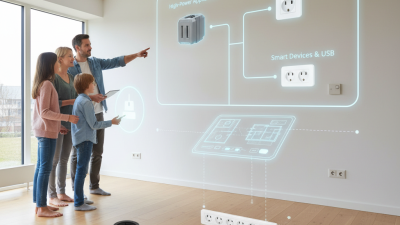
Addressing the spacing of sockets is also essential. Many homeowners underestimate how many outlets they truly need. A common pitfall is overcrowding, which can strain circuits. Planning ahead ensures that you have enough outlets, reducing the temptation to plug multiple devices into one socket. Assess the layout of your home and the flow of foot traffic. It’s easy to overlook these details until it becomes a problem.
Why Choose Home Sockets for Your Electrical Needs? - Installation Tips for Maximizing Home Socket Functionality
| Socket Type |
Voltage Rating |
Amperage |
Usage Location |
Installation Tips |
| Standard Wall Socket |
120V / 240V |
15A / 20A |
Living Room, Bedroom |
Ensure proper grounding and use a level for alignment. |
| GFCI Socket |
120V |
15A |
Kitchen, Bathroom |
Install in moisture-prone areas, follow circuit breaker requirements. |
| USB Socket |
5V |
3A (total) |
Office, Bedroom |
Avoid overloading with high-demand devices. |
| Smart Socket |
120V / 240V |
15A |
Anywhere |
Install following Wi-Fi connectivity requirements for optimal performance. |