Why Do You Need an Energy Inverter for Your Home?
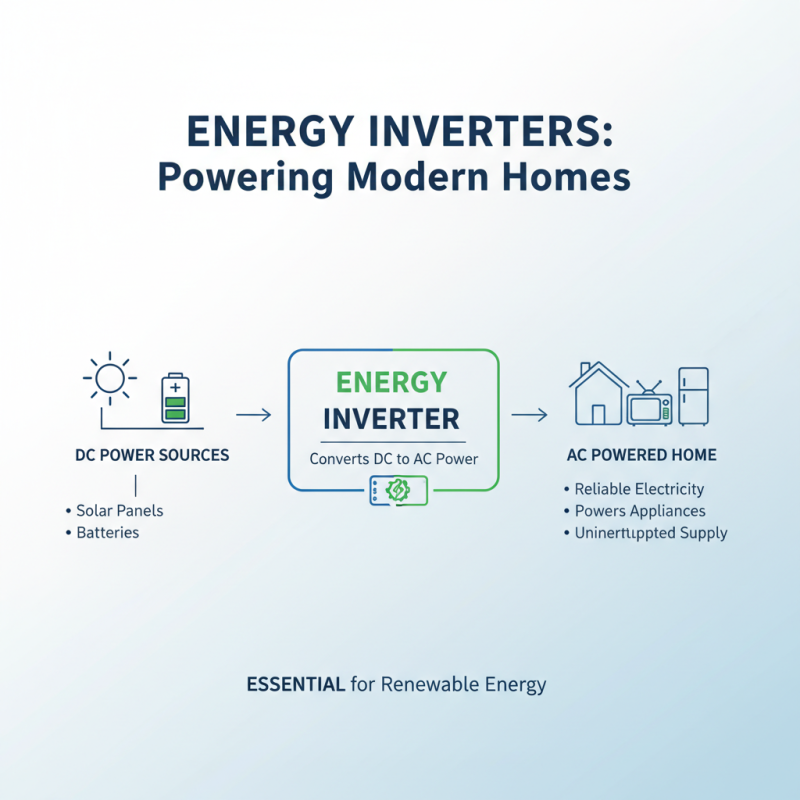
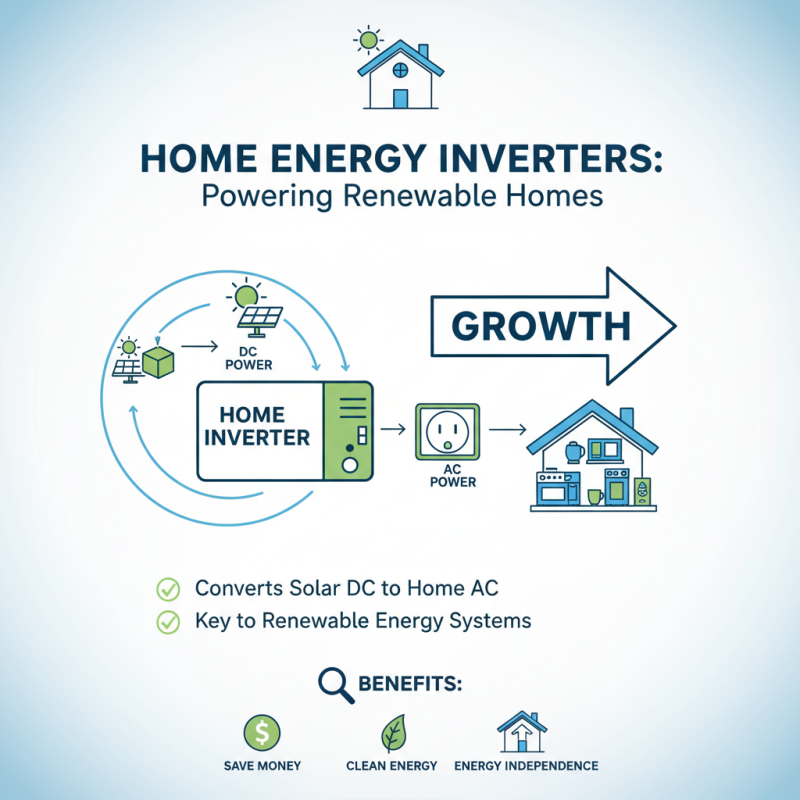
As we move towards a more sustainable future, the role of an Energy Inverter in our homes becomes crucial. David Greene, a leading expert in renewable energy systems, once stated, "An Energy Inverter is the heartbeat of efficient energy use." This highlights its significance in converting direct current (DC) from solar panels into alternating current (AC) for home use.
Energy Inverters enable homeowners to harness solar power effectively. They ensure that your appliances receive the right type of energy. Without this technology, maximizing solar energy’s potential would be nearly impossible. Imagine relying solely on your grid electricity during power outages. It can be frustrating and unsustainable.
However, choosing the right Energy Inverter is not always straightforward. Considerations such as efficiency, size, and compatibility are vital. Many may overlook these aspects, risking lower energy production. Reflecting on your energy needs can lead to better decisions. Embracing this technology can result in tangible savings and a smaller carbon footprint while enhancing energy independence in your home.
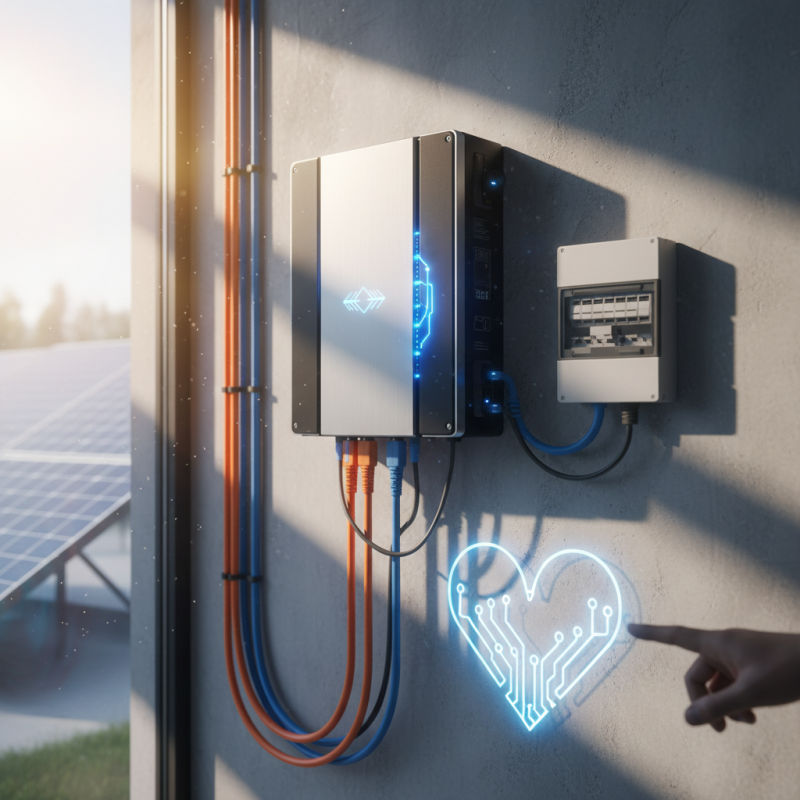
Understanding Energy Inverters: Definition and Functionality
Energy inverters play a crucial role in modern homes. They convert direct current (DC) from renewable sources into alternating current (AC), which is what most household appliances use. Without an inverter, you couldn't rely on solar panels or batteries effectively. This means your energy supply could be intermittent and unreliable.
The functionality of an energy inverter is more than just conversion. It also aids in managing energy flow. An inverter monitors your energy usage. It helps optimize performance by storing excess energy. Often, a small percentage of energy can be lost in this process. This can be frustrating. Users may wonder if there are ways to minimize these losses. Instead of simply relying on technology, homeowners should also consider their energy consumption habits.
Understanding how inverters work can enhance their efficiency. However, it's not a perfect system. Some inverters may struggle with high loads or fluctuating energy conditions. Recognizing these limits is essential. By being aware, you can make informed decisions about energy management in your home. The goal is not just to use more energy, but to use it wisely.
The Role of Energy Inverters in Renewable Energy Systems
Energy inverters play a crucial role in renewable energy systems. They convert direct current (DC) electricity from sources like solar panels into alternating current (AC) electricity, which is used in most homes. Without this conversion, the energy generated by renewable sources cannot power everyday appliances. The inverter acts as a bridge, ensuring that clean energy is usable.
Inverters also enhance energy efficiency. They manage how much energy flows into the home, preventing waste. However, they can be complex and require maintenance to function optimally. Regular checks are necessary, and this can be an overlooked aspect for many homeowners. A faulty inverter may lead to energy loss, which defeats the purpose of utilizing renewable resources.
Moreover, many people are unaware that inverters can impact energy quality. Fluctuations in electricity can affect sensitive devices. This means an investment in a good inverter is essential. Some might think choosing any inverter is sufficient, but that’s not always true. Thinking critically about inverter choices can lead to better energy management.
Market Trends: Growth of Home Energy Inverter Installations
The market for home energy inverters is experiencing notable growth. Many homeowners are becoming aware of the benefits these devices offer. They convert direct current (DC) from solar panels into alternating current (AC) for home use. With more people investing in renewable energy, inverters play a key role.
The rise in home energy solutions reflects changing consumer behavior. More households are adopting solar panels to reduce electricity bills. The efficiency of inverters is a significant concern. Homeowners often face challenges in choosing the right inverter for their needs. Some installations are not as effective due to improper sizing. This creates a gap in the potential benefits.
Moreover, government incentives have spurred this growth. Tax credits encourage consumers to install energy systems. Yet, many still hesitate, fearing complex installation processes. A lack of knowledge about inverter technologies limits their adoption. Over time, education about these systems is crucial for driving further acceptance. As awareness expands, the market for energy inverters will continue to grow.
Cost-Benefit Analysis: Energy Savings from Inverter Usage
An energy inverter is vital for optimizing energy efficiency in your home. It converts direct current (DC) to alternating current (AC), allowing you to use renewable sources effectively. The energy savings from inverter usage can be substantial, especially with rising electricity rates.
Many homeowners notice lower electric bills after installing an inverter. This can add up to significant savings over time. By using solar panels or wind turbines, the inverter efficiently utilizes renewable energy. While the initial investment may seem high, the long-term benefits often outweigh the costs.
Tip: Consider calculating your potential savings before installation. Research the energy needs of your household. A good analysis will help justify the purchase.
However, not all installations are perfect. Sometimes, inverters may underperform due to poor placement. Ensure they are located in shaded areas for optimal performance. Regular maintenance is also important. This can prevent unexpected costs later.
Tip: Keep track of performance metrics. Regular checks can reveal inefficiencies that need addressing. Not everything is always smooth sailing, and identifying issues early can maximize your savings.
Safety and Efficiency: How Inverters Protect Your Home’s Electrical System
Inverters play a crucial role in enhancing safety and efficiency within your home’s electrical system. They convert direct current (DC) from solar panels or batteries to alternating current (AC) used by household appliances. According to the National Renewable Energy Laboratory, utilizing inverters can lead to a 20% increase in overall energy efficiency. This is particularly important when energy costs rise.
Besides efficiency, inverters offer significant safety benefits. They include features that protect against overloads and short circuits. The Electrical Safety Foundation International reported that equipment failures and electrical mishaps are responsible for thousands of house fires every year. Inverters help to mitigate these risks, allowing homeowners to feel more secure. However, not all inverters are created equal; cheap models may lack essential safety features.
Understanding your home's energy demands is vital. Some users might overlook the compatibility between inverters and their devices. A mismatch could lead to inefficiencies and potential hazards. Investing time in researching and selecting the right inverter makes all the difference. Your safety depends on it.
Why Do You Need an Energy Inverter for Your Home? - Safety and Efficiency: How Inverters Protect Your Home’s Electrical System
| Feature |
Description |
Benefits |
| Voltage Regulation |
Maintains a consistent voltage level to protect appliances. |
Reduces the risk of electrical damage to devices. |
| Surge Protection |
Shields home devices from power surges. |
Prevents costly repairs and replacements of electronics. |
| Energy Efficiency |
Optimizes energy use by converting current efficiently. |
Lowers energy bills and reduces carbon footprint. |
| Backup Power |
Provides power during outages when connected to batteries. |
Ensures the continuity of essential services during blackouts. |
| Noise Filtering |
Minimizes electrical noise and spikes. |
Enhances the performance of sensitive electronics. |