Top 10 Best Dimmer Switches for Your Home Lighting Needs?
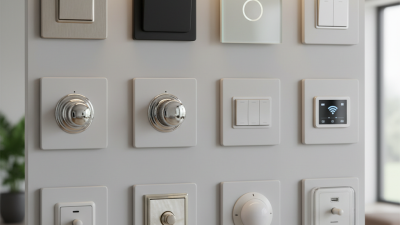
Choosing the right dimmer switch can significantly enhance your home lighting experience. A dimmer switch not only allows you to control brightness but also sets the mood for any occasion. It's an essential tool for homeowners seeking comfort and style in their environments.
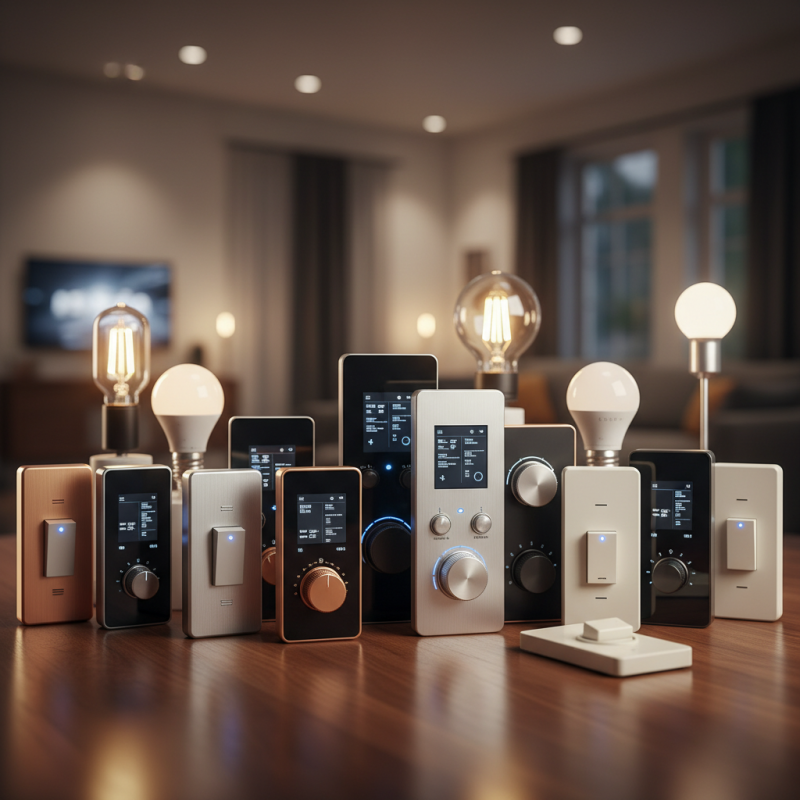
Consider the variety of dimmer switches available. Some offer smart technology integration, while others feature traditional designs. Selecting the right one can be overwhelming. Features such as compatibility with LED bulbs and ease of installation are crucial. Reading reviews and seeking expert advice can help narrow your options.
Safety and reliability are paramount when it comes to electrical fixtures. Some dimmers may not provide the same performance or longevity as others. It’s important to invest time in researching trusted brands. A well-chosen dimmer switch can transform a room, making it more inviting and functional.
Understanding Dimmer Switches: The Basics and Benefits
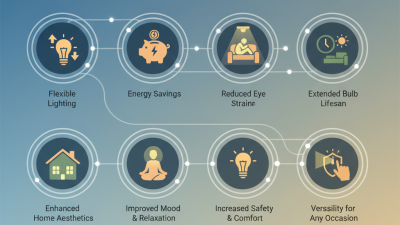
Dimmer switches are essential for creating the right ambiance in your home. They allow you to adjust the light intensity according to your needs. Whether you are hosting a dinner party or enjoying a quiet evening, a well-placed dimmer can enhance your experience. Imagine a soft, warm glow during a movie night, or bright light for reading. These switches are not just about aesthetics; they can also save energy.
Understanding the basics of dimmer switches involves knowing how they work. They regulate the voltage flowing to the light source, which affects the brightness. Some people may wonder about compatibility with existing lighting fixtures. Not all bulbs work with dimmers. This can lead to flickering or limited control. It’s important to check if your bulbs are compatible. If not, you might need to change your lighting setup.
The benefits of using dimmers extend beyond mood lighting. They can help you save on electricity bills by reducing energy consumption. When you use lower light levels, you demand less power from your fixtures. However, it’s worth noting that dimmers require proper installation for safety. A poorly installed dimmer can lead to electrical issues. Take the time to read the instructions carefully or consult a professional. This can prevent bigger problems down the line.
Types of Dimmer Switches: A Comprehensive Guide
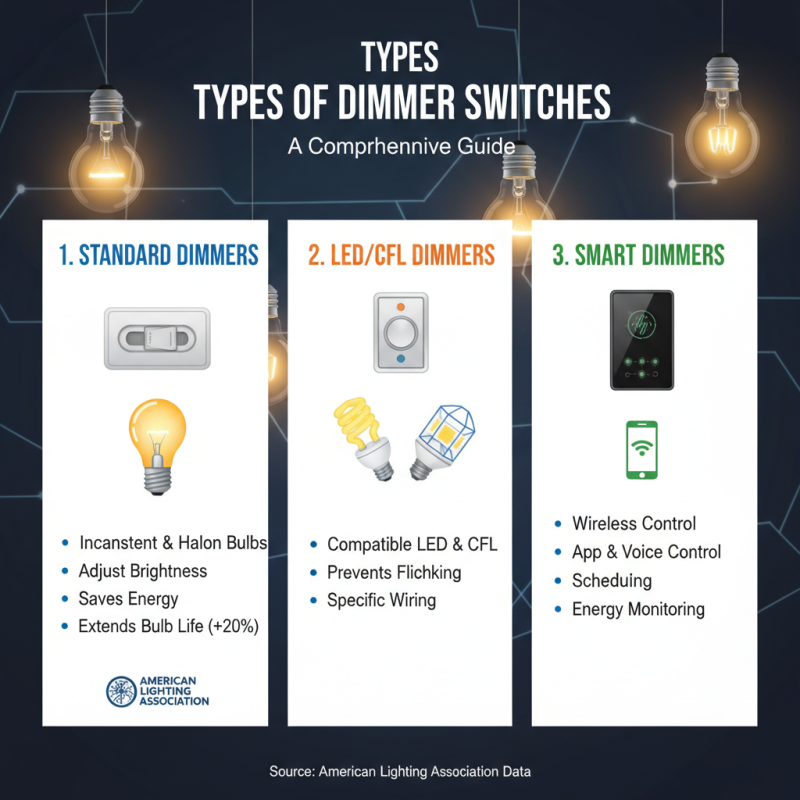
When it comes to home lighting, understanding the types of dimmer switches can greatly improve your ambiance. There are several types of dimmer switches available. The most common ones include standard dimmers, which adjust the brightness of incandescent and halogen bulbs. They can save energy and extend bulb life by around 20% according to American Lighting Association data.
Another popular option is the universal dimmer. These switches work with a variety of bulb types, including CFLs and LEDs. A study from the U.S. Department of Energy showed that using LED-compatible switches can reduce energy consumption by over 75%. However, compatibility issues can sometimes arise, leading to flickering or buzzing.
Smart dimmer switches offer advanced features, like remote control through apps. They can integrate with home automation systems. While these options provide convenience, they may be more complex to install. Data from the Consumer Electronics Association reveals that homeowners are increasingly opting for smart solutions, yet installation mistakes can hinder functionality and user experience. Choosing the right dimmer switch requires careful consideration of your specific lighting needs.
Key Features to Look for in Dimmer Switches
When selecting the right dimmer switch, it's essential to consider key features that enhance both functionality and safety. One important aspect is compatibility. Ensure the dimmer works with your existing bulbs, including LEDs, incandescent, and halogen types. Not all dimmers handle different bulb types well, leading to flickering or buzzing. This could compromise your overall lighting experience.
Another crucial feature is the ease of installation. Look for dimmer switches that come with clear instructions and tools. Some may require extra wiring or a neutral wire, which complicates installation. A user-friendly design can save time and frustration during setup. Safety features also deserve attention. Overheating and short-circuit protection are vital for avoiding hazardous situations. A reliable dimmer should have built-in safeguards to prevent risks.
Dimming range is equally significant. A switch that offers a wide range of brightness levels allows you to customize your environment better. It can create a cozy atmosphere for intimate gatherings or bright lighting for tasks. However, not every dimmer provides this flexibility. Always check user reviews and feedback before making a decision. This can help you avoid products that may look good on paper but deliver a disappointing performance.
Top 10 Best Dimmer Switches for Your Home Lighting Needs
This chart illustrates the importance of various features in dimmer switches for home lighting needs, rated on a scale of 1 to 10. Key features such as Ease of Installation and User Reviews are deemed most critical by homeowners, while Brand Reputation holds slightly less weight in the decision-making process.
Top 10 Dimmer Switches for Different Lighting Styles
Selecting the right dimmer switch is crucial for enhancing your home’s ambiance. Different lighting styles call for different types of dimmers. For example, incandescent bulbs work well with basic slide dimmers. Meanwhile, LED lights require compatible dimmer switches to avoid flickering. This compatibility is essential for both functionality and safety.
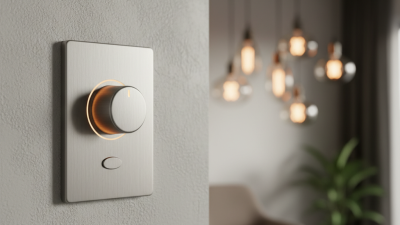
When choosing a dimmer, consider the style of your lighting fixtures. Modern fixtures often look best with sleek touch dimmers. Traditional fixtures may benefit from a more classic rotary dimmer. Remember that the right choice narrows down your aesthetic options.
Tips: Always check the wattage limit of your dimmer. Overloading can lead to overheating and malfunctions. Ensure the dimmer is rated specifically for the type of bulb you are using.
Another important point is to install the dimmer at a comfortable height. This will make it easier to access and adjust when needed. Reflect on how your current lighting makes you feel. Do certain rooms seem too bright or too dim? Adjusting the dimmer can change the room's mood significantly.
Installation Tips for Your New Dimmer Switches
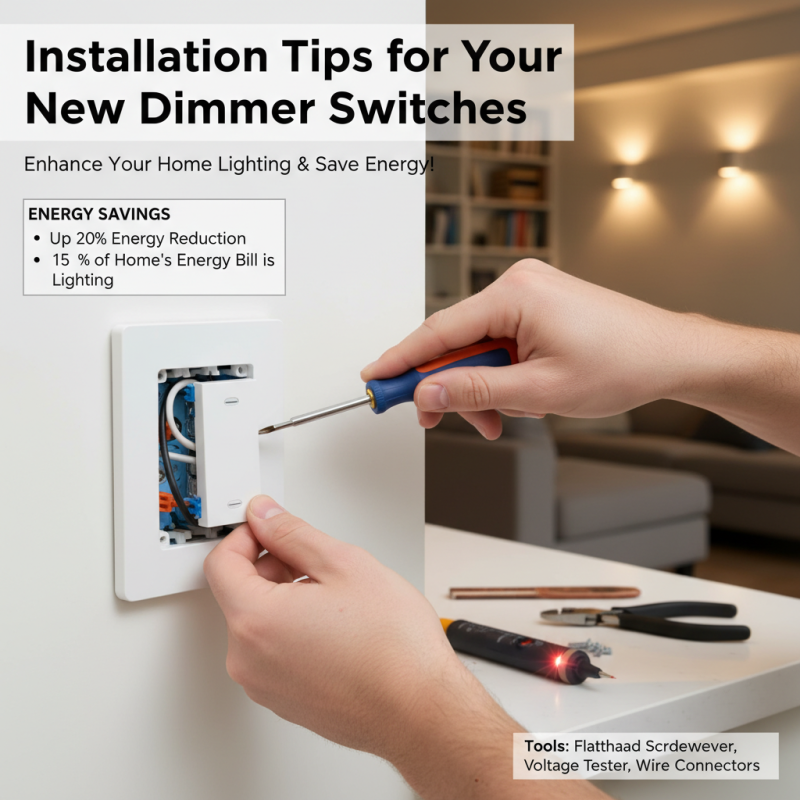
Installing dimmer switches can dramatically enhance your home lighting experience. According to a report by the U.S. Department of Energy, using dimmers can reduce energy usage by up to 20%. This is significant, considering that lighting accounts for about 15% of an average home’s energy bill. When planning your installation, gather the necessary tools: a flathead screwdriver, a voltage tester, and wire connectors.
Start by turning off the electricity at your circuit breaker. Safety is paramount. Test the switch with a voltage tester. It's common to overlook this step, which could lead to electrical shock. After ensuring the wires are safe, remove the old switch. Label wires to avoid confusion during installation. Connect the wires to your new dimmer switch carefully. Follow color codes: typically, black is for the load, and red or green is for the ground.
Reassemble everything and turn the power back on. Test the switch to ensure that it works as expected. It’s not uncommon for homeowners to face flickering lights initially. This could be due to incompatible bulbs. Always check if your bulbs are dimmable. If problems persist, consult a licensed electrician for guidance. Adjusting to a newly installed dimmer can take some trial and error, but the ambiance and energy savings are worth the effort.