10 Best Smart Light Switches to Upgrade Your Home Lighting System?
In today's fast-paced world, upgrading your home's lighting system can drastically improve your living experience. Experts argue that a Smart Light Switch is a vital component of a modern home. “Smart switches are not just about convenience; they redefine how we interact with our space,” says lighting specialist John Sanderson.
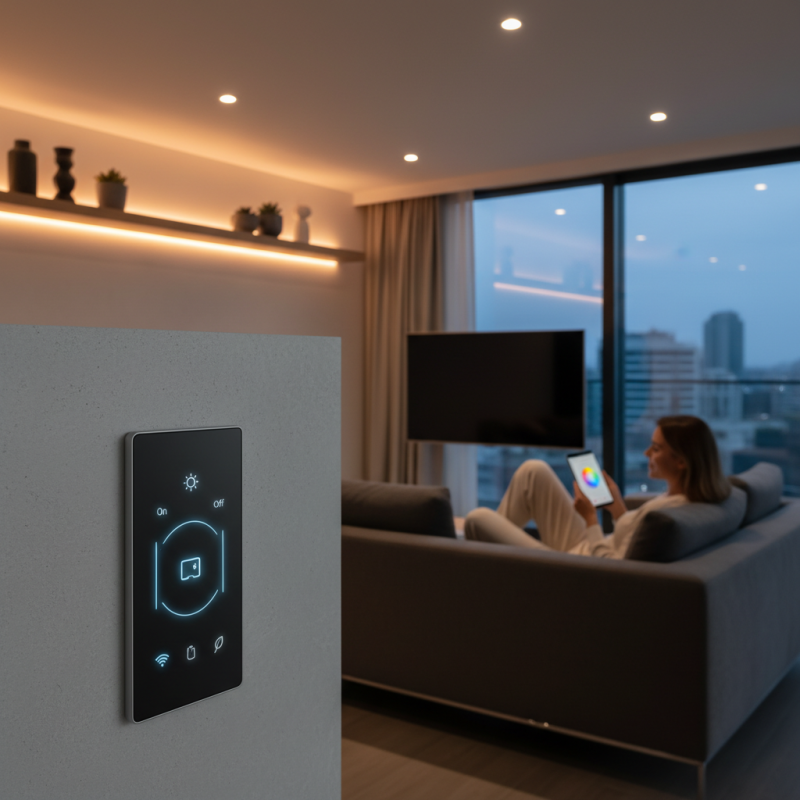
These devices offer features beyond simple on/off functionality. They allow for scheduling, remote control, and energy monitoring, making them essential in energy-efficient homes. Imagine dimming your lights from your smartphone while relaxing on the couch or creating a vibrant ambiance for a gathering with a few taps.
However, not all smart switches are created equal. Some may lack compatibility with existing systems or require complex installations. As you explore your options, consider what truly enhances your home. A Smart Light Switch could elevate your daily routine, but it should align with your specific needs.
Overview of Smart Light Switch Technology and Features
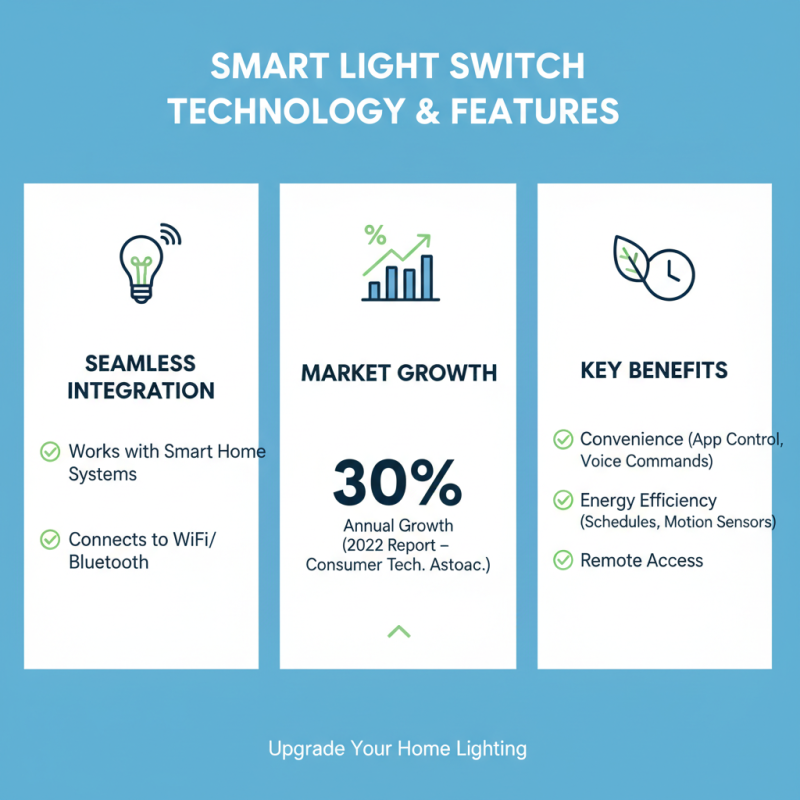
Smart light switches represent a significant advancement in home lighting technology. These devices offer seamless integration with smart home systems. According to a 2022 report from the Consumer Technology Association, smart lighting solutions have seen a growth rate of 30% annually. This surge reflects the increasing consumer demand for convenience and energy efficiency.
Features of smart light switches include app controls, voice activation, and automation options. Users can easily set schedules, adjust brightness, and control lights remotely. Some models can even detect motion, automatically turning lights on or off. The technology usually connects to Wi-Fi or Bluetooth, providing flexibility in setup and usage. However, compatibility with existing wiring is a concern that some homeowners face when upgrading their systems.
Tip: Before purchasing, check if your existing wiring supports a smart switch installation. Not all homes are equipped for easy integration.
Some reports indicate that user satisfaction can vary. Some find the setup process complicated. It's crucial to read user reviews to gauge real-world performance.
Tip: Start with just one or two smart switches. Test their functionality before expanding your system further.
Benefits of Smart Light Switches for Home Automation
Smart light switches have transformed home automation, offering unmatched convenience and control. According to a report by MarketsandMarkets, the smart home market is projected to grow by over 25% annually. This surge reflects increasing consumer demand for easy-to-use technology that enhances their living environment.
One notable benefit of smart light switches is their ability to integrate seamlessly with home automation systems. This integration allows users to control lighting via smartphones or voice assistants. A study by Statista found that 60% of households with smart devices report improved energy efficiency. By managing lights remotely, you can save energy and reduce utility bills.
Tips for installation: Ensure your home’s wiring is compatible with the smart switch. Check the electrical rating and circuit requirements beforehand. For optimal results, group your switches by usage. Lighting control should match your daily activities. Not all systems are intuitive. Spend time learning your device's features to maximize benefits. This effort pays off in convenience and efficiency.
10 Best Smart Light Switches to Upgrade Your Home Lighting System
| Product Name |
Compatibility |
Features |
Price Range |
Installation Type |
| Smart Switch A |
Wi-Fi, Alexa, Google Home |
Remote Control, Scheduling, Voice Control |
$30 - $50 |
In-wall |
| Smart Switch B |
Zigbee, Alexa |
Dimming, Energy Monitoring |
$25 - $45 |
In-wall |
| Smart Switch C |
Wi-Fi, Apple HomeKit |
Scene Control, Timer |
$35 - $60 |
In-wall |
| Smart Switch D |
Z-Wave, Google Home |
Group Control, Customization |
$40 - $70 |
In-wall |
| Smart Switch E |
Wi-Fi, IFTTT |
Voice Control, App Control |
$30 - $55 |
In-wall |
| Smart Switch F |
Zigbee, Apple HomeKit |
Sensor Control, Energy Reports |
$45 - $75 |
In-wall |
Top 10 Smart Light Switches: Key Features and Specifications
Smart light switches have become essential for modern home automation. The growing trend is driven by the desire
for convenience and energy efficiency.
According to a recent market report, the smart home device market is expected to reach $174 billion by 2025.
This suggests that smart lighting solutions, such as smart switches, will likely dominate household technology.
When considering smart light switches, it's crucial to examine key features. Many models offer voice control compatibility
with popular systems. Some switches provide dimming options,
which can enhance mood and save energy. Others feature scheduling capabilities,
allowing homeowners to automate lighting based on their routines. An industry study showed that homes using automated lighting
can reduce energy consumption by up to 30%. It's clear that these features significantly impact user experience and energy savings.
Nevertheless, users should consider the installation process when opting for smart light switches.
While many brands claim easy installation, some homeowners face challenges when integrating them into existing systems.
Not all switches are compatible with traditional wiring, which can complicate setups. This complexity is often overlooked, leading to frustration.
Careful research and understanding of specifications can help mitigate these issues.
Installation Process for Smart Light Switches: A Step-by-Step Guide
The installation process for smart light switches can seem daunting, but breaking it down into clear steps makes it manageable. Begin by turning off the power at your circuit breaker. It’s crucial for safety. Use a voltage tester to confirm the power is off before proceeding. Remove the existing switch cover plate and unscrew the switch from the wall box. Take a moment to photograph the wiring configuration. This detail will help ensure proper reconnection later.
Next, you'll prepare the new smart switch. Most models require a neutral wire. If your home doesn’t have one, you may need professional assistance. Attach the wires from your smart switch according to your earlier photo. Secure all connections tightly. Once wired, push the switch back into the wall, ensuring no wires get pinched. Install the cover plate, then turn the power back on. Testing the newly installed switch with your home network can reveal initial connectivity issues. Sometimes, reconfiguration is necessary.
While the DIY approach is rewarding, not all homeowners feel comfortable tackling electrical work. Mistakes can happen. Ensure you have a professional on call if challenges arise. Don’t rush through the installation. Taking your time can prevent future complications. It’s prudent to double-check every connection. With diligence and care, a smart light switch can enhance your home lighting system significantly.
Smart Light Switches Features Comparison
Considerations for Choosing the Right Smart Light Switch for Your Home
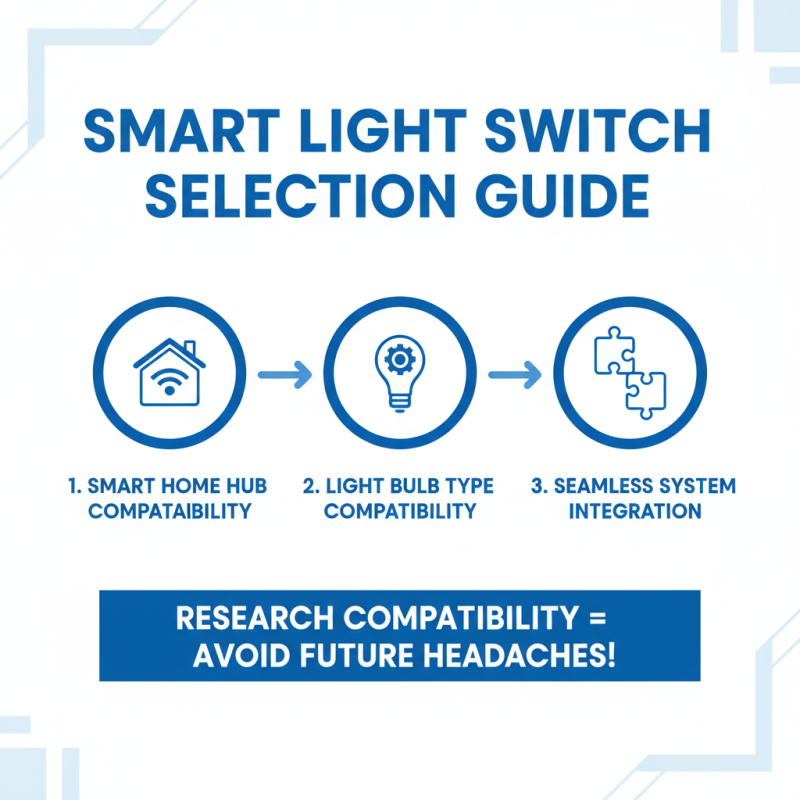
When selecting the right smart light switch, consider how it integrates with your home's existing systems. Compatibility is key. This includes your smart home hub, if you have one, and the type of light bulbs in use. Not all switches operate seamlessly with every system. Researching compatibility specifications can save you future headaches.
Another important factor is the installation process. Some smart switches require a neutral wire, while others do not. If your home wiring is outdated, upgrading might be necessary. Consult with an electrician if you're unsure. It's vital to ensure safety during installation. Understanding the technical requirements can prevent frustration later.
User interface is also crucial. A switch that is difficult to use or set up will likely lead to annoyance. Opt for a design that allows easy control, whether through voice commands or an app. Take time to read user reviews; they often highlight potential issues. Focus on finding a switch that balances ease of use with advanced features.