How to Choose the Best Backup Power Inverter for Your Needs?
As we face increasing power outages, choosing the right Backup Power Inverter becomes crucial. Research conducted by the Energy Information Administration indicates that nearly 28% of Americans experience power interruptions annually. A reliable inverter ensures your essential devices remain operational during these outages, providing peace of mind and security.
However, selecting the best inverter can be daunting. The market features an array of options, including pure sine wave and modified sine wave inverters. Each type serves different purposes, impacting functionality and efficiency. According to industry experts, choosing the right inverter can enhance energy efficiency by up to 30%. This data highlights the importance of informed decision-making when navigating the complexities of inverter technology.
You may encounter challenges in understanding the specifications and power ratings. It’s essential to assess your power needs accurately. Reflecting on your typical energy consumption can prevent costly mistakes. Balancing cost against performance is vital, as a higher upfront investment may yield significant long-term savings. A well-chosen Backup Power Inverter not only secures your energy needs but also contributes to a more sustainable future.
Understanding Backup Power Inverters and Their Importance
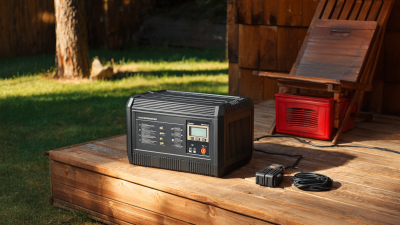
Backup power inverters play a crucial role in ensuring the continued operation of essential devices during power outages.
According to a report from the Energy Information Administration, approximately
28% of households in the United States experience power
interruptions annually. This highlights the growing importance of having a reliable backup power solution.
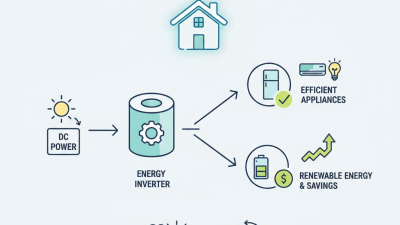
Backup inverters convert DC power from batteries into AC power,
allowing users to run appliances and systems seamlessly.
Understanding the specifications of backup power
inverters is essential. Key factors include surge capacity and continuous output.
For instance, a device may need a surge capacity much higher than its regular operating power. Experts recommend
considering devices that can handle a 2 to 3 times higher surge. This capability is critical, especially
for appliances like refrigerators or air conditioners. Failure to account for this can lead to equipment damage or
inadequate performance during outages.
The market for backup power solutions is evolving rapidly. Global sales of inverters are projected to exceed
$12 billion by 2026. However, misconceptions still persist about inverter sizes and applications.
Many consumers overlook the importance of proper sizing
for their specific needs. A mismatch can lead to inefficiencies or inadequate power supply. In the realm of
backup power, one size does not fit all, and understanding individual needs
is vital.
Key Factors to Consider When Selecting a Backup Power Inverter
Choosing the right backup power inverter involves several critical factors. Understanding your power needs is paramount. Many households have an average power requirement between 1000 to 2000 watts. Evaluating the total wattage of your essential appliances helps to make a well-informed decision. A common oversight is underestimating surge power needs; some devices, like refrigerators, may require double their running wattage for a short time.
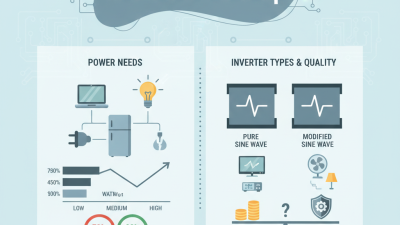
Efficiency ratings also play a vital role in the selection process. According to the U.S. Department of Energy, inverters can range from 80% to over 90% efficiency. A higher efficiency rating translates to better performance and lower energy costs. Additionally, consider the inverter type—pure sine wave versus modified sine wave. Pure sine wave inverters are recommended for sensitive electronics, as they provide cleaner power.
Portability and installation ease are often overlooked. Some users may find larger units cumbersome. For those seeking backup during emergencies, weighing weight against capacity is essential. A portable inverter may serve well for camping needs, while larger stationary units will suit home backup. Ensuring proper installation can expose potential issues. Verifying local codes and standards is also crucial, particularly if connecting to the home’s electrical system.
Evaluating Your Power Needs: Determining Sizing Requirements
Choosing the right backup power inverter begins with a clear understanding of your power needs. Evaluating and determining your sizing requirements is essential. A report from the Energy Information Administration indicates that the average American household consumes about 877 kWh per month. This translates to approximately 29 kWh per day. If you're planning to power essential devices during an outage, you must identify the key appliances you'll need to run.
Begin with a list of critical appliances and their wattage. For example, a refrigerator may require 150-800 watts, while a laptop can use around 50-100 watts. Understanding these figures helps in calculating total wattage demand. Reports suggest that many people underestimate their power needs, often leading to purchasing inadequate systems. A conservative approach is to aim for an inverter that can handle at least 20% more than your total wattage demand.
When facing power outages, awareness of surge wattage is crucial. Some appliances require extra power during startup. According to the National Fire Protection Association, failing to account for this can result in inverter failure and potential safety hazards. Regular reviews of your power requirements ensure that your backup solution remains efficient and effective. It's a process that requires attention and adjustments over time for optimal performance.
How to Choose the Best Backup Power Inverter for Your Needs? - Evaluating Your Power Needs: Determining Sizing Requirements
| Application |
Wattage Requirement |
Inverter Size (Watt) |
Battery Size (Ah) |
Runtime (Hours) |
| Refrigerator |
600 W |
800 W |
100 Ah |
4-5 |
| Laptop |
100 W |
200 W |
50 Ah |
10-12 |
| LED Lights |
50 W |
100 W |
20 Ah |
10-15 |
| TV |
200 W |
300 W |
40 Ah |
6-7 |
| Power Tools |
800 W |
1000 W |
120 Ah |
3-4 |
Different Types of Backup Power Inverters and Their Applications
When selecting a backup power inverter, understanding the different types is essential. There are mainly three categories: pure sine wave inverters, modified sine wave inverters, and inverter chargers.
Pure sine wave inverters provide clean, reliable power. They suit sensitive electronics and appliances. Modified sine wave inverters are cost-effective but may not work efficiently with high-end devices. According to industry reports, nearly 40% of consumers prefer pure sine wave inverters for home use due to their reliability.
Inverter chargers integrate battery charging and power inversion. They are ideal for off-grid applications and emergency power setups. Reports from energy sustainability studies indicate that around 30% of homeowners are turning to inverter chargers. This trend highlights the growing need for dependable backup power solutions. However, users should be aware that not all inverters are efficient for every application.
When choosing an inverter, consider your specific power needs. Capacity, efficiency, and application compatibility are critical factors. Many overlook these details. A mismatch can lead to poor performance. Understanding the requirements of your appliances ensures you select the right inverter. The investment in an inverter is significant; thus, thorough research is crucial to avoid future complications.
Tips for Comparing Features and Pricing of Backup Power Inverters
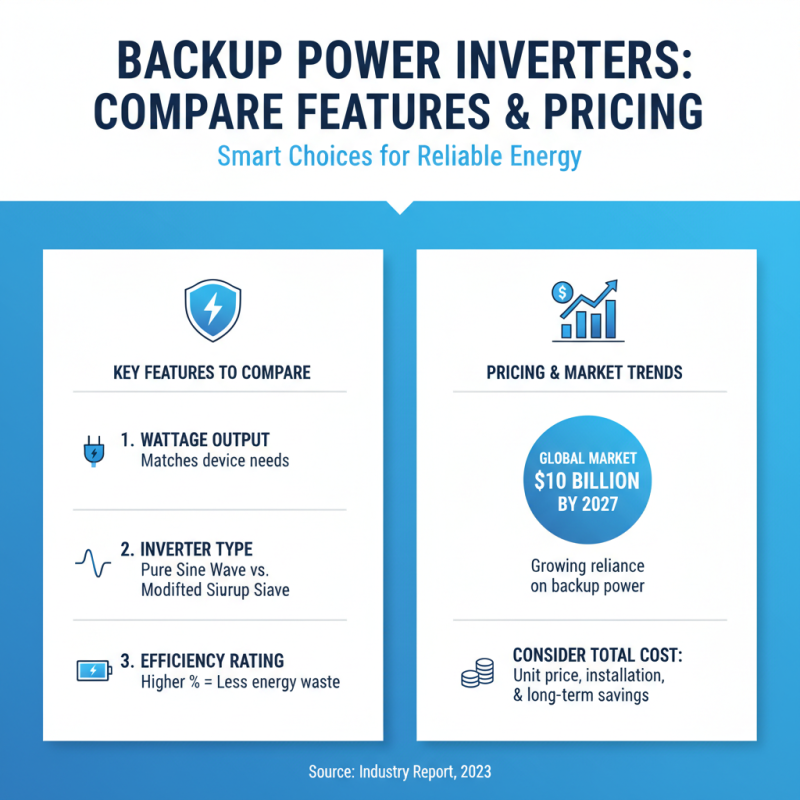
When comparing backup power inverters, it's crucial to consider features and pricing carefully. According to a recent industry report, the global inverter market is projected to reach $10 billion by 2027. This growth highlights the increasing reliance on backup power solutions. Users need to analyze wattage output, inverter type, and efficiency ratings. Understanding these elements will guide users to suitable options for their needs.
Look for inverters with pure sine wave output. This type provides clean power, making it safer for sensitive electronics. Efficiency ratings can often indicate long-term savings on energy costs. For example, inverters with over 90% efficiency may reduce wasted energy significantly. Keep in mind that sometimes cheaper models compromise crucial features. A bargain might not perform well under heavy loads, so weighing initial costs against long-term benefits is essential.
Pricing varies widely among models. Entry-level inverters might cost around $100, while high-capacity alternatives can reach thousands. Another point to reflect on is warranty coverage. A robust warranty adds peace of mind. Yet, it's essential to ensure that you understand the warranty terms clearly. Many consumers overlook this detail, leading to dissatisfaction later.