How to Choose the Right Power Inverter DC AC for Your Needs?
Choosing the right power inverter DC AC can be overwhelming. With a variety of models available, understanding your specific needs is crucial. According to a report by the Global Power Inverter Market, the industry is expected to grow by 8% annually through 2026. This trend highlights the importance of informed choices for consumers.
Expert John Smith, a leading authority in the power electronics sector, emphasizes, “Selecting the correct power inverter DC AC can drastically affect your device performance and energy efficiency.” A quality inverter ensures that devices run smoothly. However, many consumers overlook the key specifications.
Consider factors like wattage, efficiency ratings, and features that suit your lifestyle. The choice is not always clear-cut. Some may struggle with balancing price and performance. Links between inverter quality and long-term reliability also create a complex decision-making process. Making the right choice means scrutinizing your needs and understanding how different models align with them.
Understanding Power Inverters: Basics and Functionality
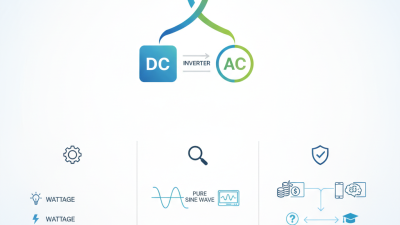
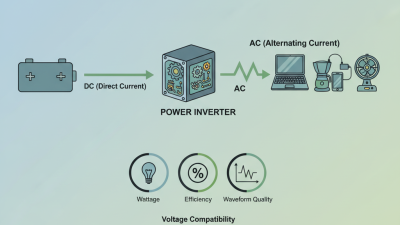
Power inverters are essential devices that convert DC power to AC power. They are widely used in various applications, from powering household appliances to charging devices. Understanding their basics can be very helpful in making an informed decision.
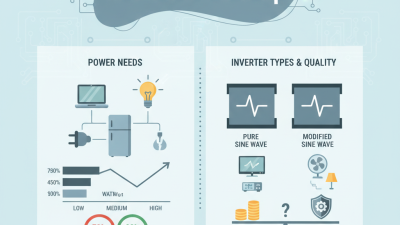
A power inverter’s functionality depends on its design and specifications. Some inverters provide pure sine wave output, while others offer modified sine wave. Pure sine wave inverters produce cleaner power, which is crucial for sensitive electronics. However, modified sine wave inverters are often more affordable and sufficient for basic applications. Knowing your devices' power requirements is vital when selecting an inverter.
Consider the wattage needs of your appliances. Calculate the startup and running wattage for each device. This step helps in choosing the right capacity for your inverter. Additionally, think about portability and size if you plan to use it in different locations. Installation can vary between units, also affecting ease of use. These details matter greatly for effectiveness and convenience in real-life scenarios.
Types of Power Inverters: Off-Grid vs. Grid-Tied
When choosing a power inverter, understanding the types available is crucial. Off-grid and grid-tied inverters serve different needs.
Off-grid systems operate independently, perfect for remote locations. They store energy from solar panels or batteries. In contrast, grid-tied inverters connect to the electricity grid. These systems often use excess solar energy to power your home while selling surplus energy back.
Tips: Evaluate your energy needs first. If you require independence from the grid, an off-grid inverter is suitable. Consider battery capacity; it determines how long you can be off the grid. However, maintenance can be challenging without expertise.
Another key aspect is cost. Off-grid systems can be expensive to install due to batteries and controllers. Grid-tied inverters typically have lower initial costs but may require a connection to existing power lines. Reflect on local regulations, as some areas have specific codes for installation. Always check for compliance with safety standards.
Key Factors to Consider When Choosing a Power Inverter
Choosing the right power inverter can significantly impact your energy needs. It’s crucial to evaluate several key factors to find the best fit. Start by determining your wattage requirements. Calculate the total wattage of devices you plan to power simultaneously. This helps identify the inverter size you need.
Consider the inverter type. There are modified sine wave and pure sine wave inverters. Pure sine wave inverters are more efficient and better for sensitive electronics. Modified sine wave inverters can work for simpler applications. Analyze what devices you’ll be using to make an informed choice.
Tips: Take time to read reviews and gather insights from other users. Look for features like overload protection and a cooling fan. These ensure the inverter operates safely. Remember, not all inverters are created equal. It's essential to reflect on your long-term needs, including potential appliance upgrades. Make a checklist of essential features and prioritize them. This targeted approach simplifies your decision-making.
Calculating Your Power Needs: Sizing Your Inverter Correctly
When choosing a power inverter, sizing it correctly is crucial. Many users underestimate their power needs, leading to inadequate performance. According to the U.S. Department of Energy, calculating your total wattage consumption can help avoid inefficiency. For example, a RV may require 1,500 watts for appliances, charging batteries, and lighting. An inverter rated at least 20% higher is often advisable to handle sudden power surges.
Consider your specific devices. A typical laptop might use around 60-100 watts, while a refrigerator could demand between 100-800 watts. It's essential to add the total wattage of all equipment you plan to use simultaneously. The National Renewable Energy Laboratory suggests that proper inverter sizing can extend battery life. Oversizing can lead to wasted energy. Conversely, undersizing risks damaging your devices.
Monitoring your power usage is also vital. Devices like watt meters can provide real-time data. Incorrect calculations can lead to frustrating situations. Understanding your unique energy demands helps in making informed decisions. Seek professional advice if unsure. Proper sizing ensures reliable performance and safety for your equipment.
Budget Considerations and Quality Brands in the Market
When selecting a power inverter, budget is a crucial factor. Many people assume that higher prices guarantee better performance. However, that is not always true. It's essential to balance cost with quality. Cheaper models may fail to deliver consistent power. This can lead to frustration and additional expenses over time. Finding a reliable brand within your budget can make a significant difference.
When looking for quality brands, consider customer reviews and expert opinions. Reliable brands often have strong customer support and offer warranties. Price does not always reflect quality, but often, reputable brands invest more in research and development. This can lead to better performance and longer life. Understanding the specifics of what you need is vital, as well. Not everyone requires high output; sometimes, a mid-range option suffices.
Think about your power needs and usage patterns. If you only use it occasionally, a mid-tier inverter might be perfect. Frequent users may need premium options for efficiency. Reflect on your choice; it’s wise to allow some flexibility for upgrades in the future. The power inverter market is large and diverse, making informed decisions essential.