How to Choose the Right Backup Inverter for Your Needs?
When considering a backup inverter, understanding your specific needs is crucial. John Smith, a leading expert in renewable energy solutions, states, "Choosing the right backup inverter can make or break your energy efficiency." This highlights the importance of making an informed choice.
A backup inverter is not just an accessory; it’s a vital component for reliability during power outages. Various factors come into play, from wattage requirements to system compatibility. For instance, a household heavily reliant on appliances needs a robust inverter. However, many consumers often underestimate their actual power needs. This oversight can lead to inadequate performance during critical times.
Many options exist in today's market, each with its own strengths and weaknesses. Users should reflect on their power consumption patterns and long-term goals. Preparing for the future is essential when selecting a backup inverter. A hasty decision might lead to wasted resources or insufficient power supply. Thoughtful consideration will ensure you make the right investment.

Understanding Backup Inverters: Definition and Functionality
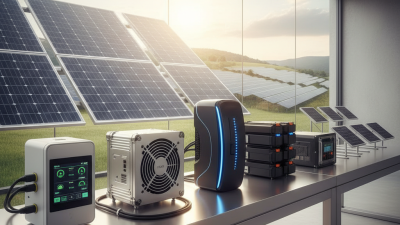
Backup inverters are crucial for ensuring a reliable power source during outages. They convert DC power from batteries into AC power for home or business use. Understanding their functionality is essential for making informed choices. Key features include inverter capacity, surge capability, and efficiency ratings.
Reports suggest that the global backup inverter market continues to grow, driven by increased demand for renewable energy systems. In 2022, the market was valued at over $5 billion and is projected to expand at a CAGR of 10% through 2030. This indicates a rising trend in energy independence and sustainability awareness.
Tips: When selecting a backup inverter, consider your power needs carefully. Calculate the total wattage of devices you need to run. Remember to factor in start-up surges, which can be three times the normal operating wattage.
Also, check the efficiency rating. Inverters with higher efficiency convert more energy, reducing waste. Poor choices may lead to inadequate power during critical times. A reliable inverter ensures peace of mind and security for your power needs. Assess your unique situation to find the right solution that matches your lifestyle and requirements.
Identifying Your Power Needs: Calculating Requirements
Calculating your power needs is essential when choosing a backup inverter. Start by listing all devices you plan to power during an outage. Make sure to include the wattage for each device. For example, a refrigerator may require around 600 watts, while a laptop might only need 50 watts. Knowing these figures allows you to measure your total requirement accurately.
Assessing your power needs also involves understanding the startup versus running watts. Some devices, like air conditioners, need more energy to start than to run. This detail can significantly impact your choice of inverter. If your total requirement exceeds what an inverter can handle, you risk overloading it.
Often, you’ll find that your estimates aren’t perfect. You may forget some devices or miscalculate wattage. Don't be discouraged; this is a learning process. Use smart measuring tools to get better estimates next time. An accurate calculation today means better reliability when power goes out. Taking time now can prevent future frustrations.
How to Choose the Right Backup Inverter for Your Needs? - Identifying Your Power Needs: Calculating Requirements
| Power Requirement (W) |
Recommended Inverter Size (VA) |
Approx. Number of Appliances |
Battery Backup Time (hrs) |
| 500 |
600 |
2-3 |
4 |
| 1000 |
1200 |
4-5 |
3 |
| 1500 |
1800 |
6-7 |
2 |
| 2000 |
2400 |
8-10 |
1.5 |
| 3000 |
3600 |
10-12 |
1 |
Types of Backup Inverters: Pros and Cons of Each
When selecting a backup inverter, it is crucial to consider the various types available. Each type has its distinct pros and cons. Pure sine wave inverters are the most reliable. They provide clean power, making them ideal for sensitive electronics. However, they tend to be more expensive.
Modified sine wave inverters are cost-effective but can pose compatibility issues with some devices. They are simpler in design but may not deliver the performance that premium electronics require.
Another option is the grid-tie inverter. This type works best in solar systems. It allows energy to flow both ways. It promotes energy efficiency but does not function during power outages.
Battery-based inverters offer a reliable backup solution. They store energy for later use but require proper maintenance. Additionally, they can take up significant space and may need regular monitoring.
Choosing the right inverter involves weighing these factors against your specific needs. Consider your power requirements and budget. It’s essential to reflect on any limitations of each type. A wrong choice could lead to efficiency losses or equipment damage. Understanding these dynamics will guide you in making an informed choice.
Key Features to Consider: Efficiency, Size, and Portability
When selecting the right backup inverter, focus on three key features: efficiency, size, and portability. Efficiency is crucial because it determines how much power is converted from the battery to usable electricity. A highly efficient inverter minimizes energy loss. This can lead to cost savings in the long run, as you won't waste energy.
Size matters too. Compact inverters are easier to transport and install. If you plan to use it in various locations, consider an inverter that fits comfortably in your vehicle or storage space. Sometimes, bigger inverters offer more power, but they can be cumbersome. Balance power needs with spatial constraints.
Portability is about how easily you can move your inverter when needed. Look for lightweight models with convenient handles. If you need to evacuate or shift locations often, having a portable option is vital. A sturdy design also ensures that your inverter withstands bumps on the road.
**Tips:** Before buying, check weight limits and handling features. Always read user reviews to gauge real-world performance. Testing different models can help identify the best fit for your lifestyle. These considerations can improve your overall experience with backup power.
Efficiency Comparison of Backup Inverters
Budgeting for Backup Inverters: Cost Considerations and Options
When budgeting for backup inverters, understanding the cost is crucial. Prices vary significantly based on power needs and features. A small inverter can cost a few hundred dollars, while larger, more complex systems may reach thousands. Assess your power requirements carefully. It’s essential to calculate how much power you really need during an outage to avoid overspending.
Tips: Research different types and models. Some come with features like automatic switching, which can add to the cost but may save you trouble later. Compare warranties, too. A longer warranty suggests higher quality and reliability.
Don’t forget to anticipate installation costs. Hiring a professional will increase your budget. However, DIY installation can be risky if you're not experienced. It may save money now but could lead to greater expenses later if issues arise. Take your time to evaluate both short-term and long-term costs. Planning ahead can prevent unexpected expenses.