What is a Grid Tie Inverter and How Does It Work?
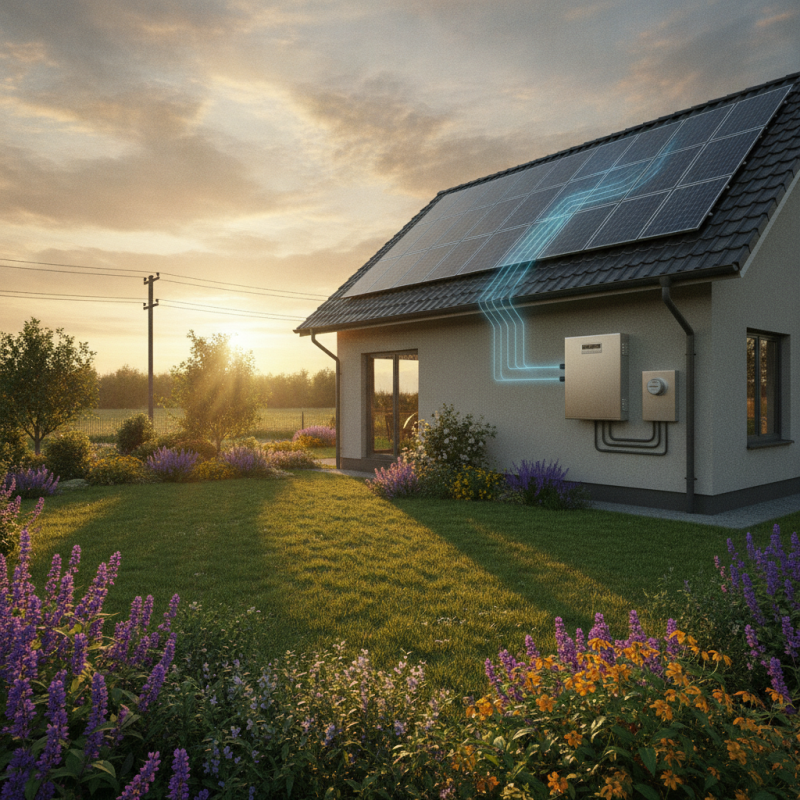
A Grid Tie Inverter (GTI) plays a crucial role in the solar energy system. It allows solar panels to connect to the utility grid. This device converts direct current (DC) from solar panels into alternating current (AC). The AC power is what homes and businesses typically use.
Understanding how a Grid Tie Inverter works is essential. It efficiently manages energy flow. When solar energy production exceeds demand, the extra power is sent back to the grid. This can lead to possible financial benefits through net metering. However, performance can vary depending on the local utility regulations.
Despite its advantages, a few challenges exist. Not every installation is seamless. Sometimes, the inverter may struggle with grid fluctuations. It's crucial to research and choose quality equipment. Consulting with experts can help ensure reliability and effectiveness. The right Grid Tie Inverter can significantly enhance your energy independence.
Understanding the Concept of a Grid Tie Inverter
A grid tie inverter (GTI) plays a crucial role in solar energy systems. It connects solar panels to the utility grid, converting direct current (DC) from the panels to alternating current (AC) usable by homes and businesses. According to a report by the International Energy Agency (IEA), nearly 90% of residential solar systems utilize grid tie inverters. This technology allows homeowners to sell excess power back to the grid, enhancing return on investment.
Understanding how a grid tie inverter works involves recognizing its features. These devices monitor grid voltage and frequency to ensure seamless synchronization. If any disruption occurs, like a power outage, the inverter automatically shuts down for safety. The U.S. Department of Energy highlights the importance of this safety feature to protect utility workers during maintenance.
Tips:
- Regularly inspect your inverter to ensure optimal performance.
- Check connections and keep it clean.
- Consider the inverter’s warranty and lifespan.
Many inverters last around 5 to 10 years, which may require replacement in the long term. Investing in a quality inverter can minimize future costs. It's worth noting that not all locations may benefit equally from grid tie systems, reflecting the need for thoughtful energy planning.
Components and Functions of a Grid Tie Inverter
A grid tie inverter is a crucial component in solar power systems. It connects solar panels to the utility grid, allowing excess energy to flow back into the grid. This feature helps reduce energy costs and promotes renewable energy use.
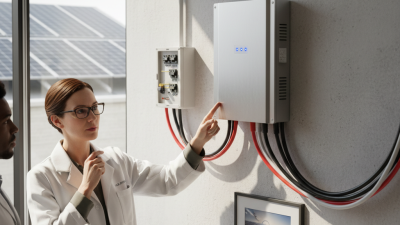
The primary components of a grid tie inverter include the inverter unit, voltage sensors, and safety disconnects. The inverter unit converts the direct current (DC) generated by solar panels into alternating current (AC), which can be used in homes. Voltage sensors monitor the system’s power output and adjust it as needed. Safety disconnects protect users by ensuring the system shuts down in emergencies.
Understanding these components is vital for effective installation and operation. An improperly configured system may lead to reduced efficiency. Continuous monitoring is essential, as even minor issues can affect energy output. Regular maintenance helps to identify potential problems early, ensuring a reliable energy source.
How Grid Tie Inverters Convert DC to AC Power
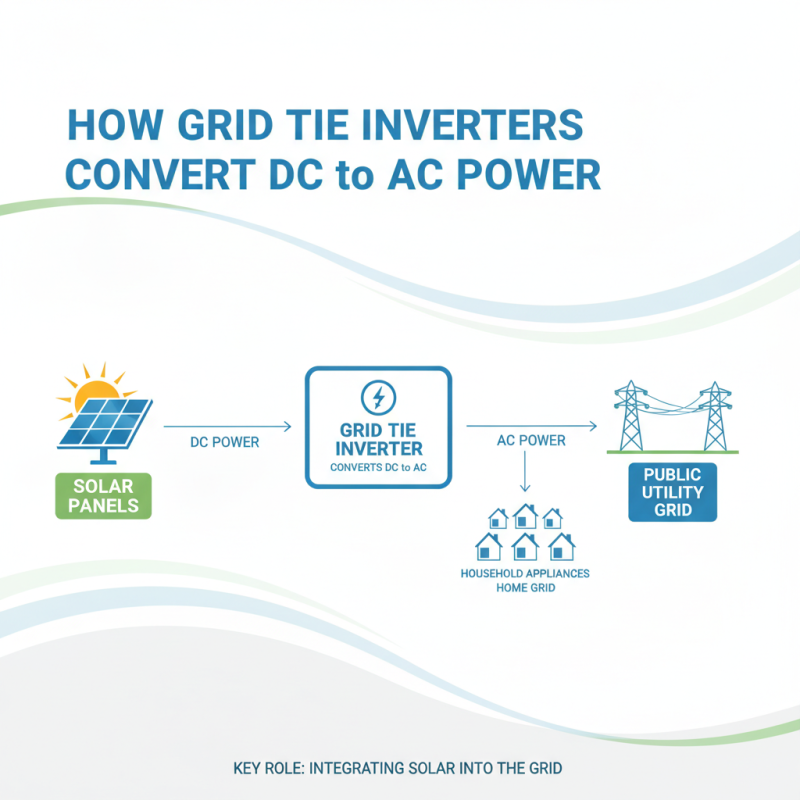
Grid tie inverters play a crucial role in renewable energy systems. They convert direct current (DC) generated by solar panels into alternating current (AC), which is needed for household appliances. This conversion process is vital for integrating solar power into the grid.
The inverter starts by receiving DC power and then employs a transformation method to adjust the voltage. Once adjusted, the inverter converts DC to AC using a process called pulse width modulation. This method creates a smooth wave of AC power, matching the grid’s frequency and voltage. Many homeowners now rely on this technology. They even sell excess energy back to the grid, maximizing efficiency.
However, not all systems are flawless. Grid tie inverters can experience issues, such as loss of synchronization with the grid. This can happen during outages or voltage fluctuations. These concerns can lead to energy wastage. Ensuring proper maintenance and monitoring of these inverters is essential for optimal operation.
Benefits of Using Grid Tie Inverters for Solar Energy Systems
Grid tie inverters play a crucial role in solar energy systems. They connect solar panels to the grid, allowing homeowners to send excess energy back for credit. This not only reduces electricity bills but also promotes sustainable energy use. According to a report by the U.S. Department of Energy, systems with grid tie inverters can increase overall energy savings by up to 50%.
One major benefit is their efficiency. Grid tie inverters convert DC power from solar panels to AC power required by home appliances. Many models operate with efficiencies exceeding 95%, ensuring minimal energy loss. Their ability to utilize real-time net metering means solar energy generation can significantly offset dependence on fossil fuels.
Tip: Consider monitoring your inverter’s performance regularly. An efficient system boosts overall energy savings. Another tip is to evaluate possible shading on your solar panels. Unexpected shading can reduce output, highlighting the need for optimal positioning of solar arrays. Embracing grid tie technology requires careful consideration and planning, as local regulations may influence system design and installation.
Interconnection of Grid Tie Inverters with the Power Grid
Grid tie inverters play a crucial role in renewable energy systems, especially in connecting solar power systems to the power grid. When solar panels generate electricity, the grid tie inverter converts this direct current (DC) into alternating current (AC), which matches the grid's requirements. This process ensures that the energy produced can be used by homes and businesses connected to the grid.
The interconnection between grid tie inverters and the power grid is not without challenges. For instance, synchronization is essential to avoid disruptions. Any misalignment can lead to power quality issues. Additionally, safety protocols must be enforced to protect both the grid and the inverter system. This means that inverter systems must be designed with reliable monitoring and shut-off functionalities to handle potential faults.
Moreover, technological advancements are continuously evolving. However, some grid tie inverter installations still face integration barriers. Energy policies and local regulations can complicate the seamless connection to the power grid. Achieving a reliable grid tie inverter system requires careful planning and awareness of these factors. Understanding the nuances within this process is critical for optimizing energy production and ensuring grid stability.