What is a Smart Plug and How Does it Work?
In recent years, Smart Plugs have transformed the way we interact with our appliances. According to a report by Research and Markets, the global smart plug market is expected to reach $18 billion by 2025. This surge reflects growing consumer demand for enhanced convenience and energy efficiency. Smart Plugs allow users to remotely control devices via smartphone apps or voice commands, making everyday life more manageable.
However, while Smart Plugs offer many benefits, they also raise questions about security and privacy. In 2021, a study from the Cybersecurity and Infrastructure Security Agency noted that over 70% of smart devices had vulnerabilities. Users must be aware of these risks as they integrate Smart Plugs into their homes. Ensuring the safety of personal data and network security is crucial in this evolving landscape of smart technology.
Smart Plugs represent a significant advancement in smart home technology. Yet, they are not without their flaws and challenges. As the industry grows, so does the need for consumer education. Users should weigh the benefits against potential dangers to make informed choices.
Understanding the Definition and Purpose of a Smart Plug
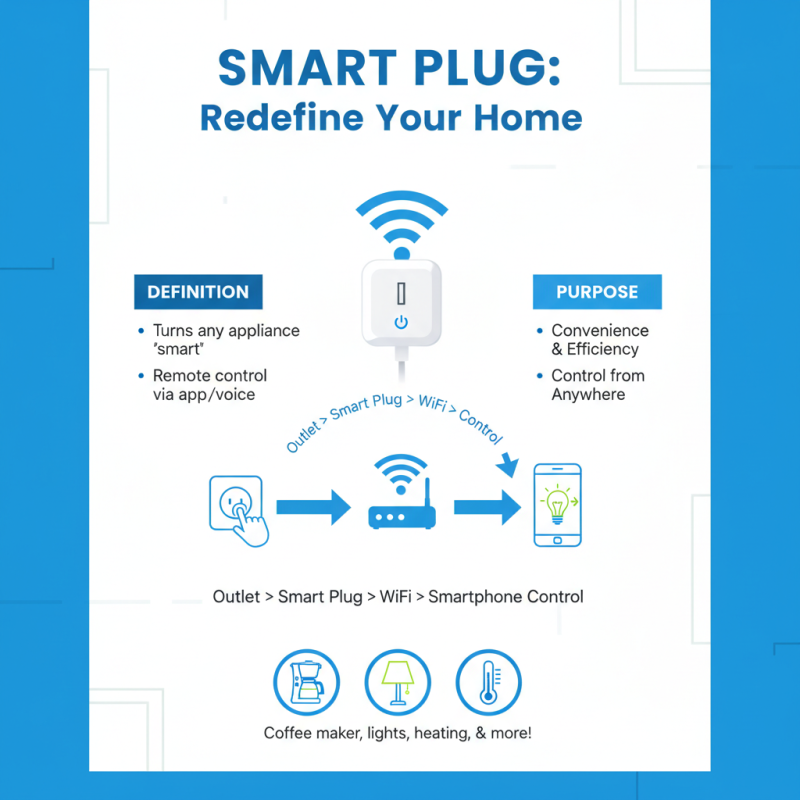
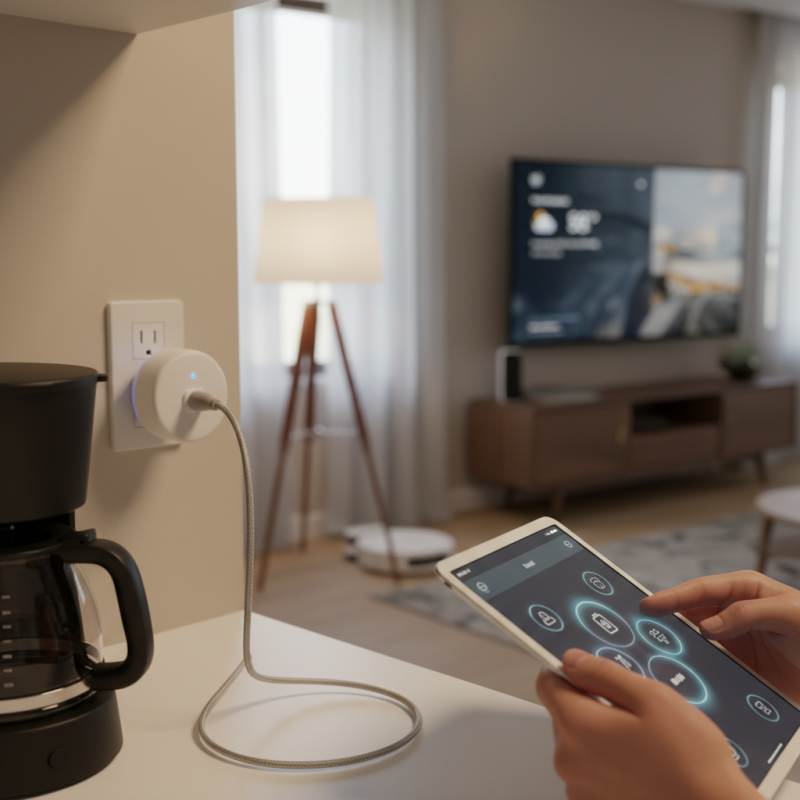
Smart plugs are innovative devices designed to transform ordinary appliances into smart-enabled ones. Essentially, they allow you to control your electronics remotely via a smartphone app or a voice assistant. When plugged into any outlet, a smart plug connects to your home Wi-Fi network, creating a bridge between your device and your smartphone. With the convenience of a few taps on your screen, you can easily turn on or off your coffee maker, lamp, or even your heating system, regardless of where you are.
The purpose of smart plugs goes beyond mere convenience. They help in energy management by allowing users to monitor and schedule device usage. This can lead to reduced electricity bills and a smaller carbon footprint. However, users must ensure their devices are compatible and set up correctly. The range of functionalities can vary. Sometimes, features may not perform as expected, and troubleshooting becomes necessary. It's crucial to remember that while smart plugs can enhance your life, they also depend on stable Wi-Fi connections and user diligence.
The Technology Behind Smart Plugs: Components and Connectivity
Smart plugs have become increasingly popular, often praised for their functionality and convenience. At the heart of each smart plug lies essential technology that enables seamless connectivity and control. They typically contain a microcontroller, Wi-Fi module, and sometimes Bluetooth functionality, all working together to allow users to manage devices remotely.
The microcontroller acts as the brains of the smart plug. It processes commands and manages tasks like scheduling or monitoring energy usage. A reliable Wi-Fi module connects the smart plug to the internet. This connection is crucial for integrating with smart home systems. Many users experience occasional issues with connectivity, which can be frustrating.
In addition, the companion apps are an integral part of the user experience. They provide interfaces for controlling the plugs. However, these apps can sometimes have bugs or navigation challenges. It's worth noting that while smart plugs can make life easier, users often grapple with security concerns surrounding their Wi-Fi networks. Ensuring robust security measures is essential, yet it can be a complex task for many.
How Smart Plugs Integrate with Home Automation Systems
Smart plugs are a key player in the world of home automation. They seamlessly connect to existing electrical outlets and allow users to control connected devices remotely. This enhances convenience and energy efficiency. When integrated with home automation systems, smart plugs can be programmed to work in sync with other smart devices. For example, they can turn on a lamp automatically when it detects low light levels. This feature is particularly useful for enhancing comfort and security at home.
Using a smart plug with a home automation system can also provide valuable insights. Users can monitor energy consumption of connected devices in real time. However, there can be challenges. Not all smart plugs work with every home automation system. Compatibility issues may arise, creating frustration for users. Additionally, users may struggle with setup processes if they are unfamiliar with technology. It's crucial to choose smart plugs that are user-friendly and well-supported.
As technology evolves, connectivity becomes more important. Smart plugs can integrate with voice assistants, allowing hands-free control. Users should consider their specific needs before investing in smart plugs. Some may find they need more than basic features. Reflecting on personal usage habits can help in making the best choice. Understanding these dynamics enhances the experience of home automation, leading to smarter living environments.
Setting Up and Using a Smart Plug: A Step-by-Step Guide
Setting up a smart plug can be an easy task if you follow a few simple steps. Begin by downloading the corresponding app for your smart plug. Ensure your smartphone is connected to the Wi-Fi network that you will use for the device. This is crucial. Next, plug the smart device into a power outlet and wait for the indicator light to flash. This indicates that the device is ready for pairing. Many users report a sense of accomplishment at this point.
After connecting your smart plug to the app, remember to give it a unique name. This makes it easier to control later. Industry studies show that about 47% of smart device users struggle with device naming. Clear labels enhance your experience. You should also set up routines or schedules for your smart plug. This feature allows appliances to operate at certain times, saving energy. According to the U.S. Department of Energy, smart plugs can reduce energy consumption by up to 15%.
Once set up, using the smart plug is straightforward. Simply use the app to control the plugged-in devices remotely. Real-time energy monitoring in some models helps in understanding usage patterns. However, be aware that not all devices may be compatible. Compatibility issues can lead to frustration. In some cases, users feel overwhelmed when managing multiple smart plugs. Experimenting with different configurations can help you find what works best for your routine.
Benefits and Potential Limitations of Using Smart Plugs in Daily Life
Smart plugs are becoming common in households due to their flexibility and ease of use. A study from ResearchAndMarkets predicts that the smart plug market will grow significantly, reaching $4.4 billion by 2026. This growth reflects the increasing demand for energy-efficient solutions. They help users manage devices remotely, monitor energy consumption, and create automated schedules. These features contribute to energy savings, estimated at an average of 10-15% in household electricity costs.
However, reliance on smart plugs comes with limitations. Connectivity issues can disrupt their functionality, leaving devices unresponsive. A report from ORC International noted that about 30% of users experience technical problems, which can be frustrating. Additionally, the data privacy issue raises concerns. Users may unknowingly share information through connected devices. Furthermore, not all appliances are compatible with smart plugs, restricting their application in some households.
Despite these challenges, the appeal remains strong. People appreciate the convenience smart plugs offer. They can enhance home automation systems and improve energy efficiency. However, potential users should weigh the benefits against these drawbacks. Understanding how they fit into a home environment is essential. Smart plugs can be a smart addition, but they require thoughtful consideration.
What is a Smart Plug and How Does it Work?
| Feature |
Description |
| Functionality |
Allows remote control of electrical devices via smartphone or voice commands. |
| Ease of Use |
Simple installation and integration with existing Wi-Fi networks without additional hubs. |
| Energy Monitoring |
Some models provide real-time energy consumption statistics to help manage electricity use. |
| Compatibility |
Compatible with various smart home systems including Alexa, Google Assistant, and Apple HomeKit. |
| Cost |
Generally affordable, with prices varying based on features and brand reputation. |
| Potential Limitations |
Reliance on Wi-Fi connectivity; potential privacy concerns with data collection. |
| Use Cases |
Ideal for controlling lamps, fans, and other small appliances with scheduling and automation options. |