Top 10 Solar Inverters for Efficient Energy Solutions?
In today's renewable energy landscape, Solar Inverters play a crucial role. They convert sunlight into usable electricity. Understanding the types and efficiencies of these devices is essential for homeowners and businesses alike. The right solar inverter enhances energy efficiency and reduces costs.
This article delves into the Top 10 Solar Inverters currently available, highlighting their features and advantages. Not all inverters are created equal. Some may lack the necessary technology to maximize energy output. On the flip side, others offer superior monitoring and performance tracking.
Choosing the appropriate solar inverter can be overwhelming. Factors like installation, compatibility, and warranty also come into play. It is vital to research thoroughly to find an inverter that meets specific needs. A well-informed choice can lead to significant energy savings and environmental benefits.
Overview of Solar Inverters and Their Importance in Solar Energy Systems
Solar inverters play a crucial role in solar energy systems, converting DC power from solar panels into AC power. This conversion is essential for household use and integration with the grid. The efficiency of an inverter directly affects the overall energy output of a solar installation. According to the National Renewable Energy Laboratory (NREL), optimizing inverter performance can increase energy harvest by up to 20%.
The size of the solar inverter market is expected to reach $12 billion by 2027, demonstrating the growing importance of these devices. They are not merely components; they dictate the effectiveness of energy solutions. Many systems still face challenges, such as efficiency losses during conversions. In fact, a study highlighted that average inverter efficiency ranges around 95%, suggesting room for significant improvements.
Breakthroughs in technology are emerging, but quality varies widely. Reliability remains a concern, with inverter failures impacting energy output. Users should pay attention to monitoring and maintenance to ensure sustained performance. The necessity for robust solutions is clear as solar energy adoption increases globally. The energy transition relies on innovation and fine-tuning in inverter technology to maximize efficiency.
Key Factors to Consider When Choosing a Solar Inverter
Choosing the right solar inverter is crucial for maximizing your energy efficiency. The inverter converts direct current (DC) from solar panels into alternating current (AC) for your home. It’s the heart of your solar system, influencing performance and reliability.
When selecting a solar inverter, consider its efficiency rating. A higher efficiency means better energy conversion. Look for models with at least 95% efficiency. Pay attention to the warranty as well. A longer warranty reflects the manufacturer's confidence in their product.
Tip: Check the inverter's monitoring capabilities. Real-time monitoring helps identify issues early. This can enhance system performance significantly.
Also, size matters. Ensure the inverter can handle the power output of your solar panels. An undersized inverter can lead to energy loss.
Tip: Consult with a solar expert if you're unsure. Professionals can provide insights tailored to your specific needs.
Installation matters too. A well-placed inverter can improve safety and efficiency. Research installation tips to avoid common mistakes. Take time to weigh your options carefully.
Top 10 Solar Inverters: Features and Specifications for Each Model
When selecting a solar inverter, various features and specifications play a critical role. Consider the inverter's efficiency rating. A higher efficiency means better performance under various conditions. Look for inverters that can convert a larger percentage of solar energy into usable electricity. Many models range from 95% to over 98% in efficiency.
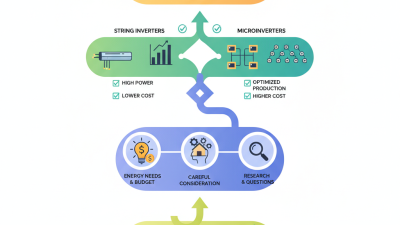
The type of inverter is another essential factor. String inverters are commonly used for residential systems. They are cost-effective and easy to install. On the other hand, microinverters offer better performance in partial shading conditions. They optimize each panel's output, increasing overall energy production. Different models vary in their power output, so ensure the chosen inverter matches your energy needs.
Monitoring capabilities should not be overlooked. Many modern inverters come with apps that track performance. This data can help you quickly identify issues. Some users find this functionality lacking. Always check if the provided app meets your expectations. Finally, warranty length and customer support are vital for long-term use. Choose a model that offers reliable service and support for peace of mind.
Performance Comparison of the Leading Solar Inverters in 2023
When selecting solar inverters, understanding performance metrics is crucial. High-efficiency inverters convert more solar energy into usable electricity. They must have low energy loss during this process. Many inverters today boast efficiencies above 95%. However, achieving this level of efficiency can vary based on weather conditions and installation quality.
Let's consider the inverter's reliability. Some inverters face issues, like overheating or failure during peak sun hours. A robust cooling system is essential. It can extend the inverter's lifespan. Moreover, installation involves real-world challenges. Electricians must comply with electrical regulations and ensure proper configurations.
Monitoring capabilities also impact performance. Advanced inverters offer real-time data on energy production. This information allows users to track performance and diagnose issues quickly. Some inverters, however, might lack user-friendly interfaces. This can lead to confusion and frustration for homeowners. Balancing these features can enhance overall efficiency. It’s important to evaluate options based on individual needs and feedback from real users.
Performance Comparison of Top Solar Inverters in 2023
Future Trends in Solar Inverter Technology and Market Growth
The solar inverter market is evolving rapidly, driven by technological advances and changing consumer demands. According to a recent report by the International Energy Agency (IEA), global solar inverter shipments are expected to experience a compound annual growth rate (CAGR) of 17% from 2023 to 2030. This growth is fueled by increasing investments in renewable energy sources and improved efficiency in solar energy conversion.
Modern solar inverters are now integrating smart technology, enhancing energy management. Features such as real-time monitoring, automated diagnostics, and grid communication systems are becoming standard. Yet, there are challenges. Older models struggle to adapt to new grid requirements, potentially leading to energy losses. The transition to smart inverters is not universal; many users remain unaware of the significant benefits these technologies offer.
As governments worldwide set ambitious clean energy targets, the demand for higher efficiency inverters grows. The potential for increased energy yields creates a competitive market atmosphere. Market players must not only innovate but also educate consumers about these advances. Sustainability goals can only be met if technological improvements are embraced widely. In this landscape, staying informed is crucial for stakeholders looking to capitalize on the solar inverter trends of the future.