Top Benefits of Using a House Inverter for Your Home?
When considering energy solutions for households, a House Inverter stands out. It serves as a reliable backup power source during outages. Homeowners often face the challenge of ensuring consistent energy supply. A House Inverter can be a game-changer in such scenarios.
Using a House Inverter brings several advantages. It improves energy efficiency, reducing utility bills over time. The device converts DC power to AC power, allowing seamless integration with home appliances. This capability minimizes disruptions in daily routines when the grid falters. Installing a House Inverter may initially seem daunting, but its long-term benefits are significant.
Many users appreciate the peace of mind that comes from having a House Inverter. Yet, some might overlook maintenance needs, leading to potential inefficiencies. It’s essential to revisit the system regularly. Overall, a House Inverter is an investment that enhances home energy management.
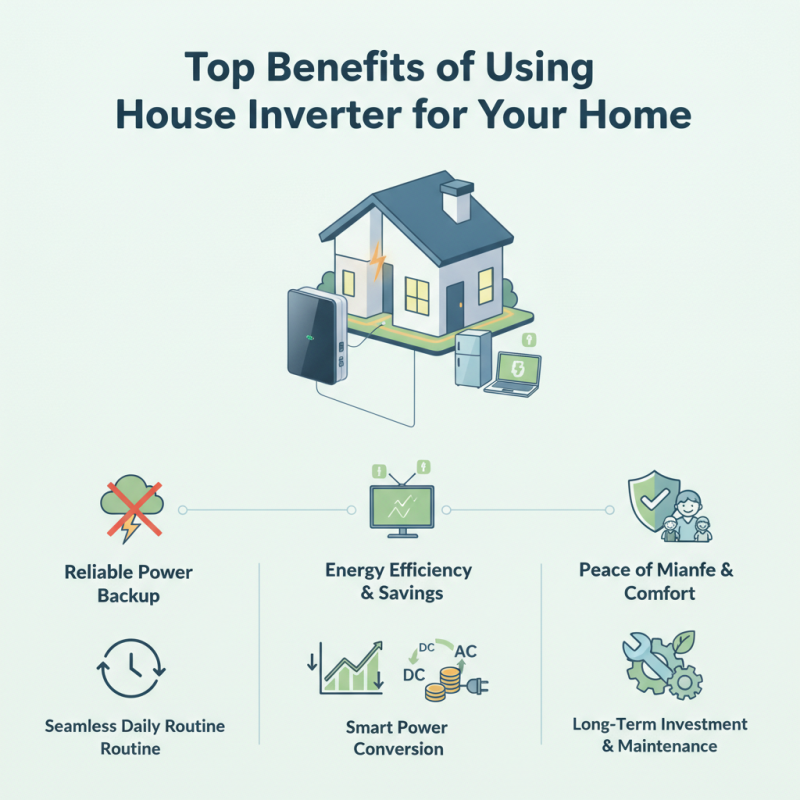
Top Benefits of Using a House Inverter for Your Home
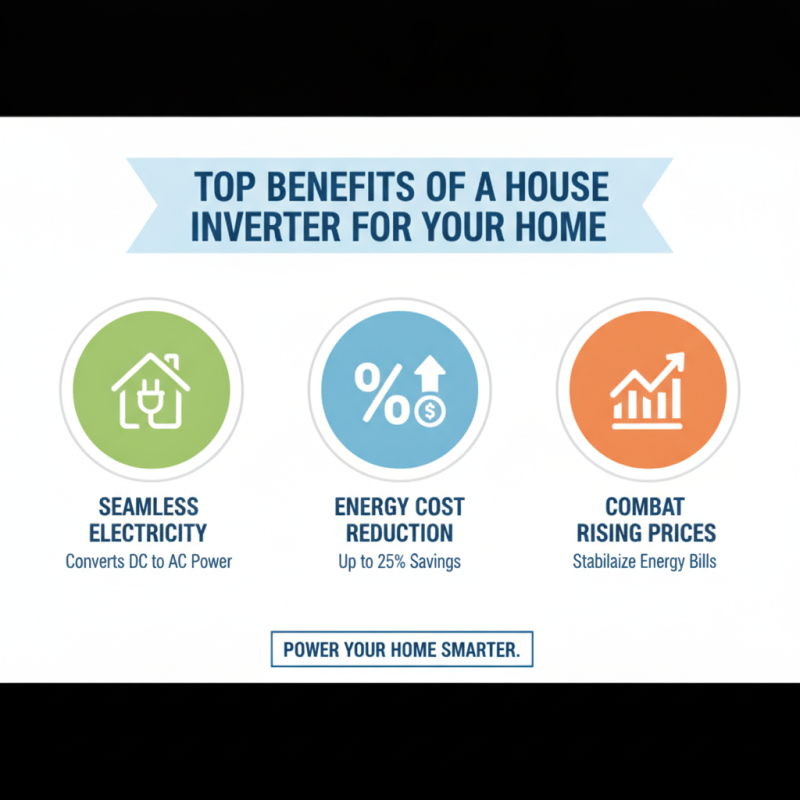
Many homeowners find significant advantages in using a house inverter. These devices convert DC power to AC, allowing for seamless electricity use in homes. Recent studies show that homes equipped with inverters can experience a reduction in energy costs by up to 25%. This is especially important as energy prices continue to rise.
Moreover, inverters provide a reliable backup source during power outages. Data from energy surveys indicate that 40% of American households faced power interruptions in the past year. An inverter ensures that essential appliances, like refrigerators and medical equipment, continue to function.
Tips: Regular maintenance of your inverter is key. Check connections and clean dust regularly. This can enhance efficiency and prolong lifespan. Invest in a quality inverter, as cheaper models may underperform and lead to higher long-term costs. Always consult with a professional to ensure proper installation and safety measures.
Reliable Power Backup During Outages: Ensuring Continuity of Service
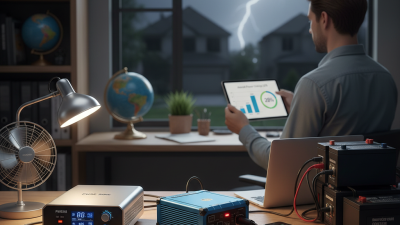
Power outages can disrupt daily life in significant ways. A house inverter provides reliable power backup, ensuring continuity of service during these challenging times. When the grid fails, an inverter kicks in to supply electricity. This means essential appliances like refrigerators and lights continue to function.
Having a dependable inverter can relieve stress. Families can carry on with their routines, even during outages. However, not all inverters are created equal. It's important to research and understand the capacity needed for your home. A poorly matched inverter may lead to frustrations when power is needed most.
Moreover, investing in maintenance is crucial. Regular checks can prevent unexpected failures. This is a common oversight that many homeowners make. Inverters should face wear and tear over time. Understanding these nuances can help in making informed decisions. A blend of preparation and knowledge can make a significant difference.
Top Benefits of Using a House Inverter for Your Home
| Benefit |
Description |
Impact |
| Reliable Power Backup |
Inverters provide uninterrupted power supply during outages. |
Ensures essential services remain operational. |
| Energy Efficiency |
Converts DC power to AC power effectively, minimizing waste. |
Reduces electricity bills over time. |
| Environmentally Friendly |
Supports renewable energy integration, such as solar panels. |
Helps decrease carbon footprint. |
| Cost-Effective |
Reduces reliance on expensive backup generators. |
Lower long-term operational costs. |
| Automatic Switching |
Instantly switches to battery power during outages. |
Ensures seamless power transition without user intervention. |
Energy Savings: How Inverters Enhance Electrical Efficiency by Up to 30%
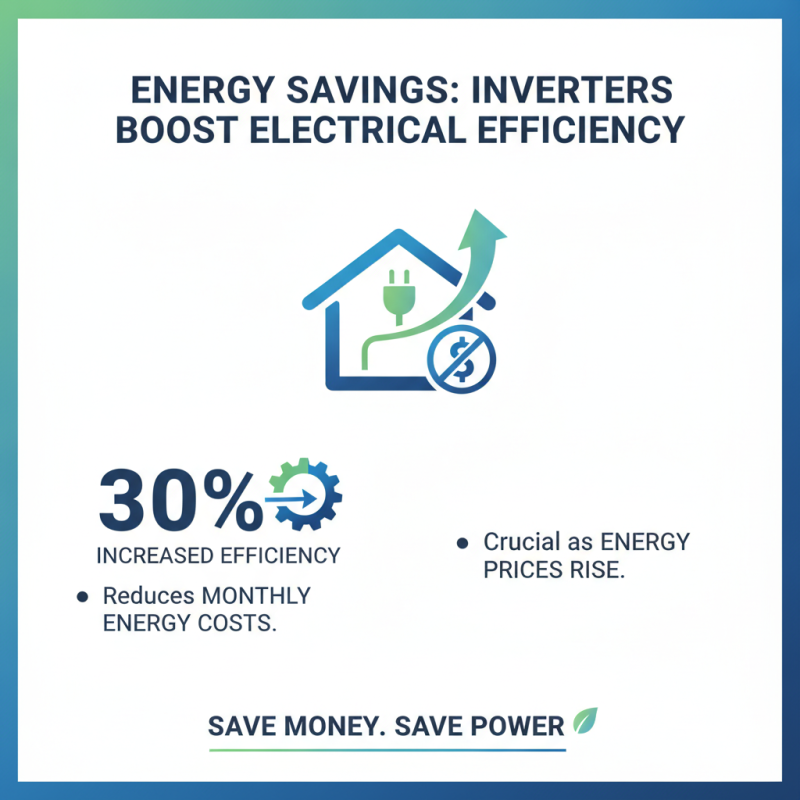
Using a house inverter can lead to substantial energy savings for homeowners. Studies show that inverters can improve electrical efficiency by up to 30%. This efficiency is crucial in reducing monthly energy costs. As energy prices continue to rise, the need for effective solutions becomes more pressing.
A house inverter operates by converting DC power to AC power, which is used by most household appliances. This conversion process minimizes energy loss during operation. According to the U.S. Department of Energy, poorly functioning devices waste up to 50% of their energy. In contrast, well-designed inverters ensure a steady power supply while enhancing overall energy efficiency. This can make a significant difference in your utility bill.
However, not all inverters perform equally. Some factors can impact their efficiency and long-term benefits. For example, improper installation and suboptimal placement can limit their effectiveness. Regular maintenance is also necessary to ensure optimal performance. Homeowners should be aware that while inverters are a valuable investment, they require diligence and ongoing assessment for the best results.
Environmentally Friendly Options: Reducing Carbon Footprint with Solar Inverters
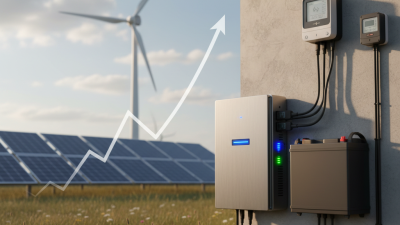
Solar inverters are transforming home energy use. They convert solar energy into usable electricity, reducing reliance on fossil fuels. A recent study from the International Energy Agency shows that solar power could provide over 25% of global electricity by 2030. This shift significantly cuts greenhouse gas emissions. Homes equipped with solar inverters can lower their carbon footprint dramatically.
With rising concerns about climate change, switching to solar inverters is a responsible choice. Calculations suggest that a typical residential solar system can save about three tons of CO2 emissions annually. This is equivalent to planting around 125 trees each year. Solar inverter technologies are improving, becoming more efficient and accessible to homeowners. However, achieving energy savings can sometimes come with installation hurdles and financial commitment.
Many individuals still hesitate to transition. Costs, technology understanding, and space constraints can create barriers. While solar panel technology has advanced, its installation may necessitate significant adjustments to home structures. Families must weigh their willingness to adapt against the long-term benefits. Engaging with local experts can illuminate paths to efficiency while navigating these challenges.
Versatile Applications: Supporting Home Appliances and Smart Devices
In modern homes, a house inverter acts as a reliable power source, especially during outages. These devices are crafted to support various home appliances and smart devices. According to the National Renewable Energy Laboratory, inverters can convert renewable energy into usable power efficiently. As more households adopt solar panels, the need for inverters grows.
Supporting appliances like refrigerators, lights, and air conditioners, inverters ensure comfort in homes. For instance, a study by the International Energy Agency noted that energy storage systems paired with inverters can enhance energy access for up to 1.1 billion people globally. This shows their versatility beyond just backup power, playing a key role in households amid energy fluctuations.
Many consider the efficiency of power use. However, some may overlook the initial cost of installation. While inverters promise savings, users must assess their energy needs. A poorly matched inverter can lead to inefficiencies. Monitoring energy consumption patterns is crucial. Homes with significant energy demands should reflect on their inverter choice. This could lead to long-term dissatisfaction if mismatched, illustrating the need for careful planning.
Conclusion
A house inverter offers numerous benefits that significantly enhance home energy management. One of the primary advantages is reliable power backup during outages, ensuring continuity of service and minimizing disruptions to daily life. Additionally, house inverters can improve electrical efficiency by as much as 30%, resulting in notable energy savings over time. Their environmentally friendly features, especially when paired with solar technology, contribute to a reduced carbon footprint, making them a sustainable energy solution.
Moreover, house inverters have versatile applications, providing support for various home appliances and smart devices. This adaptability, coupled with their cost-effectiveness, presents long-term financial benefits for homeowners. By investing in a house inverter, individuals not only secure a reliable power supply but also promote energy efficiency and sustainability in their homes.