Best Dimmer Switch Solutions for Your Home Lighting Needs?
When it comes to enhancing your home's lighting, finding the right dimmer switch is essential. Lighting expert Mike Johnson once said, "A well-chosen dimmer switch can transform the ambiance of any room." This highlights the importance of selecting the best dimmer switch for your specific needs.
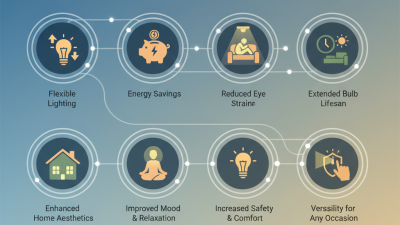
Dimmer switches offer more than just control over brightness. They can help save energy and extend the life of your light bulbs. However, not every dimmer switch works with every type of lighting. For example, LED lights require compatible dimmers to function properly. This is an area that many homeowners overlook, often leading to frustration and dimmer switch failures.
Choosing the right dimmer switch is not always straightforward. Many options exist, each with unique features and benefits. Researching and testing different switches can be time-consuming and potentially confusing. It's important to consider your home's wiring and the types of lights you use. By investing time and effort into this decision, you can create a more pleasant living environment.

Types of Dimmer Switches: A Comprehensive Overview
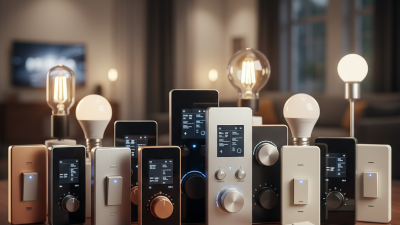
When it comes to dimming solutions, understanding the different types of dimmer switches is essential. There are primarily three categories: leading-edge, trailing-edge, and smart dimmers. Leading-edge dimmers are traditional and suitable for incandescent bulbs. They work well but may not be compatible with energy-efficient LEDs.
Trailing-edge dimmers provide a smoother dimming experience. They are better for LED and fluorescent lights. According to recent industry research, 25% of households are switching to trailing-edge solutions. These dimmers minimize flickering and reduce energy consumption, pushing for a more sustainable approach.
Smart dimmers are gaining popularity. They offer remote control and integration with home automation systems. A report shows that smart lighting controls can reduce energy usage by up to 20%. However, these systems can be complex. Users may encounter challenges during installation. Still, the long-term benefits often outweigh initial difficulties. Overall, selecting the right dimmer switch is crucial for energy efficiency and optimal lighting comfort in your home.
Best Dimmer Switch Solutions for Your Home Lighting Needs
| Type of Dimmer Switch |
Wattage Capacity |
Control Type |
Compatibility |
Price Range |
| Rotary Dimmer |
600W |
Rotary Control |
Incandescent, Halogen |
$15 - $30 |
| Slider Dimmer |
600W |
Slider Control |
Incandescent, LED |
$20 - $45 |
| Touch Dimmer |
500W |
Touch Control |
LED, Incandescent |
$25 - $50 |
| Smart Dimmer |
300W |
Smartphone or Voice Control |
LED, CFL, Incandescent |
$40 - $100 |
| 3-Way Dimmer |
600W |
3-Way Control |
Incandescent, LED |
$30 - $60 |
Key Features to Consider When Choosing a Dimmer Switch
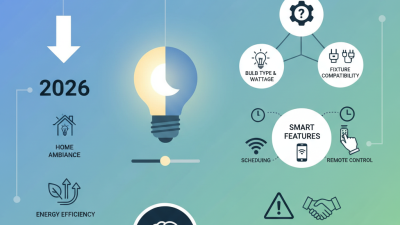
When choosing a dimmer switch, it's essential to consider several key features. Compatibility with your existing bulbs is crucial. Not all dimmers work with LED, incandescent, or fluorescent bulbs. Make sure the dimmer is rated for the type of bulbs in your home. This guarantees optimal performance and avoids flickering or buzzing noises.
Another important aspect is the control style. Dimmers come in various formats, such as toggle, slide, or smart options. A slider can provide smooth adjustments, while smart dimmers offer mobile app control. These features can enhance convenience, allowing you to set preferences from your phone. Pay attention to the interface; it should be intuitive and user-friendly.
Lastly, consider the load capacity of the dimmer. Verify that it can handle the total wattage of the bulbs you plan to use. Overloading a dimmer can lead to overheating or failure. Take the time to review product specifications and consult guides online. Choosing the right dimmer switch not only improves your lighting but can also enhance the overall ambiance of your space. However, improper choices may lead to frustration. It's crucial to reflect on your needs and seek reliable information.
Best Dimmer Switch Solutions for Your Home Lighting Needs
The chart above displays user ratings for different key features to consider when choosing a dimmer switch for home lighting needs. The features evaluated are Wattage Capacity, Dimming Range, Compatibility, Installation Ease, and Price.
Installation Guide for Various Types of Dimmer Switches
Installing dimmer switches can transform your home lighting. Understanding how they work is crucial. There are various types: traditional toggle, rotary, and smart dimmers. Each type has its installation nuances. Traditional switches need a simple connection to the home's wiring. A basic toolset is usually sufficient.
For rotary dimmers, ensure the mounting box is appropriate. Tighten the screws well to avoid any future issues. Smart dimmers may require Wi-Fi connectivity. This step might confuse DIY enthusiasts. It’s essential to read the manual carefully. Some find it challenging to link smart dimmers to home networks.
Testing connections is often overlooked. A quick test before closing the wall plate can save time. Error can happen in wiring, and troubleshooting is necessary. It might lead to flickering lights or no response at all. If you feel uncertain, consulting a professional electrician can bring peace of mind. Adjusting to dimmer switches takes practice, but the result is rewarding.
Energy Efficiency and Cost Savings with Dimmer Switches
Dimmer switches offer a smart solution for enhancing energy efficiency in your home. By adjusting the brightness of your lights, they enable you to consume less energy. This translates into lower electricity bills. In fact, studies show that dimmers can save up to 20% on energy costs when used wisely. When you lower the brightness, you extend the lifespan of your bulbs, too. This is a win-win for both your wallet and the environment.
Tip: Consider using dimmer switches in frequently used areas, like living rooms and bedrooms. These spaces benefit greatly from adjustable lighting. You can create a relaxing ambiance for movie nights or brighten up a work area when needed. Keep in mind that not all light fixtures work with dimmers. Be sure to check compatibility before installation.
Energy efficiency isn't just about saving money. It's also about making mindful choices. Sometimes, it’s tempting to have bright lights on all day. Reflect on when you really need strong lighting. Adjusting your light level can improve comfort and concentration, particularly during evening hours. This small change can make a noticeable impact on your everyday life as well.
Troubleshooting Common Issues with Dimmer Switches
Dimmer switches can enhance your home’s ambiance. However, they can sometimes lead to issues. According to the Lighting Research Center, about 30% of homeowners experience flickering or buzzing sounds with dimmer switches. This can occur due to incompatible light bulbs or malfunctioning dimmers. Always check specifications before purchasing.
A common problem is dimmer switches not functioning properly with LED bulbs. In fact, a study indicated that nearly 25% of dimmable LED bulbs are incompatible with standard dimmers. When faced with this issue, replacing the dimmer with a compatible version is crucial. Look for options that specifically list LED compatibility.
Over time, dimmer switches may also wear out. If a dimmer feels hot to the touch or shows inconsistent performance, it may need replacement. Regular inspection can prevent larger electrical issues. Consider having a professional inspect your setup if problems persist. Understanding these common issues can help ensure your lighting works seamlessly.