Top 10 Photovoltaic Inverter Brands for Global Buyers?
In recent years, the demand for renewable energy sources has surged globally. As part of this trend, Photovoltaic Inverters have become essential components in solar energy systems. These devices convert solar energy into usable electricity. They ensure efficiency and reliability, making them crucial for both residential and commercial applications.
Choosing the right brand can be daunting for buyers. There are many options, each with unique features, benefits, and potential drawbacks. Some brands excel in technology, while others focus on cost-effectiveness. Understanding these differences is vital for investors and consumers.
This article will explore the top 10 Photovoltaic Inverter brands that stand out in 2023. We will provide insights on their market position, reliability, and technological advancements. By understanding these brands, buyers can make informed decisions that align with their renewable energy goals. The right choice can lead to greater energy efficiency and significant cost savings in the long run.

Overview of Photovoltaic Inverters and Their Importance
Photovoltaic inverters play a critical role in solar energy systems. They convert direct current (DC) generated by solar panels into alternating current (AC), making it usable for homes and businesses. Without inverters, harnessing solar energy would be inefficient. The efficiency of these devices directly impacts the overall energy output of the solar system.
Different types of inverters exist, including string inverters and microinverters. Each type has unique benefits and drawbacks. String inverters are cost-effective and easy to install. However, shading on one panel can reduce performance for the entire system. Microinverters, on the other hand, enhance energy yield by optimizing each panel separately. This adaptability often leads to higher overall efficiency.
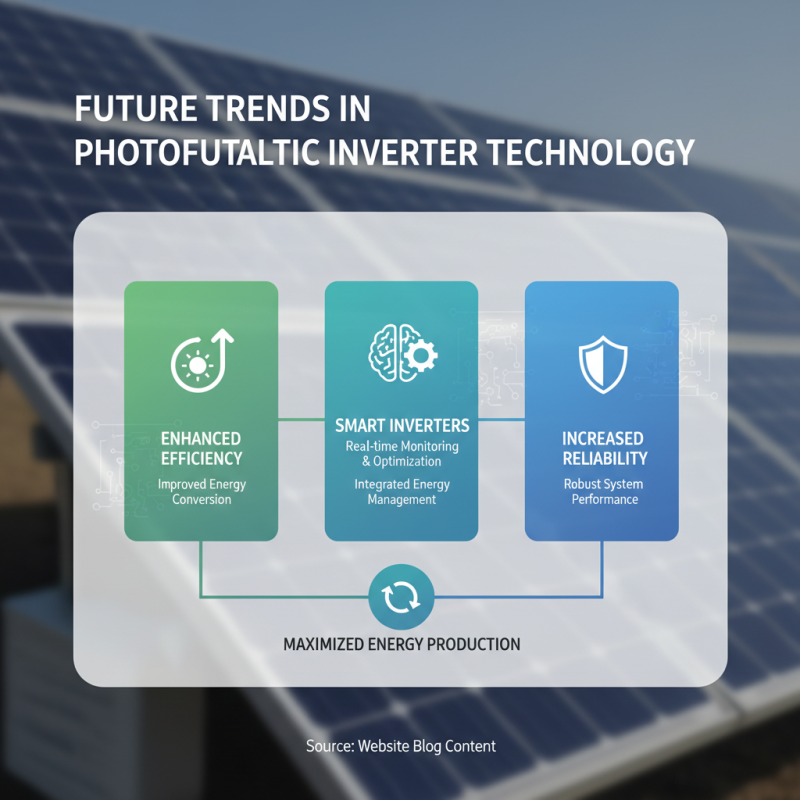
Understanding these differences is vital for informed decision-making. Buyers should consider system requirements, potential shading issues, and budget constraints. Educating oneself helps in making smart investments. Furthermore, keeping abreast of advancements in inverter technology can lead to better choices. It's important to reflect on the long-term implications of your selections. Are you prioritizing immediate savings or future performance? Such considerations are essential for maximizing your solar investment.
Top 10 Photovoltaic Inverter Brands for Global Buyers
| Brand |
Country of Origin |
Type of Inverters |
Power Range (kW) |
Efficiency (%) |
| SolarTech |
Germany |
String Inverter |
1 - 250 |
98.5 |
| EcoPower |
USA |
Micro Inverter |
0.25 - 5 |
96.0 |
| Sustainable Energy |
China |
String Inverter |
3 - 100 |
97.0 |
| VoltageMax |
Japan |
Central Inverter |
50 - 1000 |
99.0 |
| Future Energy |
Germany |
Hybrid Inverter |
3 - 10 |
97.5 |
| PowerTech |
USA |
String Inverter |
1 - 60 |
98.2 |
| GreenVolt |
Australia |
Micro Inverter |
0.5 - 4 |
97.3 |
| Pioneer Solar |
China |
String Inverter |
5 - 100 |
96.8 |
| Sunshine Inverters |
India |
Central Inverter |
10 - 500 |
98.0 |
Criteria for Evaluating Photovoltaic Inverter Brands
When evaluating photovoltaic inverter brands, several key criteria should guide the decision-making process. Reliability stands at the forefront. A dependable inverter minimizes downtime and maximizes energy production. Performance specifications, such as efficiency ratings, directly impact energy output. Buyers should prioritize inverters known for high conversion efficiencies. This ensures that more sunlight turns into usable electricity.
Cost is another critical factor. While cheaper options may seem appealing, consider long-term savings. Investing in quality can lead to lower maintenance and higher returns. Warranty length also reflects a brand’s confidence in its products. Longer warranties often indicate better durability and support.
Customer support and service reputation are vital as well. A brand that offers responsive support can save owners from prolonged issues. Reviews and testimonials can provide insights into past customer experiences. Potential buyers should also look for certifications that validate performance and safety. Understanding these elements creates a stronger foundation for making an informed choice in the photovoltaic inverter market.
Top 10 Photovoltaic Inverter Brands for Global Buyers
As the world shifts towards sustainable energy, photovoltaic (PV) inverters play a pivotal role. These devices convert solar energy into usable electricity, making them essential for solar energy systems. For global buyers, selecting the right brand can be overwhelming. The variety of options highlights the need for thorough research and understanding.
When exploring PV inverter brands, consider reliability and efficiency. Many brands offer advanced features, such as real-time monitoring and smart connectivity. It's crucial to analyze product specifications and user reviews. Buyers should assess after-sales support and warranty options, which can indicate a brand's confidence in its product.
While many companies claim to lead the industry, the true test lies in field performance. Some models may not deliver consistent results. Market feedback helps identify which brands genuinely meet users' needs. Consider your specific project requirements, such as size and location. This ensures you choose an inverter that aligns with your energy goals. Remember, the right inverter can greatly enhance your solar investment.
Comparative Analysis of Features and Performance
When it comes to selecting a photovoltaic inverter, various factors determine efficiency and reliability. Buyers often look for features such as maximum power point tracking, conversion efficiency, and monitoring capabilities. These features can significantly impact energy yield and system performance. Understanding how each brand implements these features is essential.
Performance varies widely across brands. Some inverters excel in high-temperature environments, while others may struggle. Users should consider their local climate when making a choice. Load handling is another critical area where brands differ. Inverters that can manage heavy loads consistently tend to be more reliable. However, some brands may offer impressive specs on paper but fail to perform in real-world scenarios.
A significant consideration is the warranty and service. Brands with longer warranties indicate confidence in their performance. Yet, it’s important to assess service responsiveness in your region. Long waiting periods for repairs can disrupt energy generation. Thus, a balance between product specifications and practical service support is crucial. Evaluating each brand's strengths and weaknesses can guide buyers in making an informed decision.
Top 10 Photovoltaic Inverter Brands for Global Buyers