Top 10 Smart Light Switches to Upgrade Your Home Lighting?
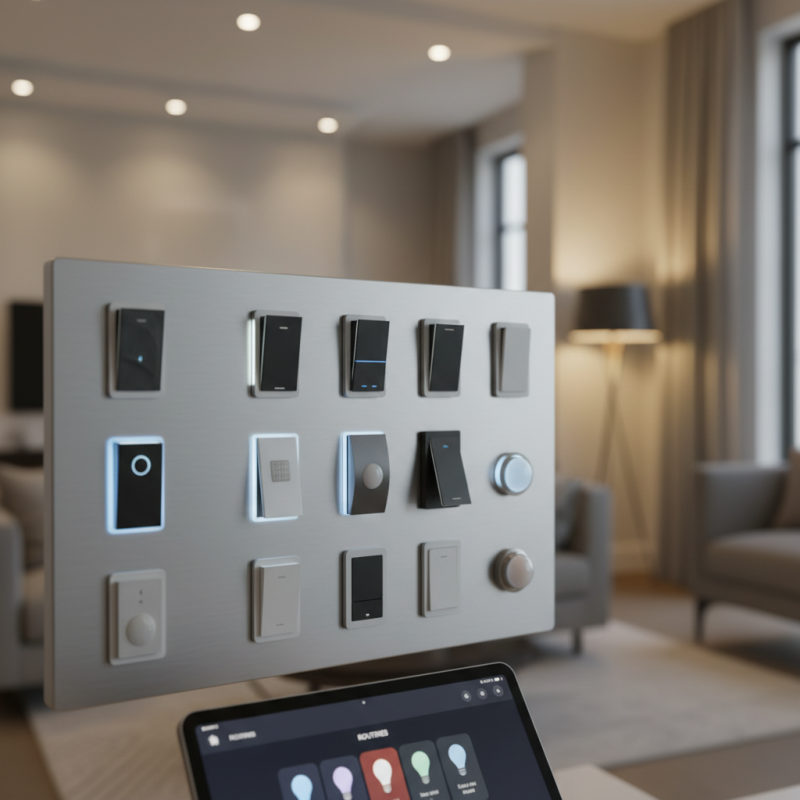
Smart light switches provide an innovative way to enhance home lighting. These devices not only allow you to control lights remotely but also offer energy-saving options. They come with smart features that improve convenience and security.
Imagine arriving home and having your lights automatically turn on. Smart light switches can create this seamless experience. They can be programmed to sync with your daily routines. However, some users find the installation process challenging. Proper research and preparation are key to overcoming this hurdle.
Choosing the right smart light switch can be overwhelming. With numerous brands and features, finding a trustworthy option is essential. This guide highlights the top 10 smart light switches available today. By focusing on reliability and expertise, you can make an informed decision for your home's lighting upgrade.
Understanding Smart Light Switches and Their Benefits
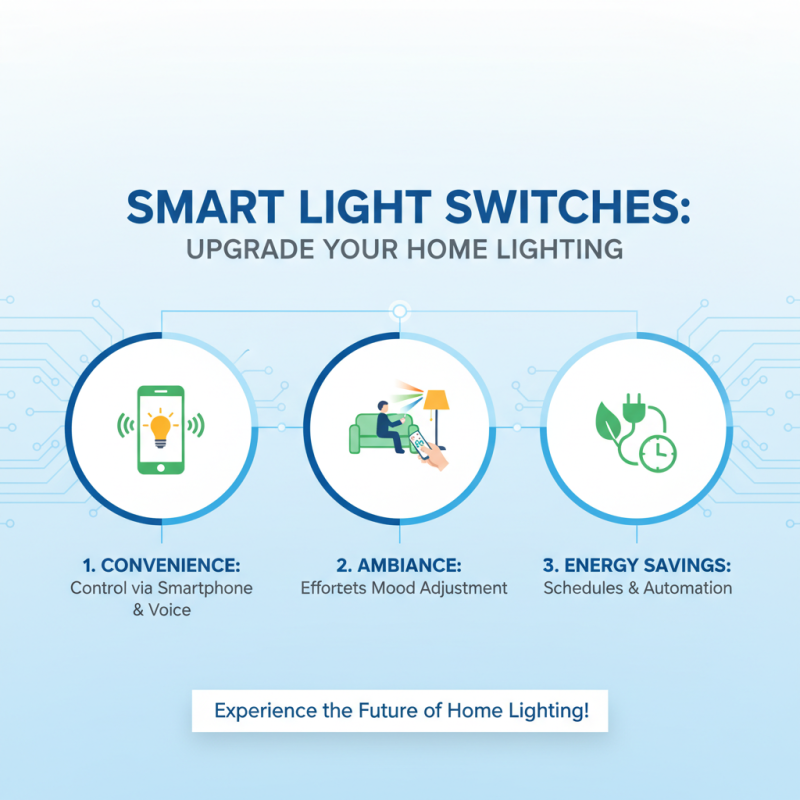
Smart light switches are a game changer for modern homes. They offer a way to control lighting through your smartphone or voice commands. Imagine adjusting the mood of your living room without getting up from the couch. This convenience is just one of many benefits. Smart switches can enhance your home's energy efficiency. They allow you to set schedules, turning lights off when they're not needed.
Installation can be a little tricky. Many homeowners are unsure about wiring these devices. It often requires basic electrical knowledge. Sometimes, even a professional is needed for safety. This can make the transition daunting. However, the rewards can outweigh the challenges. Once installed, you can experience unparalleled control over your home's lighting.
Additionally, smart switches provide valuable data. You can monitor energy usage and make informed decisions. This adds an element of sustainability to your home. Many users find the initial setup frustrating. Yet, with practice, it becomes second nature. Embracing these technologies means adapting to a new way of living.
Key Features to Look for in Smart Light Switches
When choosing smart light switches, several key features can significantly enhance your home lighting experience. One important aspect is compatibility. Ensure the switch works with your existing smart home ecosystem. According to a report by Statista, over 67% of smart home users prefer devices that integrate seamlessly with platforms like Amazon Alexa and Google Assistant.
Energy efficiency is another critical factor. Smart switches can reduce energy consumption by allowing you to set schedules. A study by the Department of Energy revealed that smart lighting can save homeowners up to 30% on their energy bills. However, the upfront cost of these switches can be a hurdle. Reflecting on long-term savings is essential when making your decision.
User-friendly interfaces matter too. A simple app or manual control can enhance the user experience. Some switches offer touch control, while others include voice commands. Complexity might discourage some users, so intuitive designs are a must. Reports by User Experience Magazine show that ease of use directly impacts customer satisfaction and retention. Prioritizing these features will lead to a better choice for your smart lighting needs.
Top 10 Smart Light Switches to Upgrade Your Home Lighting
| Model |
Key Features |
Compatibility |
Price Range |
| Model A |
Voice Control, App Control, Dimming |
Amazon Alexa, Google Assistant |
$30 - $50 |
| Model B |
Wi-Fi Enabled, Timer Function |
Apple HomeKit, IFTTT |
$40 - $60 |
| Model C |
Remote Access, Energy Monitoring |
Zigbee, Amazon Alexa |
$25 - $45 |
| Model D |
Geofencing, Night Light |
Google Assistant, SmartThings |
$35 - $55 |
| Model E |
Scheduler, Voice Activation |
Apple HomeKit, IFTTT |
$50 - $70 |
| Model F |
Energy Efficient, Compact Design |
Amazon Alexa, Google Assistant |
$20 - $40 |
| Model G |
Multi-Person Control, Scene Setting |
Z-Wave, SmartThings |
$45 - $65 |
| Model H |
Scene Modes, Voice Commands |
Apple HomeKit, Zigbee |
$30 - $50 |
| Model I |
Customizable Colors, App Integration |
Amazon Alexa, Google Assistant |
$60 - $80 |
| Model J |
Wireless Control, Energy Saving |
Apple HomeKit, SmartThings |
$25 - $45 |
Top Brands and Models for Smart Light Switches in 2023
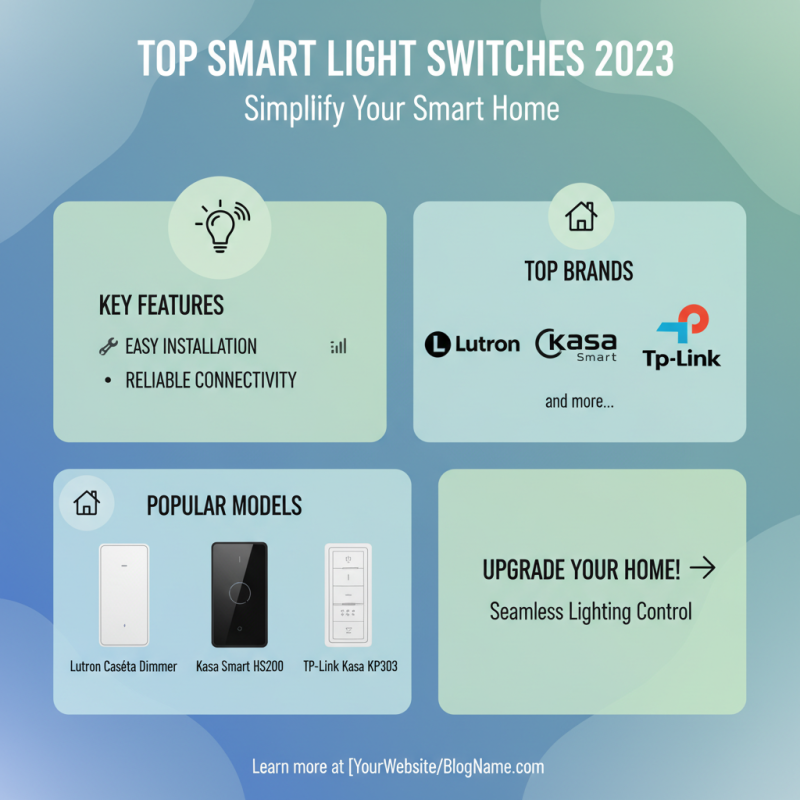
Smart light switches are changing how we interact with our home lighting. With various brands available, picking the right one can feel overwhelming. It's important to understand the key features to look for in smart light switches. Ease of installation is crucial. Many switches require no complicated wiring, making them accessible for anyone. Reliable connectivity is also essential. A switch that works seamlessly with your wifi network enhances convenience.
In 2023, several brands are leading the way in technology and user experience. Some models allow voice control integration, adding another layer of comfort. Consider options that support various smart home ecosystems. These can interact with your existing devices, providing a cohesive experience. Additionally, look for customizable settings. Timing and brightness adjustments can personalize your living space effectively.
Reflecting on your needs is vital. Not every smart switch may suit your lifestyle. For instance, in a busy household, a switch with intuitive controls can prevent frustration. However, some options may have a steep learning curve. Weigh the pros and cons of each brand and model before committing. Quality and user reviews can inform your choice, ensuring a reliable upgrade to your home lighting system.
Installation and Setup Process for Smart Light Switches
Installing smart light switches can significantly enhance your home lighting experience. Start by turning off the power at the circuit breaker. Safety is crucial. Remove the existing switch carefully, noting the wiring connections. Most smart switches need a neutral wire. If your house lacks this wire, you may face installation challenges.
Always double-check the wiring before securing the switches. Label wires to avoid mix-ups. Use wire connectors to ensure a secure fit. It's easy to connect wires incorrectly, which can cause malfunctions. Consider taking photos of the original setup for reference.
Testing the switch after installation is essential. Ensure it connects properly with your smart home system. If something doesn’t work, revisit your wiring. Don't hesitate to consult the instruction manual. Sometimes, manufacturers have helpful troubleshooting tips.
For a smoother setup, utilize online forums. Often, previous users share valuable insights. Learning from others’ experiences can save time and effort. Remember, patience is key. Avoid rushing through the process; take your time to do it right. Each step contributes to the overall efficiency of your smart home lighting.
Comparing Smart Light Switches: Pricing and Value Analysis
When considering smart light switches, pricing and value become crucial factors. Smart switches vary widely in price, typically ranging from $15 to $100. Higher-priced models often offer more features, such as dimming, scheduling, and compatibility with smart home systems. However, not all expensive options guarantee better performance or ease of use.
Installation processes can also differ significantly. Some switches may require neutral wires, complicating installation. Others are designed for DIY enthusiasts, making them quicker to set up. The potential need for professional installation can impact the overall value. Evaluating both the initial cost and long-term benefits is essential.
User reviews often reveal mixed experiences. A switch may promise seamless integration but fail to live up to expectations. Some users report connectivity issues, while others appreciate the energy savings achieved over time. Understanding the balance between cost and functionality requires careful research. A thorough analysis of user experiences might lead to valuable insights when making a purchase.