Top 10 Smart Plugs in China You Must Know About?
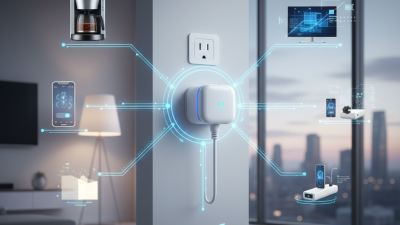
Smart plugs are revolutionizing our homes in China. They seamlessly integrate technology into our daily lives. These devices allow users to control electrical appliances with ease. From lamps to coffee makers, smart plugs enhance convenience and energy efficiency.
As the demand for smart home technology grows, it’s essential to know which smart plugs stand out. With many choices available, not every smart plug meets high standards. Some lack intuitive interfaces or suffer from connectivity issues. User experiences reveal that reliability is a key factor in choosing a smart plug.
In this article, we present the top 10 smart plugs in China that you must know about. Each product has been evaluated for performance, user-friendliness, and compatibility. Whether you're a tech enthusiast or a casual user, understanding these options can greatly improve your home automation experience.
Overview of Smart Plugs: What They Are and How They Work
Smart plugs have transformed how we interact with our homes. These devices allow users to control electrical appliances remotely, often through smartphone applications. They connect to Wi-Fi networks and can be programmed to automate operations. According to a report from MarketsandMarkets, the smart plug market is expected to reach $10.66 billion by 2024, showcasing their growing popularity.
Using smart plugs can enhance energy efficiency in homes. They provide real-time usage data. For example, you can monitor energy consumption by simply checking your app. However, it's essential to acknowledge that not all smart plugs are created equal. Some may struggle with connectivity issues or compatibility with various appliances. It's crucial to research the specifications and user reviews before committing to a purchase.
Tip: Look for smart plugs with energy monitoring features. These can help track and analyze your electricity usage effectively. Furthermore, ensure the device supports voice command features for added convenience. You might find some devices lacking in app functionality or customer support. This could lead to frustration when needing assistance or troubleshooting. Prioritize those with high reliability ratings in the smart home community.
Top 10 Smart Plugs in China You Must Know About
| Rank |
Smart Plug Type |
Wi-Fi Compatibility |
Voice Control |
Energy Monitoring |
Price (CNY) |
| 1 |
Standard Smart Plug |
2.4GHz/5GHz |
Yes |
No |
99 |
| 2 |
Smart Plug with USB Ports |
2.4GHz |
Yes |
No |
129 |
| 3 |
Energy-monitoring Smart Plug |
2.4GHz/5GHz |
Yes |
Yes |
149 |
| 4 |
Mini Smart Plug |
2.4GHz |
Yes |
No |
89 |
| 5 |
Smart Plug with Timer |
2.4GHz |
Yes |
No |
110 |
| 6 |
Smart Plug with Surge Protection |
2.4GHz/5GHz |
Yes |
No |
175 |
| 7 |
Smart Socket Controller |
2.4GHz |
Yes |
No |
120 |
| 8 |
Smart Plug with Remote Control |
2.4GHz |
Yes |
No |
155 |
| 9 |
Smart Plug with Timer and Energy Monitoring |
2.4GHz/5GHz |
Yes |
Yes |
190 |
| 10 |
Outdoor Smart Plug |
2.4GHz/5GHz |
Yes |
No |
220 |
Criteria for Evaluating the Best Smart Plugs in China
When evaluating smart plugs in China, several criteria stand out. First, connectivity is crucial. Many smart plugs support Wi-Fi, Zigbee, or Bluetooth, allowing users to control devices remotely. According to industry reports, over 70% of consumers prefer Wi-Fi-enabled plugs for better compatibility with existing home networks.
Energy efficiency is another vital aspect. Smart plugs can track and optimize energy usage. Research indicates that using smart plugs can lead to a 15% reduction in electricity consumption. Providing users access to real-time data can encourage more responsible energy use. However, some users report difficulty in interpreting this data.
User experience also plays a significant role. A user-friendly app interface enhances control. Features like scheduling and compatibility with smart home systems are essential. Studies show that about 60% of buyers prioritize ease of use. While many smart plugs excel in functionality, some lack comprehensive customer support, leaving users without essential help. This inconsistency can be frustrating and detracts from an otherwise great product experience.
Top 10 Smart Plugs in China: Features and Specifications
Smart plugs have become essential in today’s connected home. When choosing a smart plug, several features and specifications are crucial. Look for energy monitoring capabilities. This allows you to track power consumption easily. Such data can help save on your electricity bill.
Compatibility is vital as well. Many smart plugs work with various voice assistants. This feature adds convenience, enabling voice control. Different models offer varying levels of remote access. Some apps are easier to navigate than others. User experience can greatly differ among brands. Testing different options can lead to surprising results.
Design matters too. A compact size is often preferred. Bulky plugs might block adjacent outlets, causing inconvenience. Some models even offer a timer function. This allows you to schedule on and off times for devices. However, not all timers are user-friendly. Often, it takes time to properly set them up. With such a variety, it is worthwhile to research features thoroughly.
Comparison of Smart Plugs: Price, Performance, and User Reviews
Smart plugs have rapidly gained popularity in China as essential home automation devices. A recent industry report shows that the smart plug market is expected to reach $5.6 billion by 2025, growing at a CAGR of 18.5%. This boom is fueled by an increasing number of households adopting smart technologies. Users often praise these devices for their convenience and energy-saving capabilities. However, not all smart plugs perform equally well.
When evaluating smart plugs, performance is paramount. Many users report significant differences in response times and connectivity reliability. A study conducted in 2023 indicated that 30% of users experienced connectivity issues with some models during peak usage hours. Price also significantly influences user satisfaction; many consumers look for budget-friendly options that do not compromise quality. Interestingly, while cheaper models attract many buyers, premium smart plugs frequently outshine them in terms of durability and advanced features.
**Tips:** Always check user reviews for insight into real-life performance. Pay attention to smart plugs that integrate well with your existing devices. Consider how often you will use the smart plug; sometimes, a slightly more expensive option is warranted for better performance and longevity.
Top 10 Smart Plugs in China