Top 5 Tips for Choosing the Best Photovoltaic Inverter?
When considering a solar power system, the choice of a photovoltaic inverter is crucial. Renowned industry expert Dr. Emily Carter emphasizes, “The right inverter can maximize your solar efficiency.” This highlights the importance of making an informed choice. A photovoltaic inverter is responsible for converting solar energy into usable electricity. Choosing the best one can significantly impact your system's performance and longevity.
Many factors must be weighed when selecting a photovoltaic inverter. Factors include efficiency ratings, warranty options, and compatibility with your solar panels. For instance, understanding the difference between string inverters and microinverters can influence your decision. One common oversight is neglecting long-term maintenance needs. Often, buyers focus solely on initial costs, ignoring potential future expenses.
Navigating this complex landscape requires careful consideration. Researching brands and user reviews helps in making a balanced decision. However, remember that not every product works for every installation. Take the time to reflect on your specific energy needs. Ultimately, the reliability of your photovoltaic inverter can determine the success of your solar investment.
Understanding the Role of Photovoltaic Inverters in Solar Energy Systems
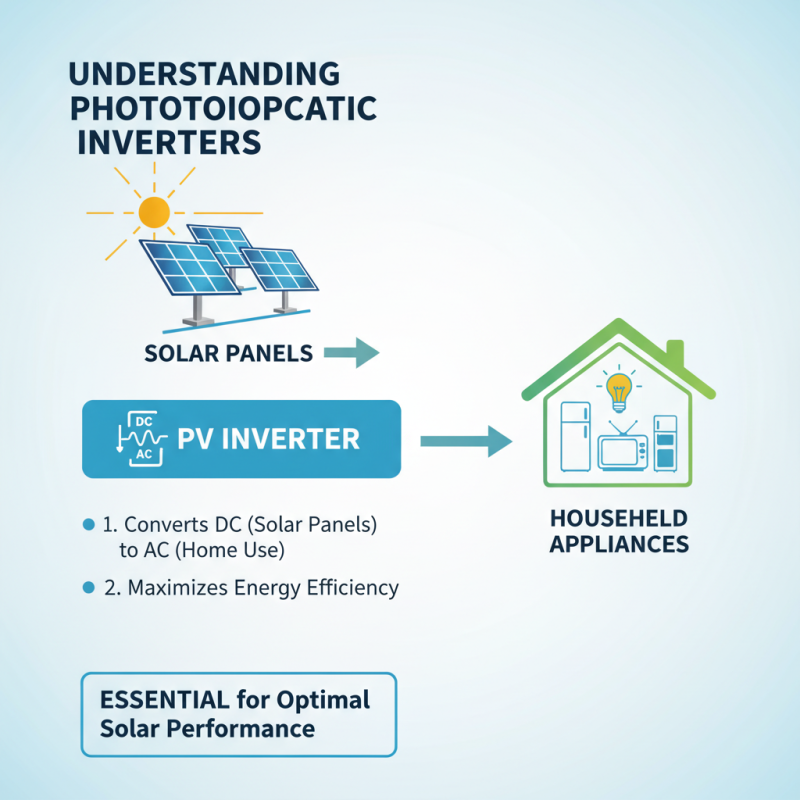
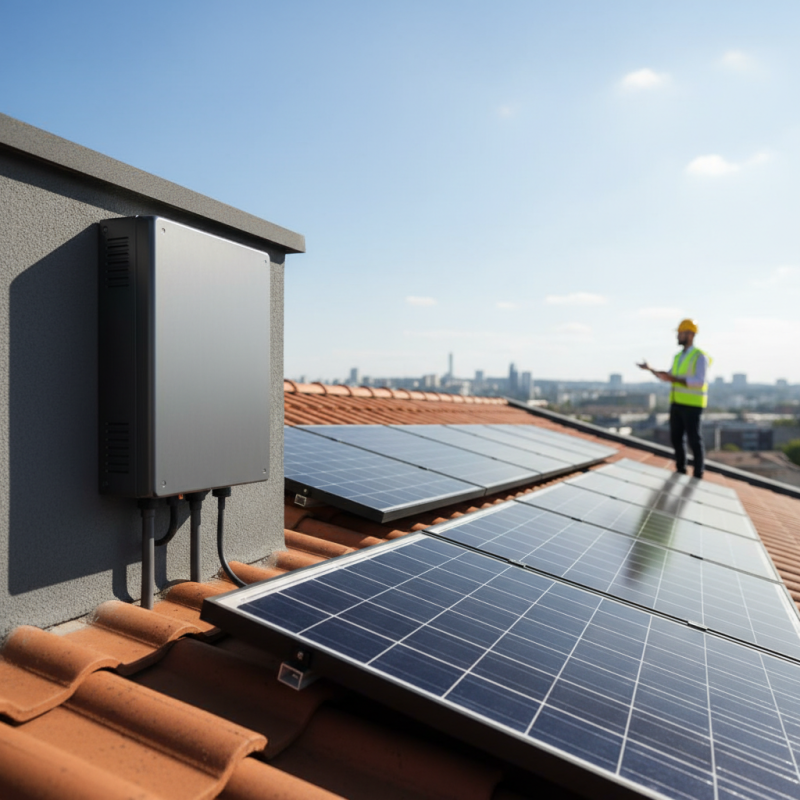
Photovoltaic inverters play a crucial role in solar energy systems. They convert the direct current (DC) generated by solar panels into alternating current (AC), which is used by household appliances. This conversion process is essential for maximizing energy efficiency. Without the right inverter, the entire solar setup could underperform.
When selecting an inverter, consider the size of your solar array. The inverter must match your system’s output capacity. It is also advisable to look for inverters that offer monitoring features. These can help you track energy production and identify potential issues. Regular checks are vital for long-term reliability. Inverters might fail or degrade over time, impacting performance.
The type of inverter also matters. There are string inverters, microinverters, and power optimizers, each with its pros and cons. String inverters are cost-effective but can struggle with shading. Microinverters maximize output from individual panels but can be pricier. Balancing these options requires careful thought. Researching and weighing these characteristics can lead to a more informed choice. Understanding their role deeply can help you avoid common pitfalls.
Evaluating Efficiency Ratings: Importance of the European Efficiency Standard
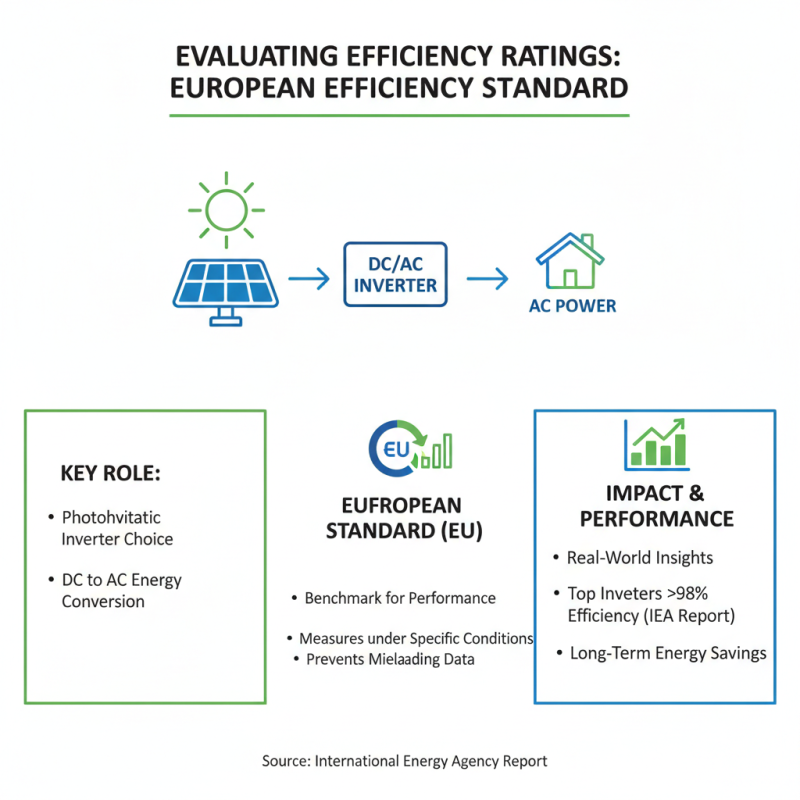
When choosing a photovoltaic inverter, efficiency ratings play a crucial role. The European Efficiency Standard (EU) is a benchmark in this context. This standard measures how effectively an inverter converts DC energy into AC energy only during specific conditions. It gives potential buyers insights into performance without being misled by favorable testing environments. According to a report by the International Energy Agency, the best-performing inverters can achieve efficiency ratings above 98%.
However, not all inverters meet these high standards. Some may provide inflated efficiency claims based on ideal conditions that don’t reflect real-world use. It's essential to look for metrics like the Weighted Efficiency and European Efficiency ratings. These metrics depict performance across varying loads and temperatures. It ensures that you select an inverter that truly meets your energy needs. Even among top products, discrepancies often exist, leading to unexpected energy losses.
Investing time in evaluating these efficiency ratings can result in long-term savings. A system using a low-efficiency inverter can lead to increased electricity costs. Studies show that a modest increase in an inverter's efficiency can yield significant energy gains over its lifespan, potentially translating to thousands of dollars in savings. Thus, understanding these nuances can help make a more informed decision.
Assessing System Compatibility: Matching Inverters with Solar Panel Specs
When considering a photovoltaic inverter, assessing system compatibility is crucial. Solar panels have specific power ratings and operating voltages. Choosing an inverter that matches these specs ensures optimal performance. According to a report by the Solar Energy Industries Association, mismatched systems can reduce efficiency by 20% or more. Often, less experienced buyers overlook these details.
It’s not just about capacity. The inverter's efficiency rating also matters. Recent studies indicate that high-efficiency inverters can reach over 98% performance under test conditions. However, performance can drop significantly with temperature fluctuations. Some inverters lose more than 10% efficiency in high heat, which is common in many sunny regions. This risk of underperformance is a key consideration.
Installation environment can impact compatibility. Different solar panel types, like monocrystalline and polycrystalline, interact differently with inverters. Ideal conditions are often not achievable. For instance, a system designed for optimal efficiency might struggle in shaded areas or with dust accumulation. Buyers need to reflect on how these factors affect their choices, ensuring full understanding of what their systems need to thrive.
Prioritizing Reliability: Analyzing Manufacturer Warranty and Lifespan Data
When selecting a photovoltaic inverter, understanding the manufacturer's warranty and lifespan data is crucial. A solid warranty can reflect the company's confidence in its product. Typically, warranties can range from five to fifteen years. Look for inverters with comprehensive coverage. A longer warranty generally indicates enhanced durability and reliability. However, some manufacturers may use shorter warranties as a strategy to minimize costs. This can raise concerns about the longevity of their products.
Investigating lifespan data offers insights into performance over time. Ideally, a good inverter should last at least twenty years. In reality, some may fail well before this milestone. Understanding failure rates among different models is essential. Collecting real-world experiences from users can shed light on potential issues. While it can be tempting to choose the cheapest option, evaluating data on reliability and warranty will provide better long-term value. A product may save money upfront but could lead to higher costs later due to frequent replacements. It's this balance of price, performance, and peace of mind that ultimately matters.
Comparison of Photovoltaic Inverter Lifespan and Warranty Period
Exploring Advanced Features: Monitoring, Grid-tie, and Battery Storage Options
When selecting a photovoltaic inverter, advanced features play a critical role. One key feature is
monitoring capabilities. Real-time data allows users to track energy production effectively. With clearer insights into system performance,
users can identify issues early. This reduces downtime and enhances overall efficiency. Some inverters offer apps that provide user-friendly interfaces. These interfaces simplify monitoring for everyone,
from beginners to experts.
Another consideration is grid-tie functionality. Inverters with this feature connect seamlessly to the electric grid. They allow for energy export when
production exceeds consumption. This can lead to financial incentives or savings on energy bills. However, not all grid-tie systems operate effectively in every region.
It's essential to research local energy regulations to ensure compatibility.
Battery storage options also deserve attention. These options enable users to store excess energy for later use.
This feature provides greater independence from the grid. However, battery systems can be costly and require regular maintenance. Evaluating the long-term benefits versus initial costs is vital.
The right choice should balance immediate needs with future goals.